
When Should You Rethink the Curing Route for an Anti-Fog Coating?
Recurring anti-fog defects, unstable yield or capacity constraints? Review thermal and UV curing against part geometry, total manufacturing cost and production sequence.


Recurring anti-fog defects, unstable yield or capacity constraints? Review thermal and UV curing against part geometry, total manufacturing cost and production sequence.

What does a steam test prove, and how do condensation, rinsing and wiping differ? Learn how to define anti-fog durability for a real application.

Why can anti-fog performance change after oven drying or thermoforming? See how PlsTect reviews the pattern and defines the next processing route.

Anti-fog polycarbonate needs a process-specific review before oven drying and thermoforming. Assess the substrate, coating system, protective film, geometry and finished-part performance together.
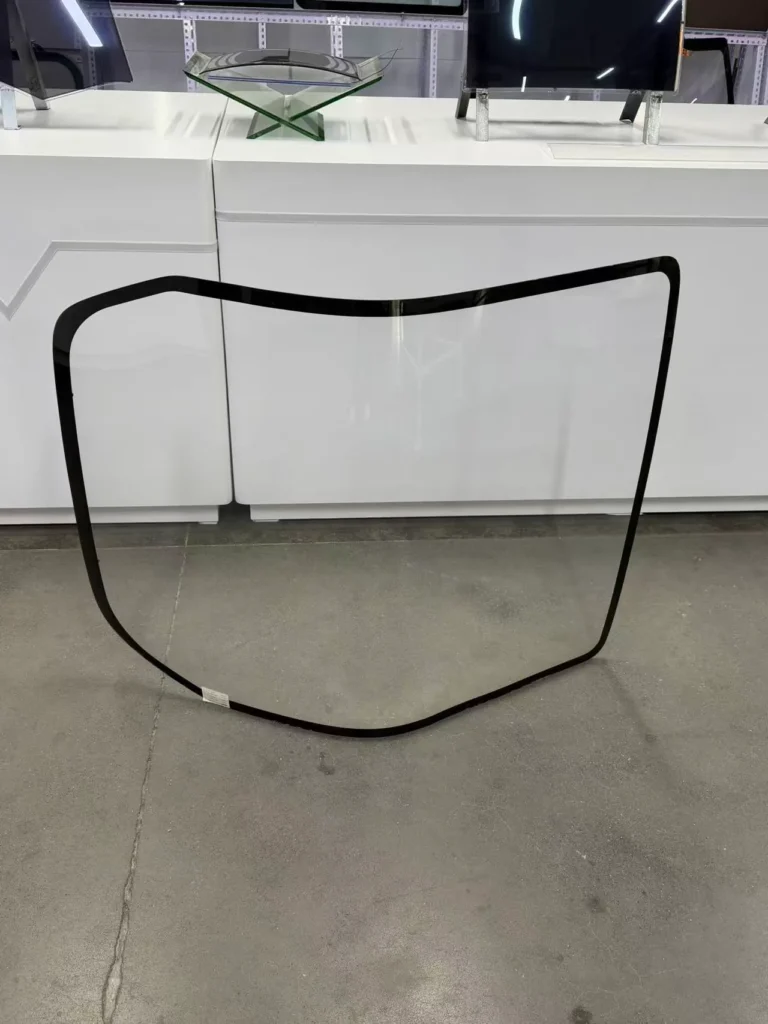
Home/Technical Articles/Windshield Coating & Validation Technical Articles · Windshield Coating & Validation Pre-Coated vs. Post-Form Hard Coating: Which Route Fits Your Windshield Project? A hard-coated windshield can start as a coated sheet that is subsequently formed, or as a shaped part that receives its coating afterwards. PlsTect supports both routes. Choose by the finished shape, required surface, delivery scope and manufacturing plan, then confirm the proposed route on representative parts. In this guide Understand the two routesReview the shape and processing conditionsDefine coating coverage and interfacesCompare delivery scope and total costApprove representative finished partsPrepare the first review brief In this
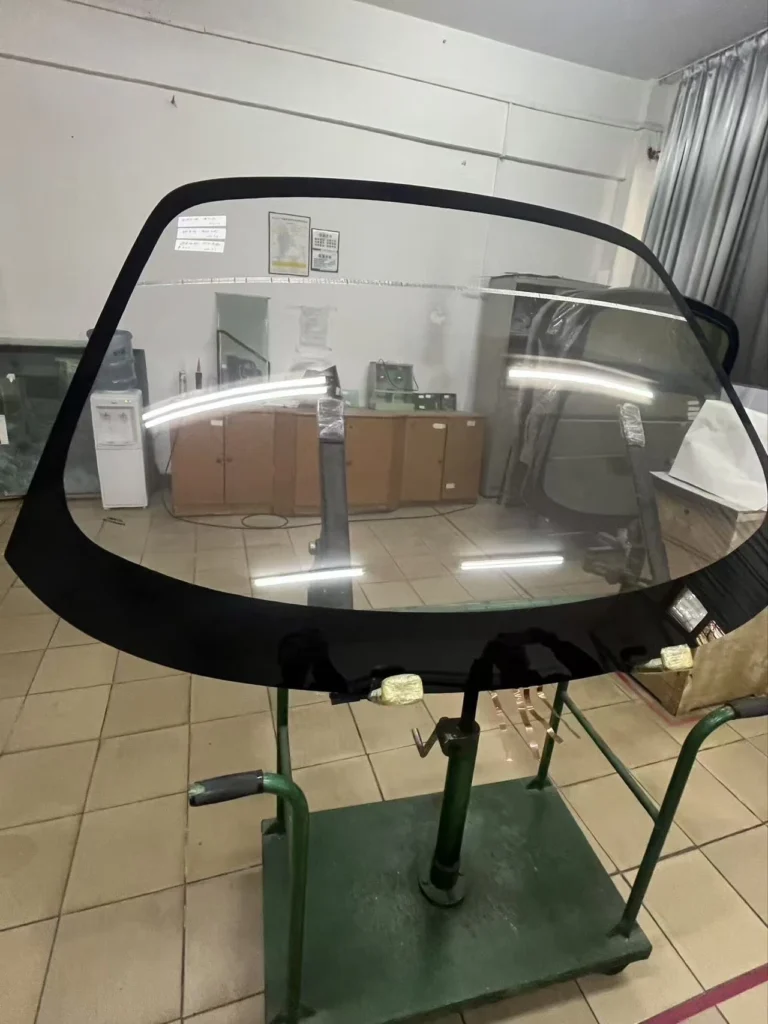
Technical Articles · Windshield Coating & Validation A formed windshield needs to be checked in the condition the customer will receive. Shape, local thickness, viewing quality, coating condition and assembly fit each provide part of the evidence for sample approval. Start by defining the sample, the critical areas and the requirements it must meet. This guide focuses on formed plastic windshields with functional coatings. Bring the drawing or reference, intended application and any required specification into the review. PlsTect can help connect the coating and forming route with the checks needed for the proposed component. In this guide Define the
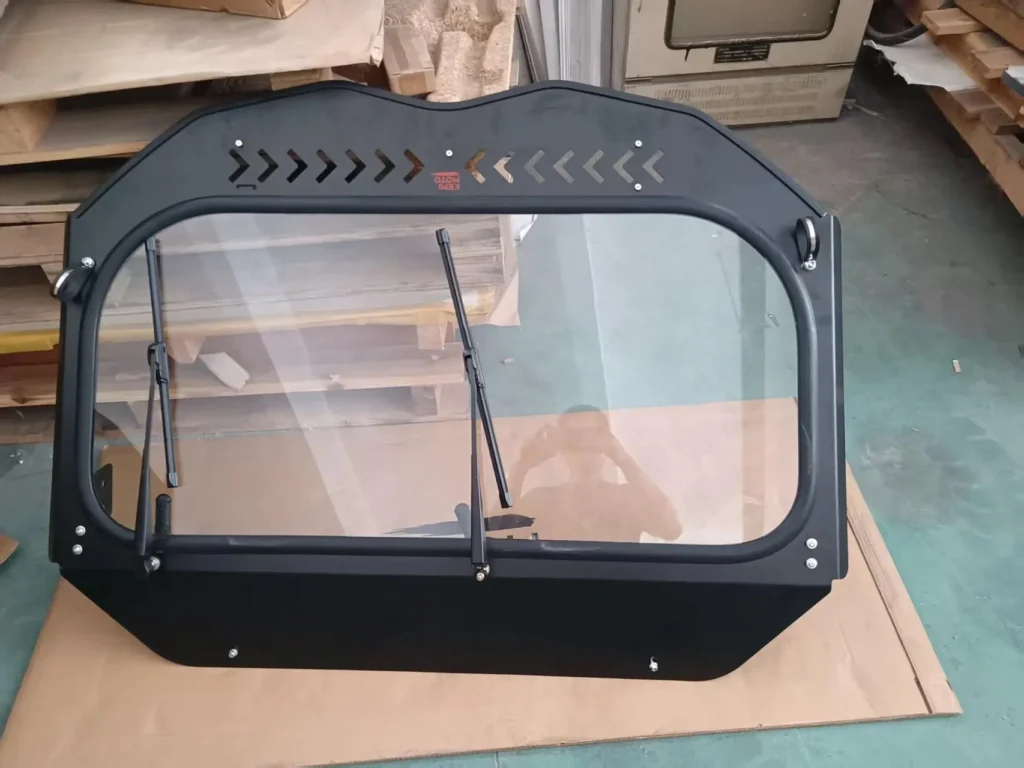
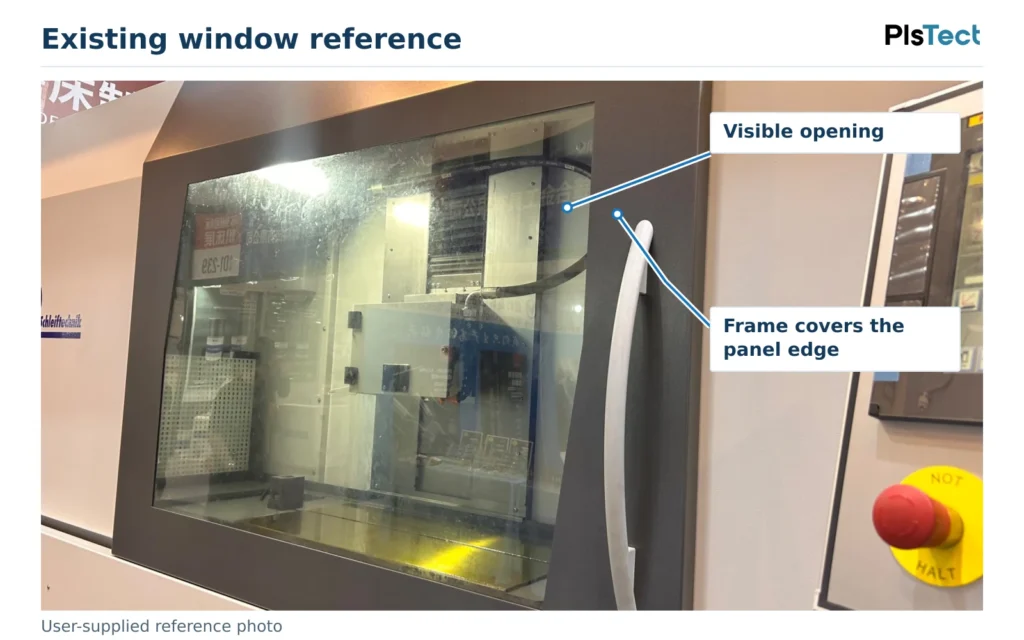
Technical Articles · Replacement Windows An original glass window can provide a useful geometry reference. A polycarbonate replacement also needs a review of thickness, support, movement, sealing and surface performance. The aim is a replacement that meets the agreed requirements as an installed assembly. Start with the application: identify the equipment, window position and reason for the material change. Send existing photographs, available dimensions and quantity. Include any required specification, approval or protective function so these can be considered before a material and mounting arrangement are proposed. In this guide Separate reference information from design decisions Review thickness, loads and
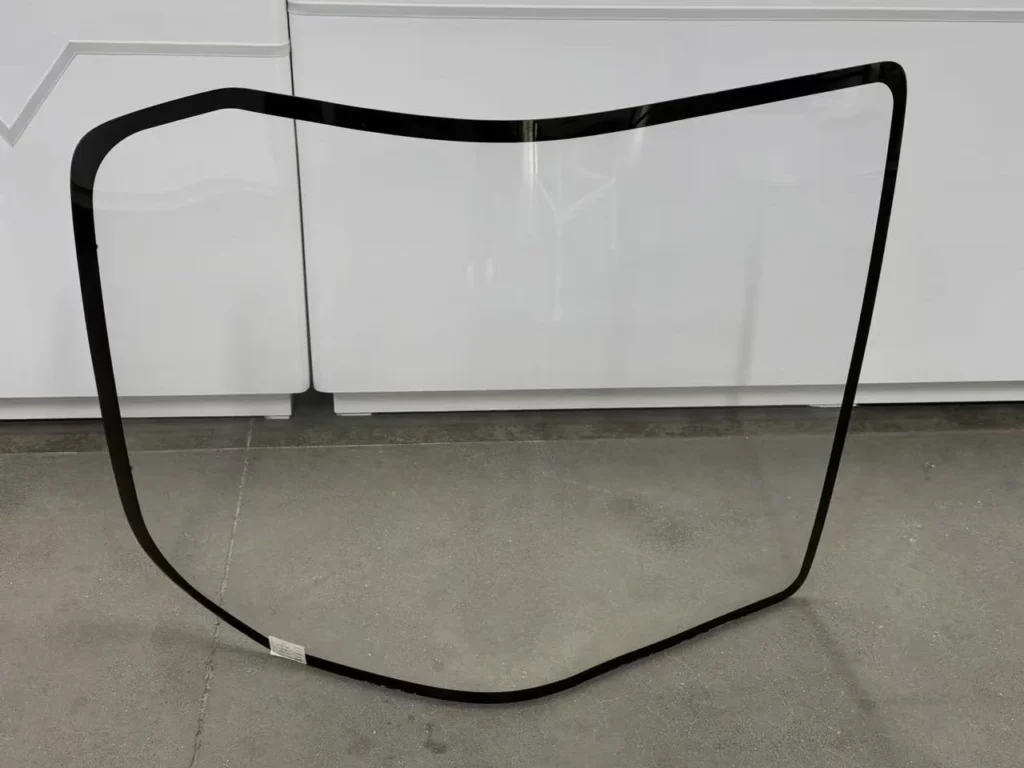
Technical Articles · Replacement Windows A flat replacement window needs its full outline, thickness and mounting features. A curved window also needs its surface shape and support conditions described. Clear labels make the information useful, even when some measurements are still missing. Start with what you have: existing photographs, available dimensions and the quantity required. Identify the equipment and window position, and say whether the panel is installed, loose or missing. You can begin the discussion without commissioning a scan, creating CAD or removing the glass. In this guide Identify shape and measurement state Label curved measurements clearly Record edges,
Prepare a full-size window template with a clear outline, hole positions, orientation and check dimensions. Learn what to confirm before sending it.
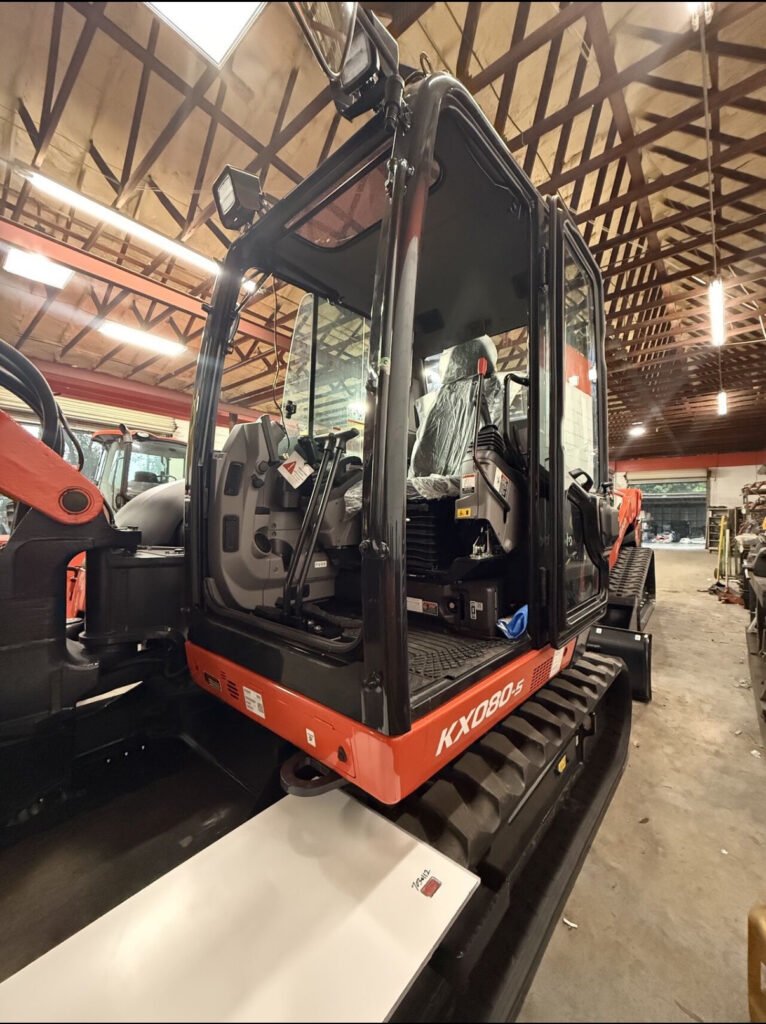
Prepare a custom replacement window project without drawings. Learn what photos, samples, templates and specifications help with review and quotation.

Learn how UV blocking differs from weathering resistance, what windshield test reports should include, and which properties to compare after exposure.

ASTM D1044 Taber Abrasion Test helps evaluate abrasion resistance of transparent plastics and coated components. Learn how to interpret haze change, test parameters, and surface durability performance for engineering applications.