

Built Around Coating
Built for End-Use Demands
PlsTect helps OEMs and manufacturers turn coated plastic, film, and glass materials into usable parts for demanding product applications.
What PlsTect Works On
PlsTect supports manufacturers with functional coatings and custom-coated product forms for plastics, films, and glass.
We work across surface performance, material selection, project-based coating options, and fabrication support — helping coated materials become usable panels, covers, windows, and finished parts for real product environments.
Recent Product Developments at PlsTect
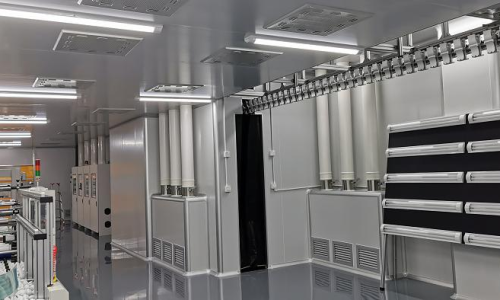
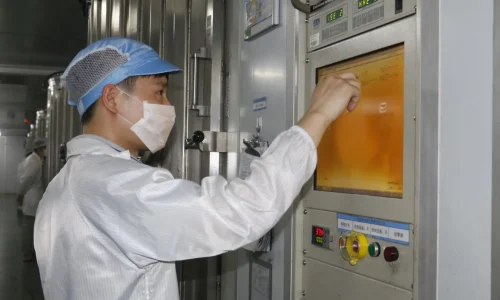
PlsTect is expanding selected coated product directions based on our work with functional surfaces, plastic and glass materials, and fabrication support.


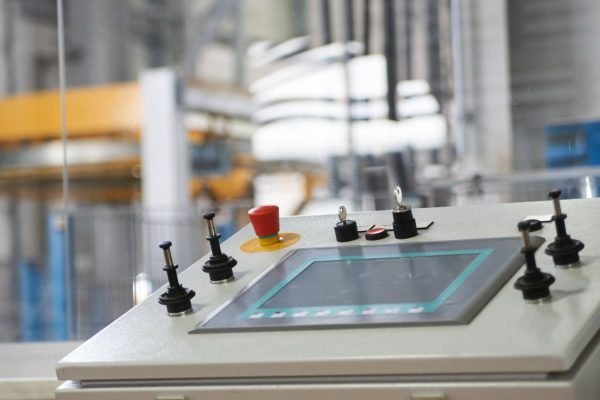

Typical Problems PlsTect Solves
Surface issues rarely appear suddenly — they degrade performance, visibility, and reliability over time.

Fogging
Trouble: Loss of visibility in humid environments.
Solution: Requires an anti-fog surface for consistent clarity.
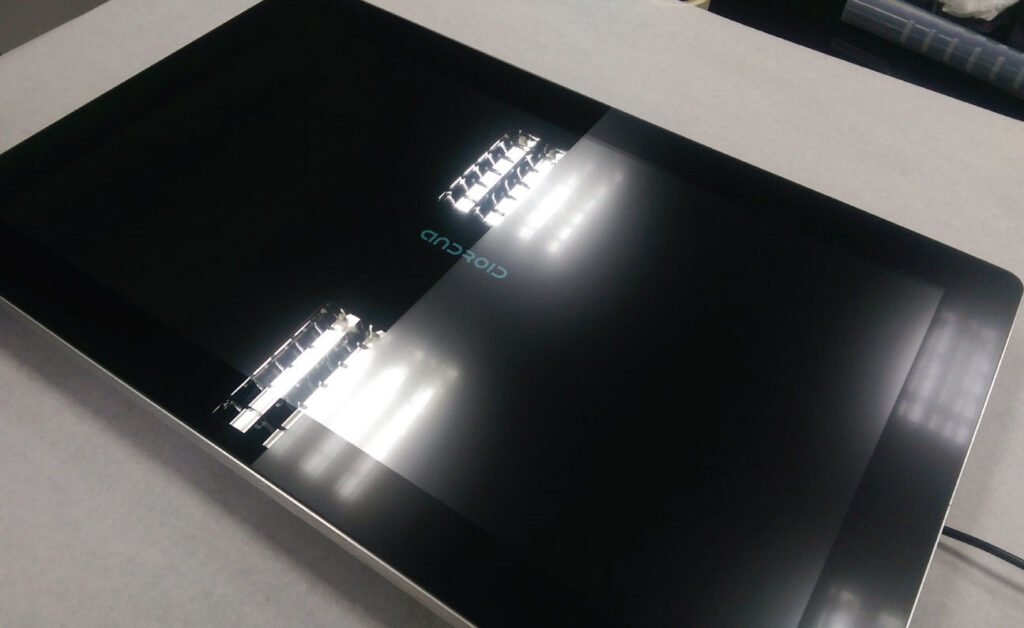
Glare
Trouble: Loss of visibility due to glare interference.
Solution: Controlled with anti-glare or anti-reflective coatings.

Durability
Trouble: Scratches, abrasion, and coating degrade over time.
Solution: Solved with hard coating or abrasion-resistant layers.

Contamination
Trouble: Fingerprints, dust, and chemicals affecting usability.
Solution: Solved through anti-smudge or easy-clean coatings, combined with hard coatings for abrasion resistance.
Integrated Solutions We Supply
Surface issues can be addressed by modifying how the surface behaves, not just by changing the material.
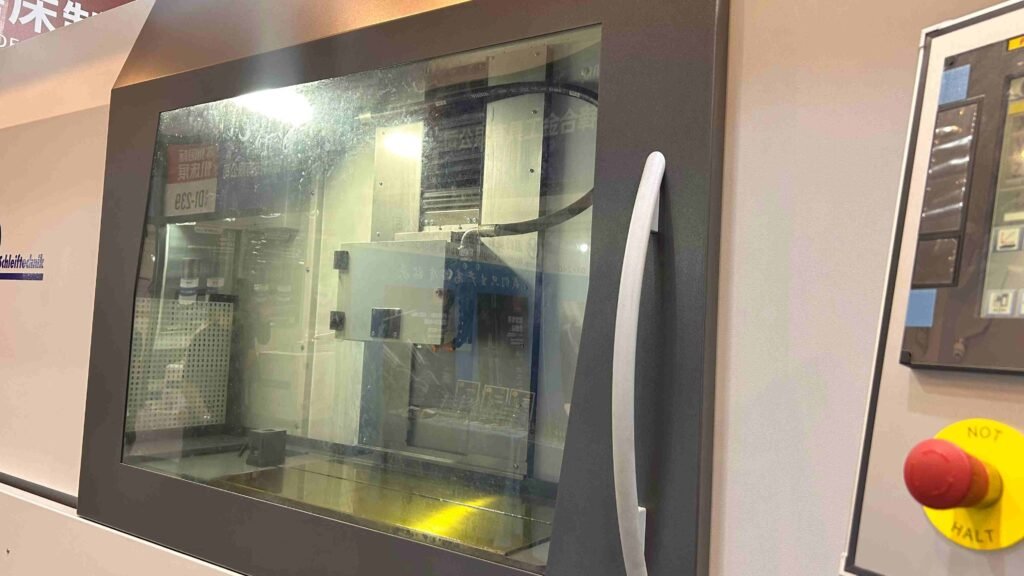
Fogging in Enclosed Equipment
Condensation quickly blocks visibility in humid or temperature-changing environments.
A hydrophilic surface keeps the viewing area clear by preventing droplet formation.
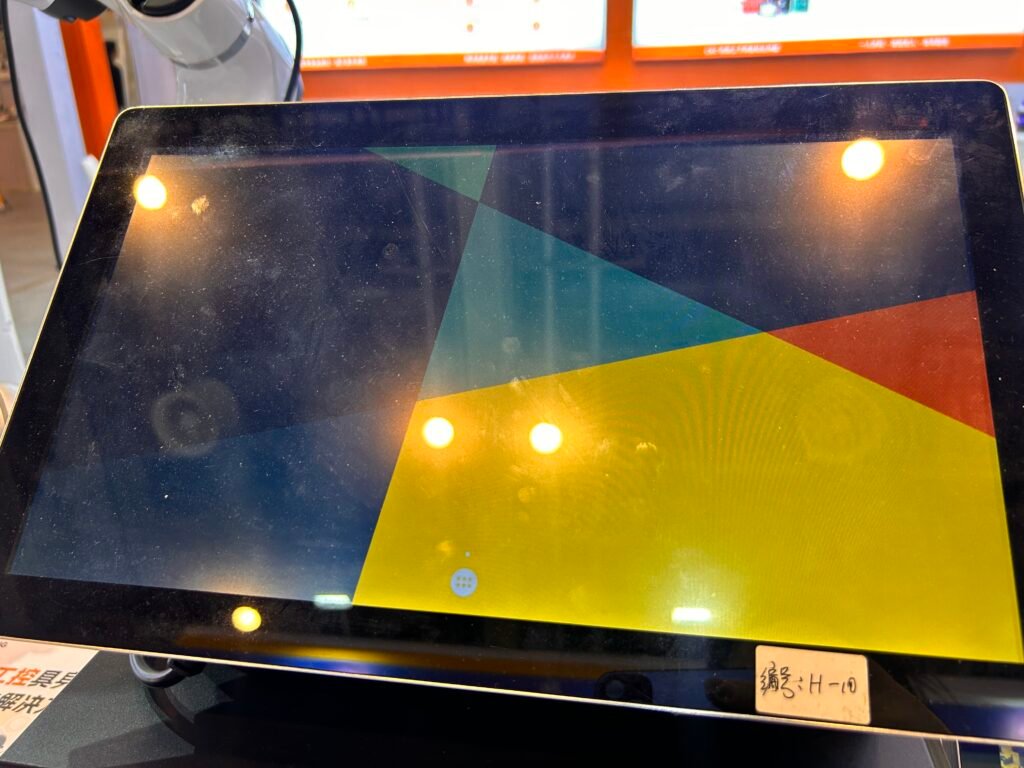
Glare on Display Interfaces
Reflections make screens and transparent surfaces difficult to read under strong light.
Surface treatments reduce reflection and stabilize visual clarity across lighting conditions.

Surface Damage in High-Use Areas
Frequent contact and cleaning gradually reduce clarity and surface quality.
Hard coatings improve abrasion resistance, maintaining long-term performance.

Contamination on User Interfaces
Fingerprints, oil, and residues interfere with usability and visual appearance.
Surface modification reduces adhesion, making contaminants easier to remove.
Coating and Application Support
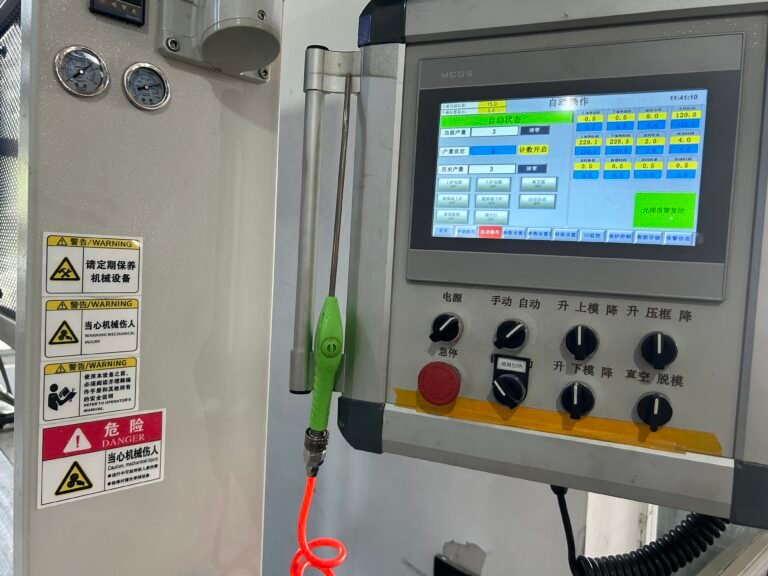
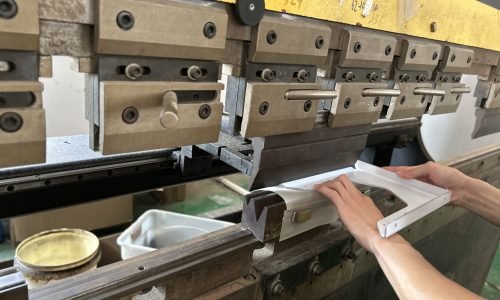
PlsTect integrates coating formulation, process selection, substrate review, and application engineering. When coated materials need to enter a final product, we also review fabrication requirements such as cutting, CNC machining, bending, forming, printing, bonding, and edge finishing.
Coating is where surface performance begins. What matters is how the coating behaves under real conditions —including durability, visibility, and usability over time.
Industries PlsTect Serve
These surface challenges appear across multiple industries with different constraints, but similar underlying issues.


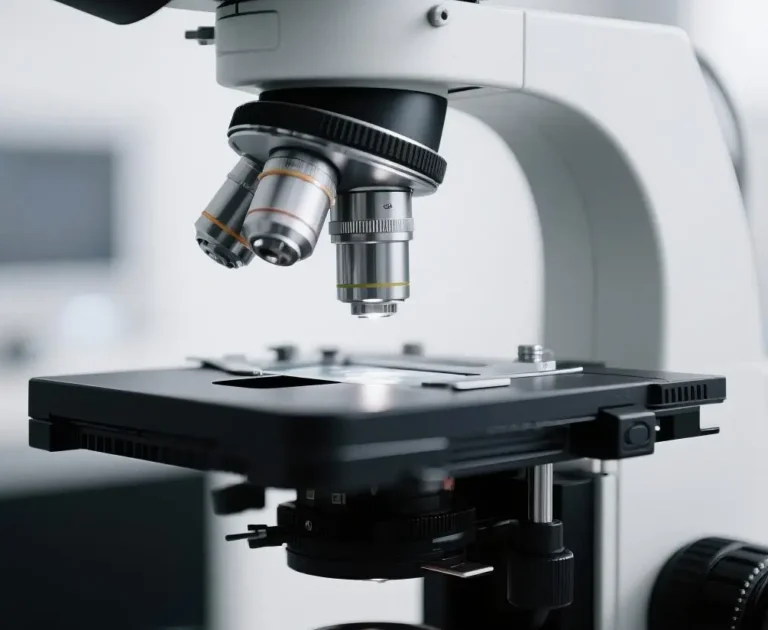
Touch panels, display covers, optical films and electronic interfaces.
lenses, sensors, inspection windows and precision optical assemblies.
Medical Devices
Medical housings, diagnostic equipment windows and transparent components.
Interior panels, instrument covers, lighting components and mobility system interfaces.
Machine covers, control panels, protective windows and industrial components.
Consumer electronics, appliances and professional equipment
PlsTect Capabilities
Different product applications may require more than one process route. We review coating methods together with substrate form, geometry, and fabrication needs so the material can move toward a usable part.
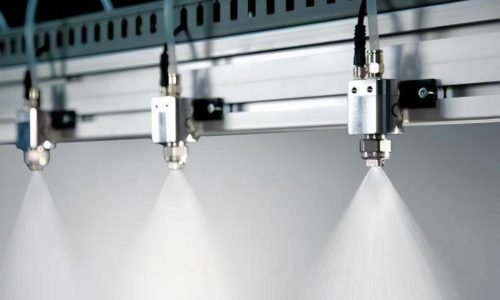
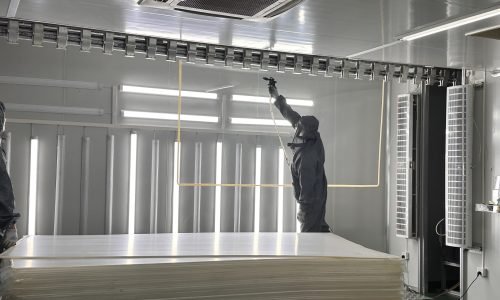
Spray Coating
For Complex Geometries and Flexible Application
Used when parts have irregular shapes or varying surface conditions.
Allows adaptable coating coverage across non-uniform structures.
Dip Coating
For Full-Surface Coverage and Consistency
Used when parts have irregular shapes or varying surface conditions.
Allows adaptable coating coverage across non-uniform structures.
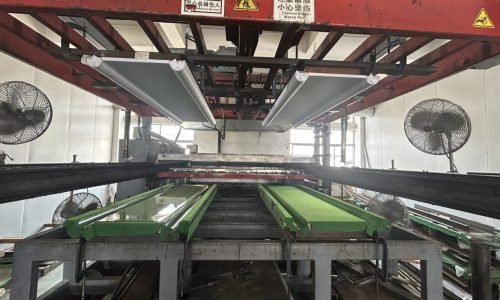
Roller Coating
For Flat Substrates and Controlled Thickness
Designed for sheets and flat panels requiring precise coating control.
Enables stable and repeatable surface performance.
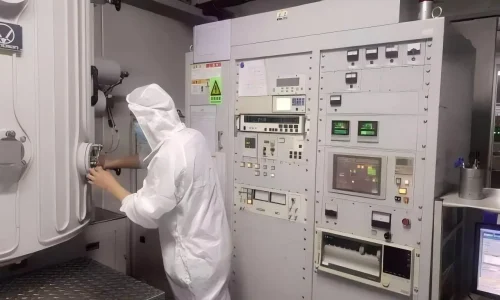
Vacuum Deposition
For Optical and Functional Thin Films/Glass
Used where surface properties require high precision and stability.
Applies thin coatings for controlled optical or functional performance.
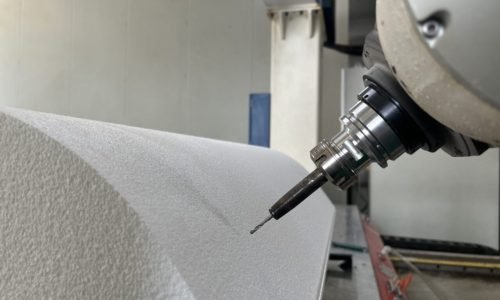
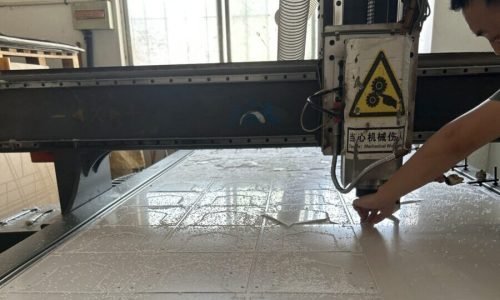
Fabrication Support
For Coated Materials Becoming Final Parts
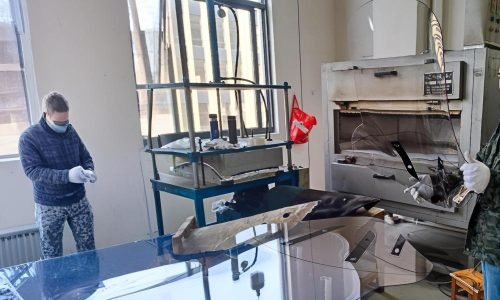
Used when coated sheets, films, or glass need to be cut, machined, bent, formed, printed, bonded, polished, or prepared for assembly.
Supports panels, covers, windows, interface surfaces, and other application-ready parts.
Why PlsTect
Coating development, substrate processing, and fabrication support are coordinated together, helping coated materials become usable panels, covers, windows, and interface parts.
A core team with 12 years of experience
Most members of our core team have more than 12 years of industry experience.
Engineering Collaboration
Work as one technical team, full participation and support from material to performance.
Manufacturing Consistency
Process control and testing infrastructure designed for repeatable production and validated quality.
Global Technical Support
Experience across multiple regions and industries, and abide by the local certifications and regulations.
Quality Beyond Certification
PlsTect supports coating development with internal testing capabilities and recognized industry test methods.
Certifications and compliance standards are applied in accordance with project requirements.
Available Validation Methods and Documentation
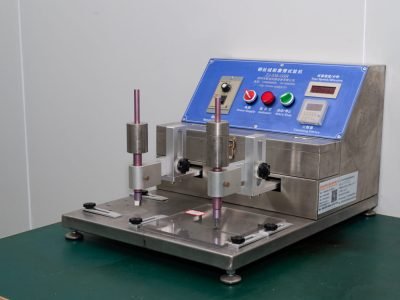
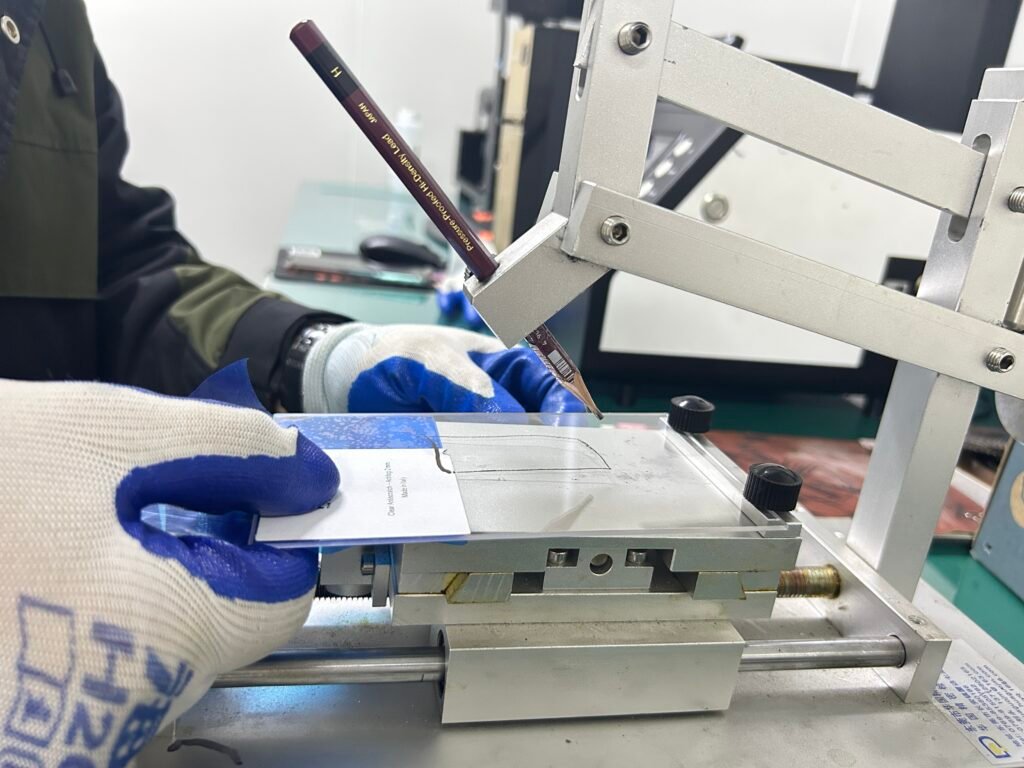
Surface Hardness
Pencil Hardness / Nano Hardness
Light Transmission
Spectrophotometer Measurement
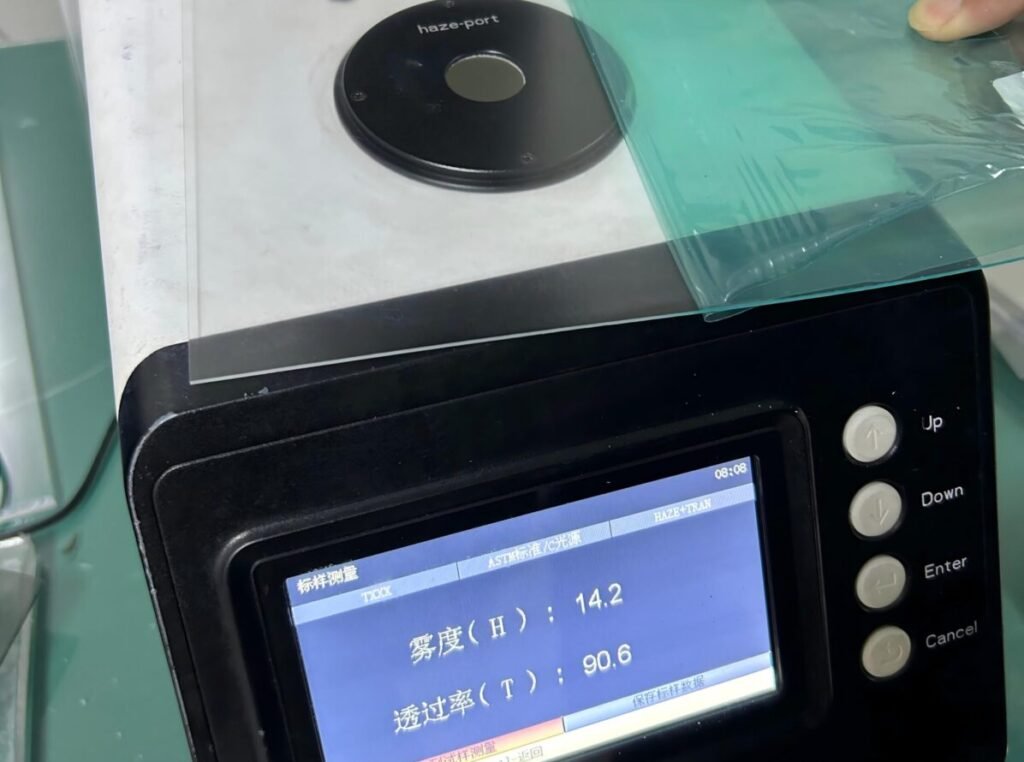
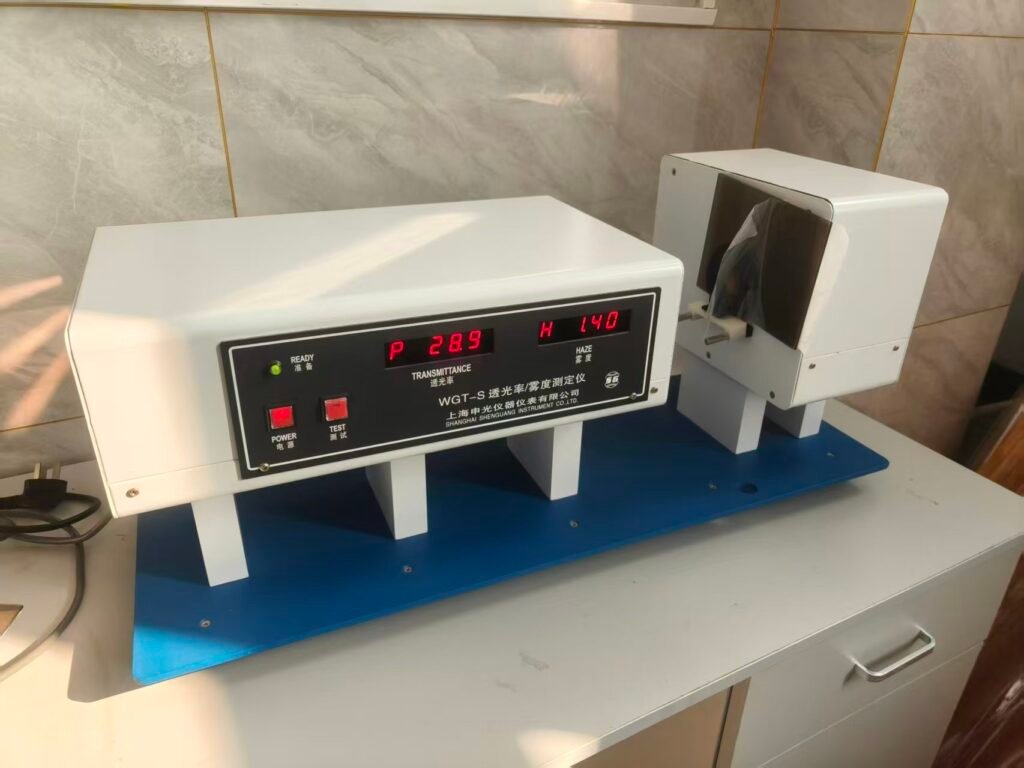
Haze & Clarity
ASTM D1003
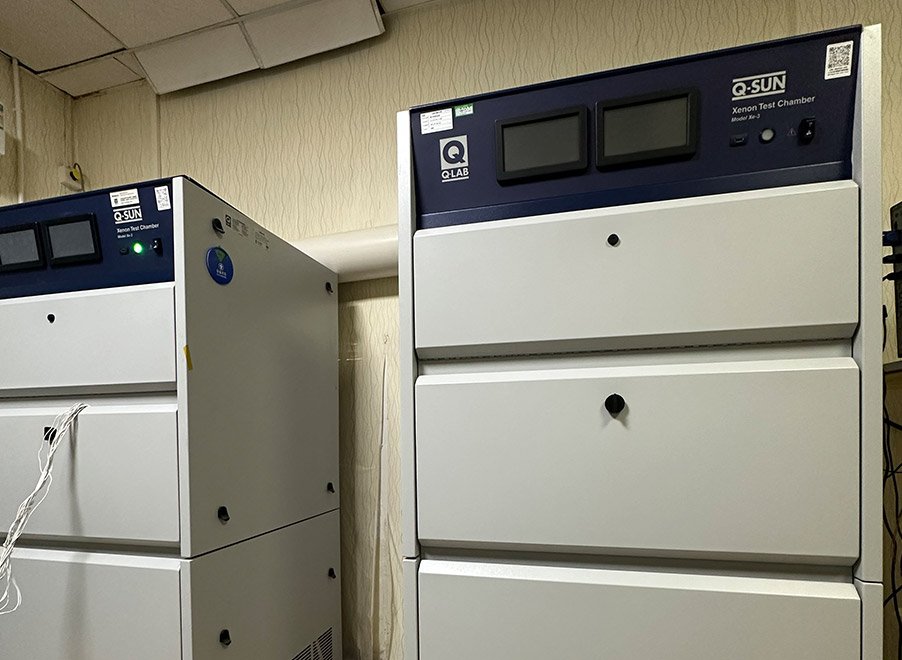
Weather Resistance
UV / Humidity / Temperature Cycling
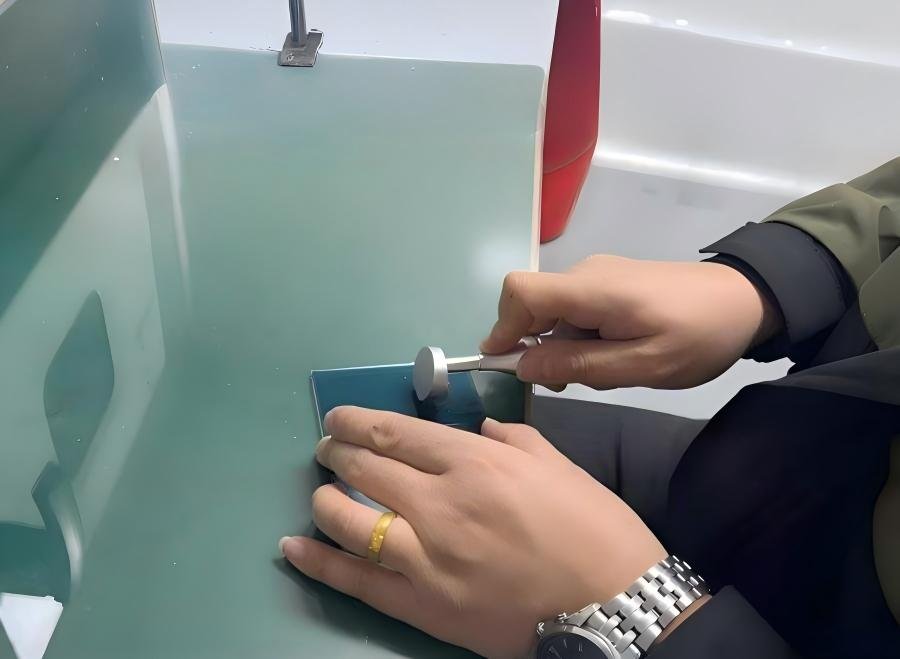
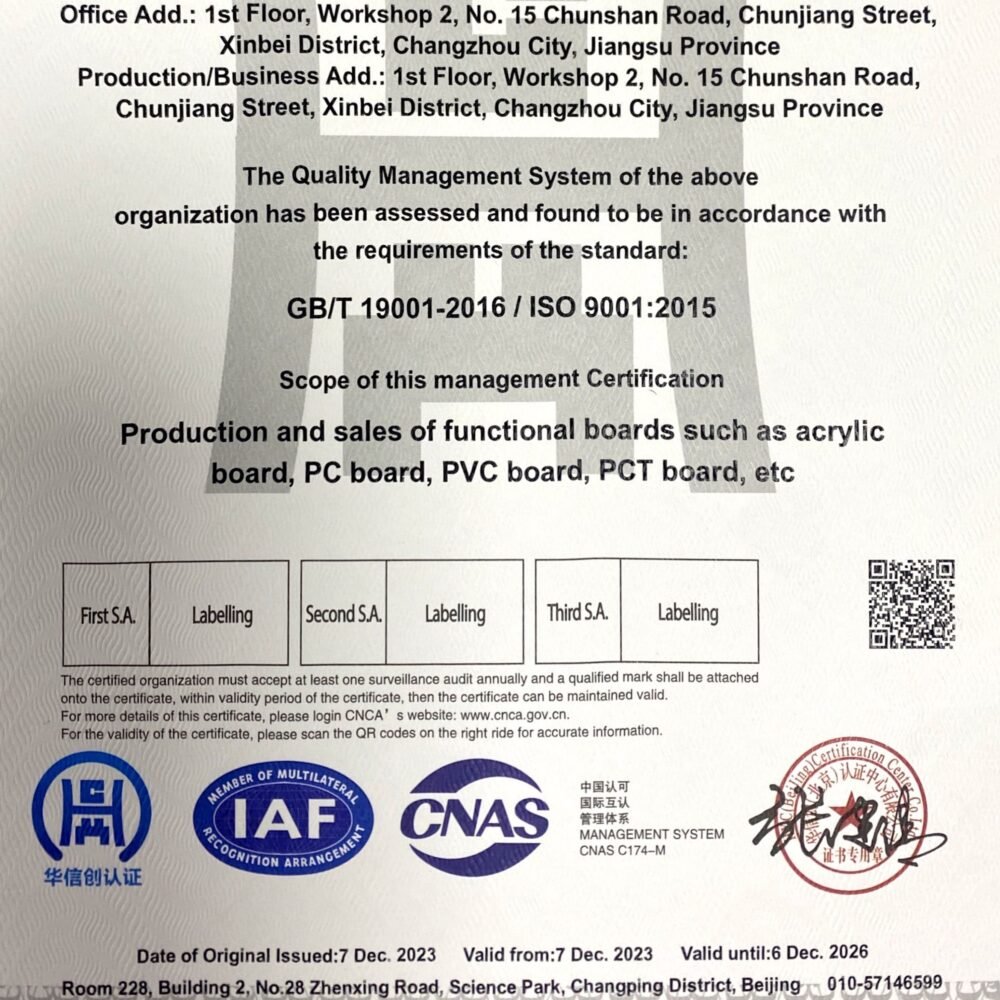
ISO9001 System
Cross Hatch Test
Quality system documentation
SGS Testing
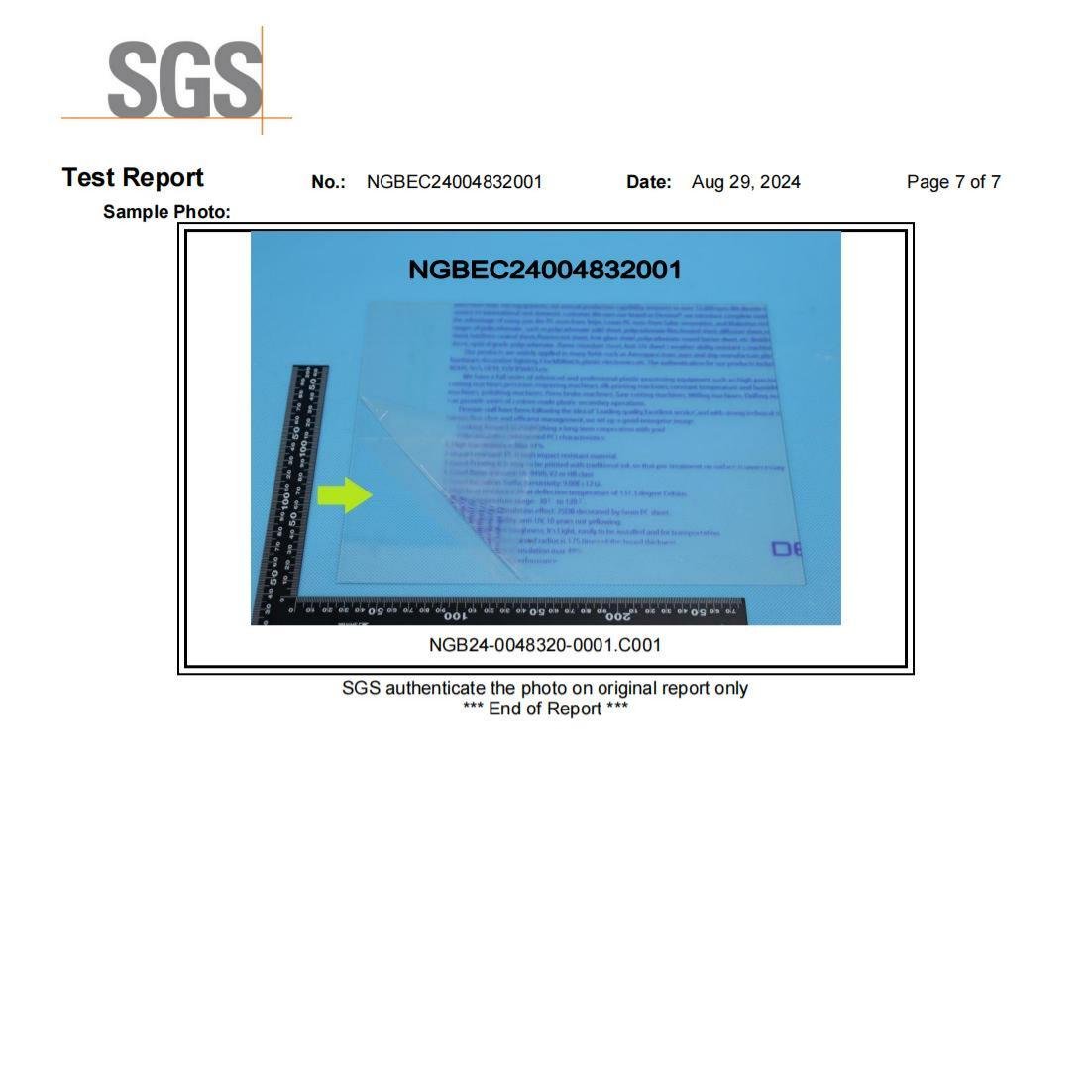
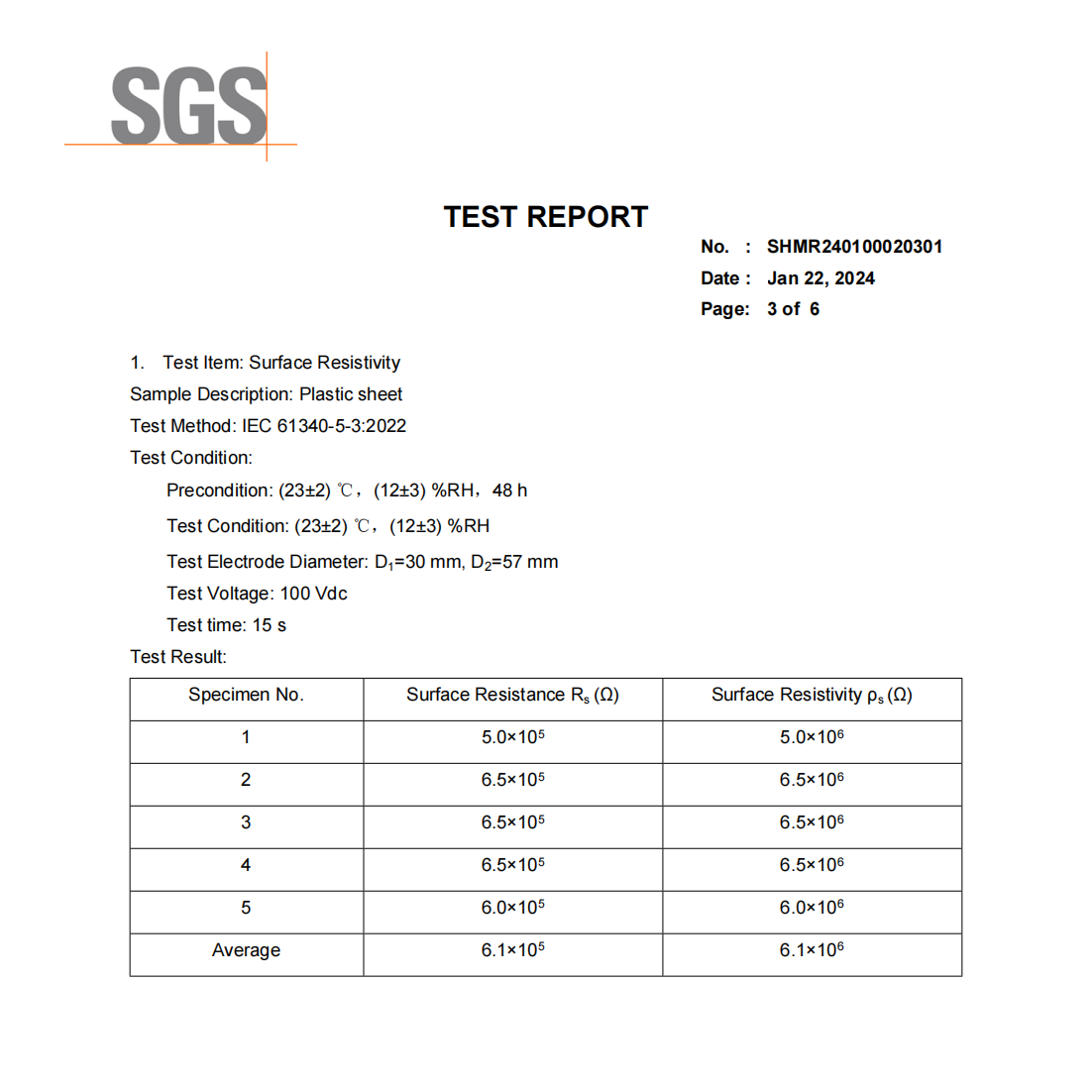
Performance Testing Report
Brands We Work with










How We Support Your Project
PlsTect reviews how the material, surface performance, processing route, and quality targets connect with the customer’s end-use requirements. For certification-related projects, we support material and process validation, while the final approval depends on the finished product design and the responsible testing process.
For projects where several coating requirements overlap, start with our Surface Performance Hub.
Product & Application Review
We begin with where the part will be used, how it will function, and what the finished product needs to achieve in real application.
Standards & Quality Targets
We review the standards, certification path, optical targets, durability requirements, or validation concerns that may affect material and process decisions.
Material & Process Selection
We connect substrate, coating, thickness, fabrication, forming, printing, or lamination direction according to the final product requirement.
Sample & Prototype Support
We support sample review, technical data, available test records, process coordination, and production preparation for the customer’s validation process.


Start Your Project Review
Start Your Project Review
Share your material, coating, fabrication, or final part requirements. PlsTect can review the substrate, surface performance, drawings, samples, or application conditions before recommending a suitable direction.