

Anti-Static Polycarbonate Sheets, Panels and Fabricated Components
Source clear anti-static polycarbonate for equipment windows, guards, covers and ESD-sensitive assemblies. PlsTect combines transparent polycarbonate, controlled anti-static surface performance and practical fabrication support, supplying full sheets, cut-to-size panels or drawing-based components ready for the next stage of your project.
Product Routes and Supply Scope
Choose the supplied state that fits your workflow. PlsTect can provide stock-format sheets for your own processing, panels prepared to a drawing, or fabricated transparent components with the required surface orientation and processing route defined before quotation.
Full Sheets
Choose full sheets when you want to manage cutting or downstream processing. Standard sheet size is 1200 × 2400 mm, with thicknesses from 1.0 to 30 mm. State the required thickness, treated surface and sheet quantity in the enquiry.
Cut-to-Size & Machined Panels
Order panels cut or CNC-machined to the drawing, including openings, edge details, masking and defined functional or printed areas. The released drawing identifies the treated face and the condition in which the panel will be supplied.
Fabricated Components
Use the fabricated-component route for equipment windows, guards, covers and assembly-ready transparent parts. Geometry, mounting details, processing sequence and any printing, bonding or forming requirement are reviewed together before the component is released for production.
Limited Stock, Mixed Orders and MOQ
Limited stock is typically held for selected common thicknesses from 3–5 mm. Mixed-thickness or mixed-specification sheet orders are supported, with a total minimum order quantity of 100 sheets across the order. Fabricated panels and components are quoted according to the drawing, processing route and quantity.
Key Performance and Product Parameters
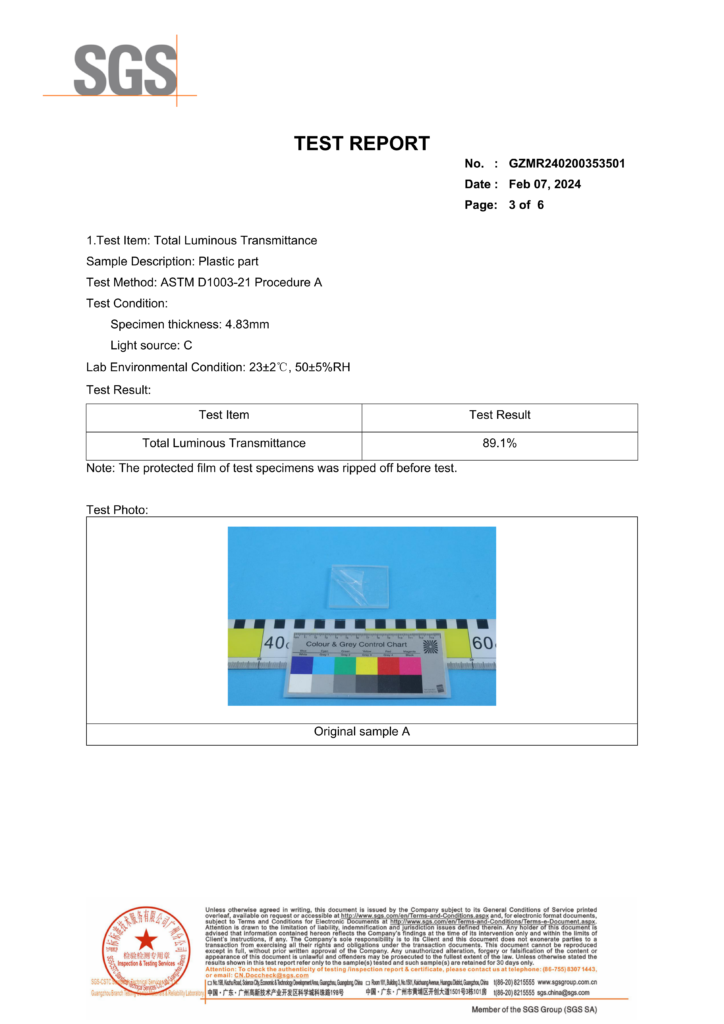
PlsTect’s transparent anti-static coating platform is designed to reduce surface charge and dust attraction while retaining the transparency and impact performance required for polycarbonate windows, guards, covers and equipment components.
| Property | Representative Result |
|---|---|
| Surface resistance | Typically in the 106 Ω range |
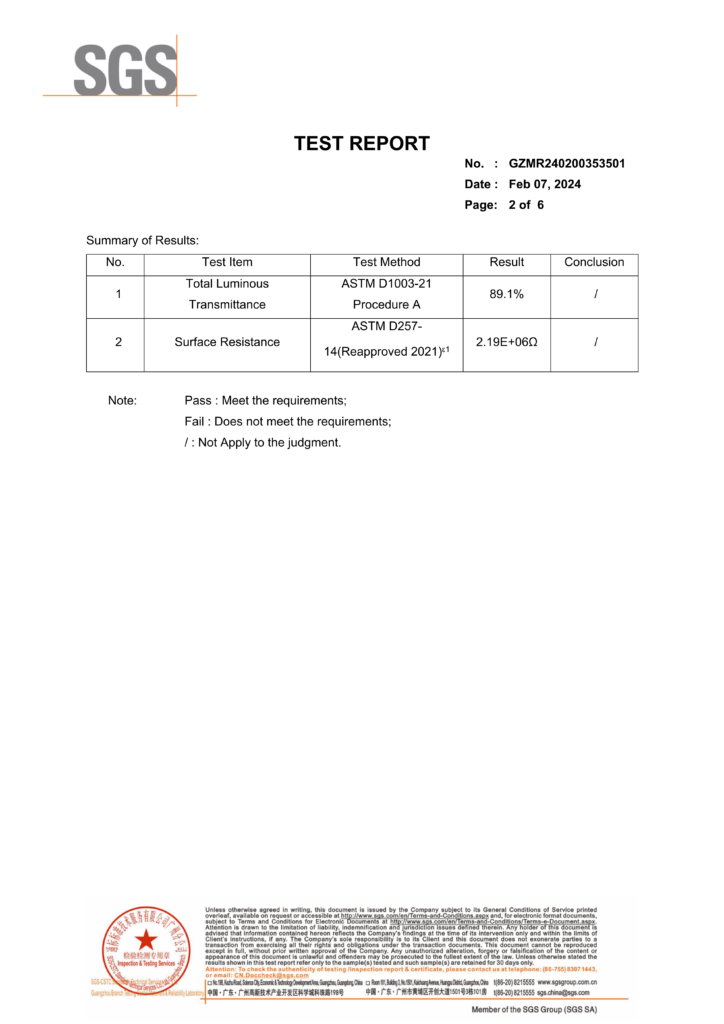
| Representative test results | 9.11 × 10⁵ to 2.77 × 10⁶ Ω |
| Representative average | 1.58 × 10⁶ Ω across five specimens |
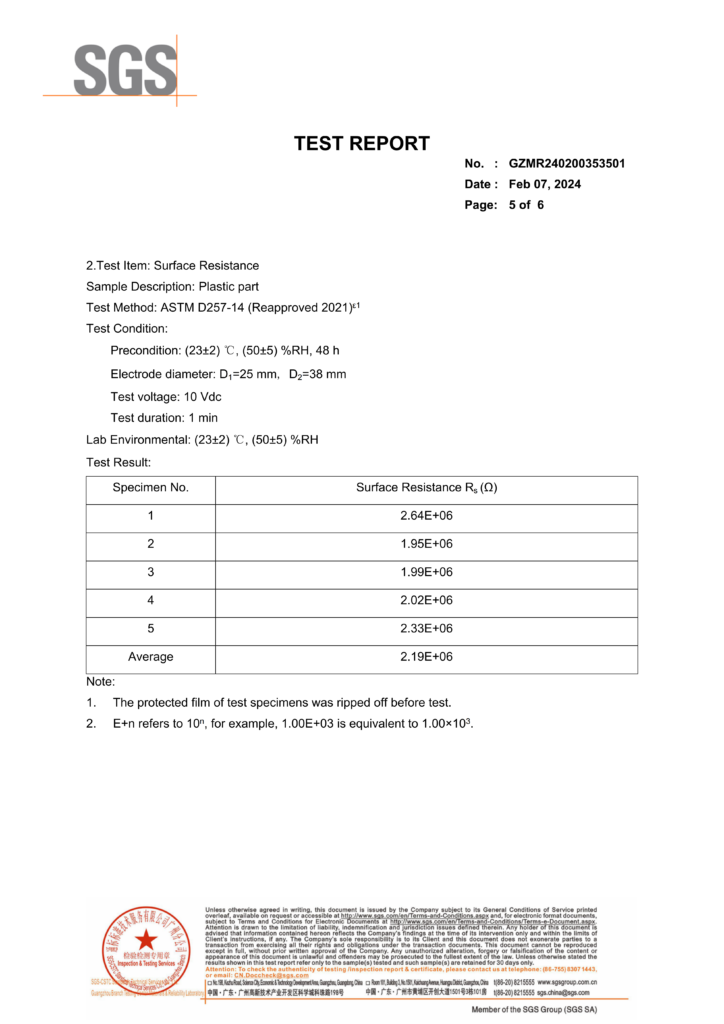
| Additional representative average | 2.19 × 10⁶ Ω across five specimens |
| Test method | ASTM D257 |
| Conditioning | 23 ± 2°C, 50 ± 5% RH, 48 hours |
| Measurement time | 1 minute |
| Test voltage | 10 or 100 Vdc according to the reported test setup |
These results were obtained from representative transparent-substrate samples using the same anti-static coating platform. Final values for a selected polycarbonate grade, surface construction and finished component are confirmed according to the project specification.
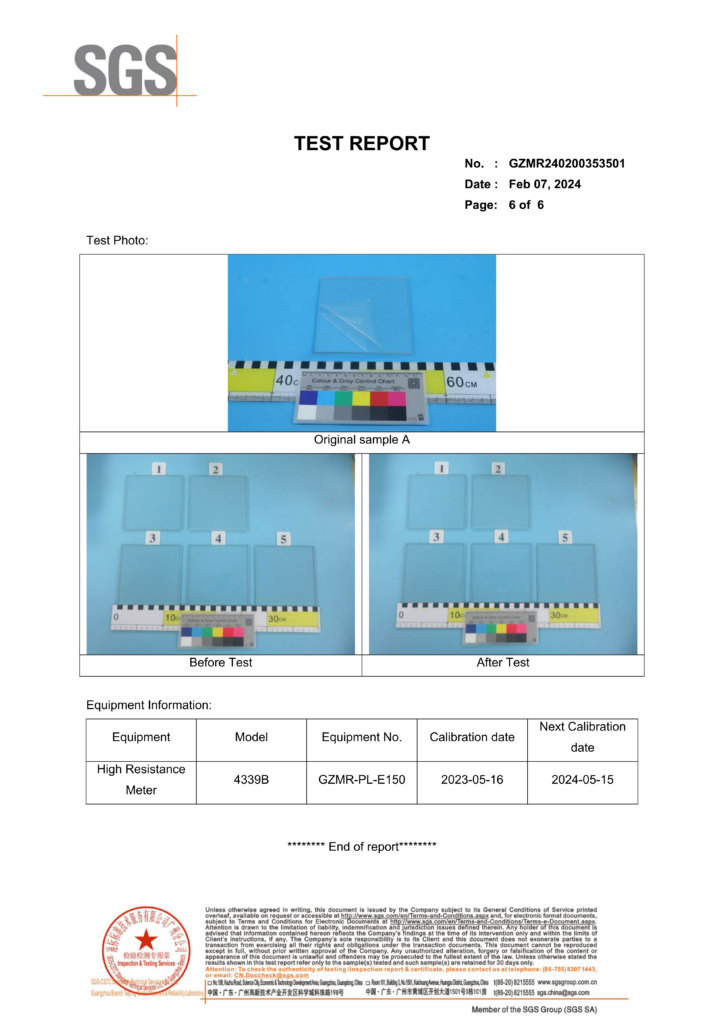
Typical Surface Resistance & Functional Surface
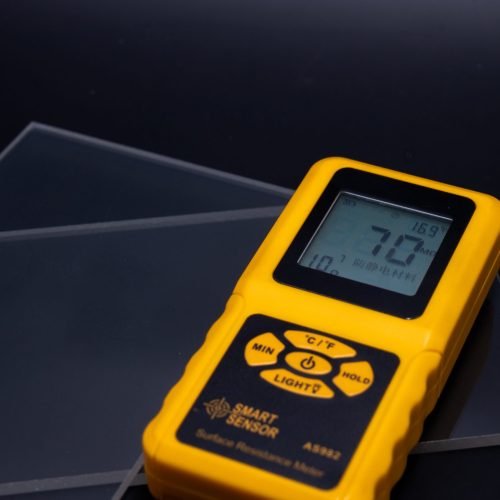
Typical surface resistance in the 10^6 Ω range. Final values are confirmed according to substrate, construction and test conditions. Single-side treatment or another selected surface configuration can be reviewed according to the exposed face, assembly orientation, masked zones and drawing requirements.
Substrate, Appearance & Standard Format
Clear polycarbonate provides a transparent, impact-oriented base for industrial panels and components. Standard sheet size: 1200 × 2400 mm. Thickness range: 1.0–30 mm. Selected common 3–5 mm thicknesses may be available from limited stock.
Fabrication Options
Available routes include cutting, CNC machining, drilling, edge preparation, masking, printing review, bonding review and selected forming routes. The required operations should be stated before the material construction is released.
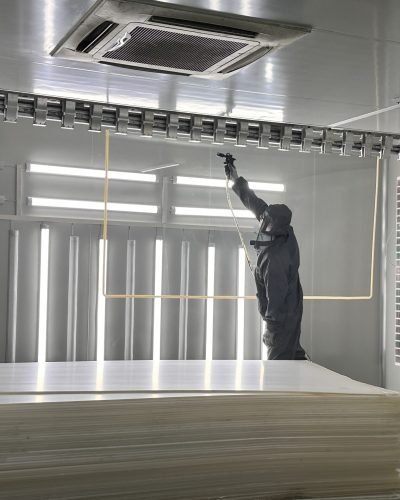
Optical and finished-part confirmation: Confirm the visible area, appearance criteria, treated face and acceptance state for the actual project. When fabrication can affect the functional surface, the sample or finished component can be included in the validation plan.
Printing, Bonding and Forming Routes
Tell us about printing, bonding, thermal bending or thermoforming at the start of the enquiry. These operations influence the surface construction, process sequence and sample plan, so early route selection helps avoid rework later.
Printing
Printing requirements must be declared before ordering because a printable anti-static coating is different from a conventional anti-static coating. Share the printing process, artwork area, ink or marking type, adhesion target, treated face and any post-print handling or cleaning requirement.
Bonding
Bonding can be reviewed when the construction and assembly method are known. PlsTect considers surface preparation, adhesive compatibility, bond-area layout, curing conditions and process validation, then defines whether the bond area, surrounding functional surface or finished assembly should be checked.
Bending and Forming
A standard anti-static sheet should not automatically be treated as suitable for thermal bending or thermoforming. PlsTect provides a separate Thermoformable Anti-Static route for projects that require heating and shape change. The intended temperature, tooling, draw geometry and finished-part requirement are reviewed before the route is selected.
Did you encounter any problems when processing the anti-static sheet?
Applications for Anti-Static Polycarbonate
These applications are useful starting points for material selection. The final construction follows the drawing, functional surface and processing route.
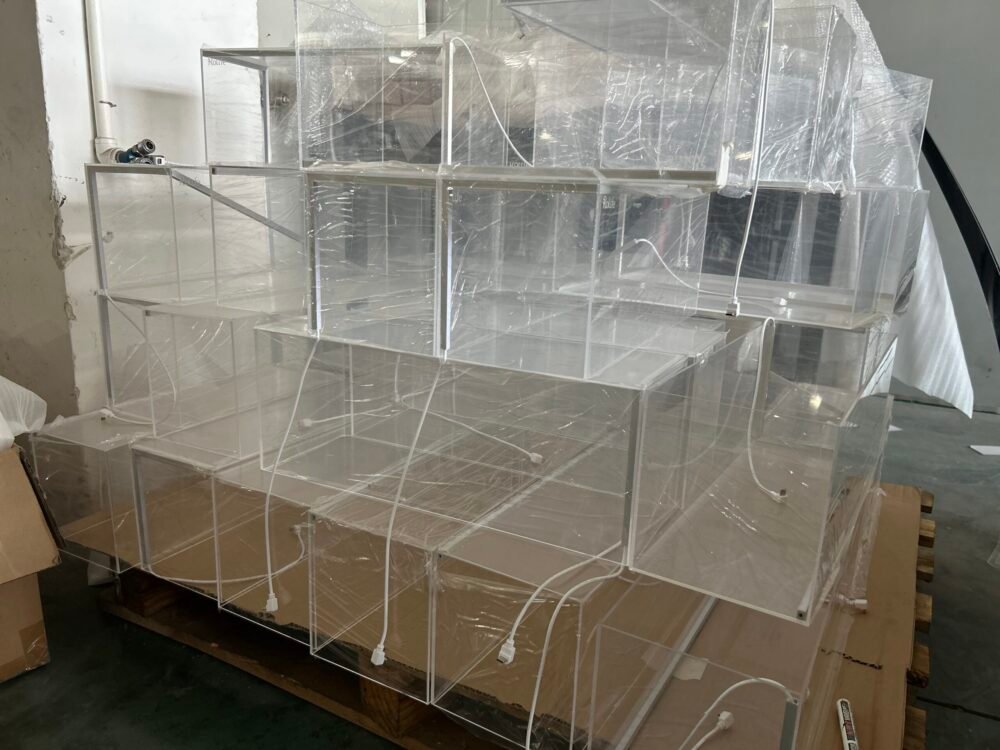
Equipment Windows
Transparent viewing panels for equipment where charge accumulation on the exposed surface needs to be reduced without giving up the impact-oriented benefits of polycarbonate.
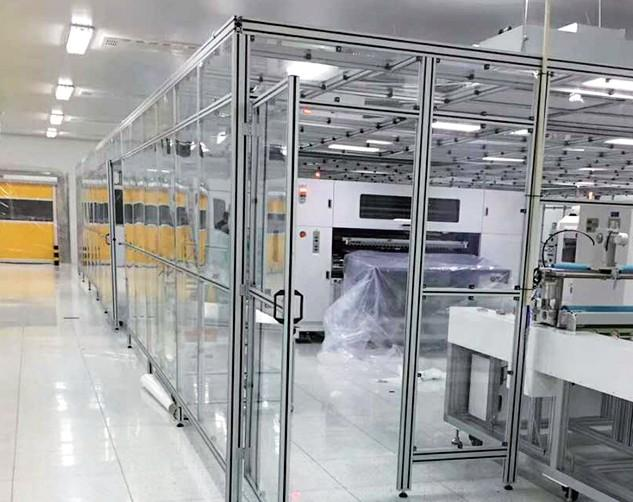
Machine Guards
Clear guarding panels and doors that combine visibility, polycarbonate construction and a defined anti-static surface for the working environment.
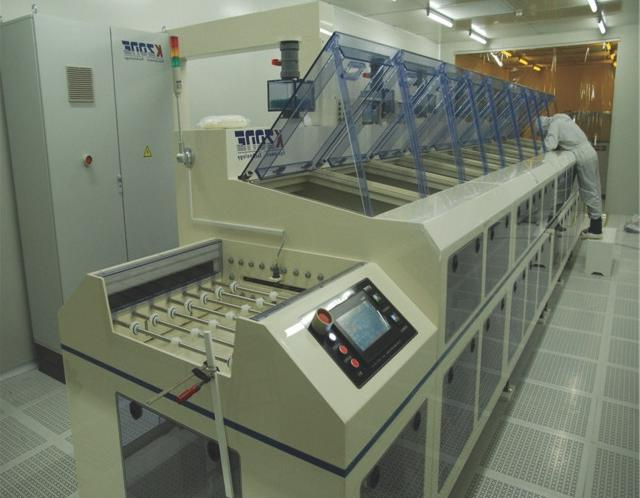
Transparent Covers
Covers, lids and access panels supplied as sheets, machined panels or fabricated parts according to the required geometry and treated face.
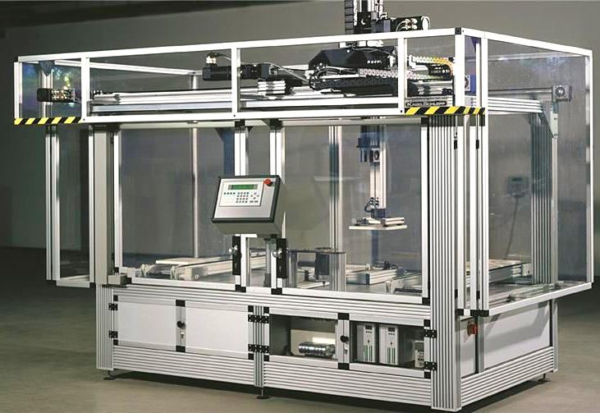
ESD Enclosures
Transparent enclosure panels for equipment and work areas where the surface-resistance target and assembly orientation are defined as part of the project.
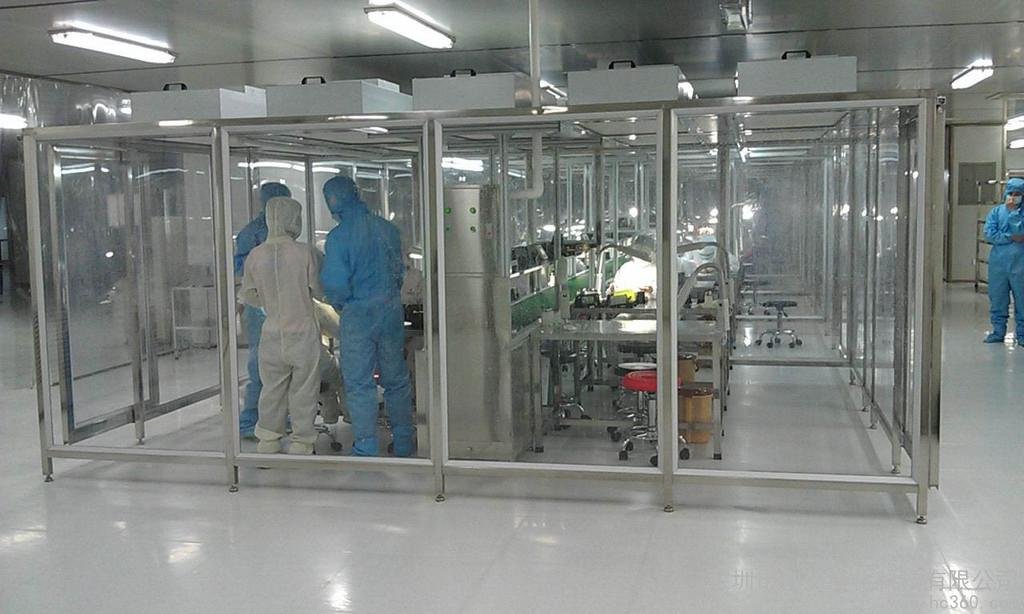
Clean Manufacturing Panels
Windows and partitions for controlled manufacturing spaces where transparency, cleanable geometry and reduced charge accumulation support the operating setup.
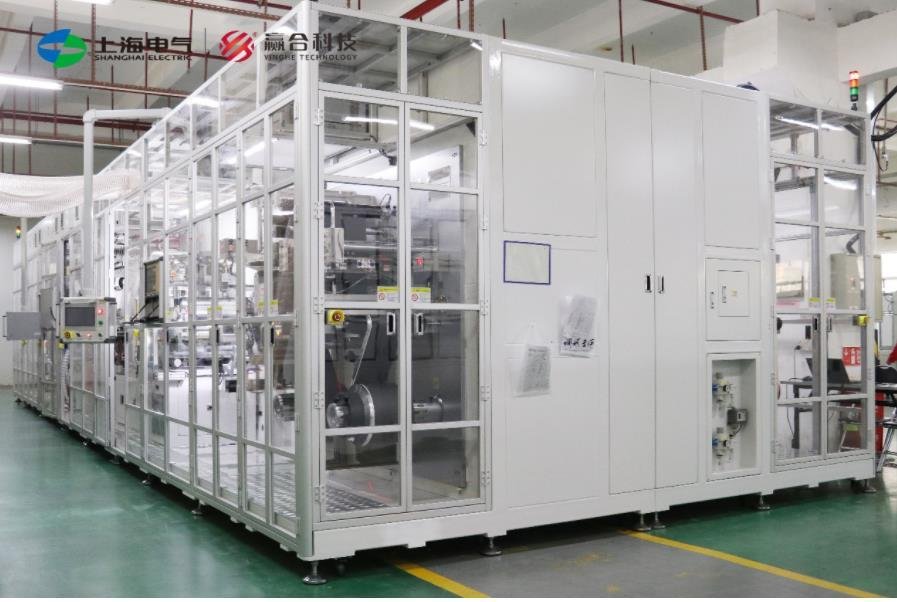
Electronics Manufacturing Equipment
Windows, guards and access panels for assembly, inspection and handling equipment used around static-sensitive electronic products or processes.
How PlsTect Supports the Project
PlsTect connects material selection, anti-static surface requirements and fabrication planning in one review, so the quotation is based on the part you intend to buy rather than a generic sheet description.
Share a drawing or sample together with thickness, dimensions, quantity, treated face, surface-resistance target, visible area, use environment and required processing.

PlsTect reviews the material and surface route, then identifies whether the project needs a standard, printable, bondable or thermoformable anti-static construction and what fabrication path fits the part.
A sample, representative test plan or finished-part check can be defined around the surfaces and process steps that matter to the purchasing decision.
Project outputs include drawing or sample review, route identification, fabrication review, a sample or test plan, the released specification, quotation and finished-part validation when needed.
Related Anti-Static Materials
Polycarbonate is not the only transparent anti-static route. Compare the required impact behavior, optical appearance, chemical environment, sheet or film format and downstream processing before choosing the substrate.
Anti-Static PMMA / Acrylic
Consider anti-static acrylic when high optical clarity, surface appearance and rigid transparent panel construction are the leading priorities and the impact demands fit an acrylic route.
Anti-Static PVC
Consider anti-static PVC for transparent guarding, covers or equipment panels where chemical environment, fabrication method and PVC-specific performance make it the better material choice.
Anti-Static PET
Consider anti-static PET when a thinner sheet or film format, low mass and conversion processes such as die cutting or printed overlays are central to the application.
Anti-Static PETG
Consider anti-static PETG when transparent sheet fabrication and formed geometry are important and the project benefits from PETG processing characteristics rather than a polycarbonate or acrylic construction.
Anti-Static Polycarbonate FAQs
What surface resistance can be supplied?
A typical surface resistance in the 10^6 Ω range can be supplied through the confirmed anti-static technology platform. State the target, treated face, part condition and test requirement so the value can be matched to the selected substrate and construction.
Do I need to declare printing requirements before ordering?
Yes. A printable anti-static coating differs from a conventional anti-static coating. Share the printing method, printed area, ink or marking type, adhesion requirement and whether the functional surface will be printed.
Can anti-static polycarbonate be bonded?
Potentially, subject to construction and bonding-process review. Surface preparation, adhesive compatibility, bond-area layout, curing conditions and the validation point should be agreed before production.
Can it be bent or thermoformed?
Use a separate Thermoformable Anti-Static route rather than assuming a standard anti-static sheet will suit heating and forming. Share the intended temperature, tooling, geometry and finished-part requirement for route selection.
Can different thicknesses or specifications be combined in one order?
Yes. Mixed-thickness or mixed-specification sheet orders are supported with a total MOQ of 100 sheets. List the quantity, thickness and surface configuration required for each item.
What information should I provide for a project review?
Send the drawing or sample, part use, PC grade if specified, thickness, dimensions, quantity, treated face, surface-resistance target, visible area, processing steps, mounting method, use environment and required documentation.
What is the difference between anti-static and static dissipative?
Anti-static is often used as a broad functional description for reducing charge accumulation. Static dissipative normally refers to a defined measured range or classification. For purchasing, state the required resistance range, test method and part condition instead of relying on the label alone.
Request an Anti-Static PC Review !
Share your drawing or sample together with the required thickness, quantity, functional surface and processing needs. PlsTect will review the closest full-sheet, machined-panel or fabricated-component route and prepare the next step toward specification and quotation.