

Outdoor Display Protection
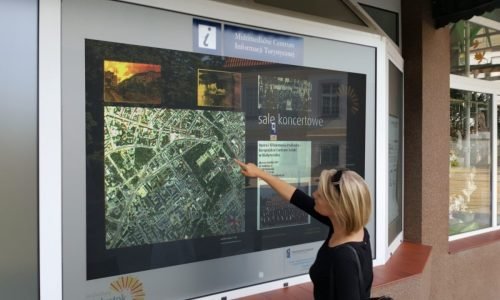
Outdoor display protection begins with a front cover that protects the screen without compromising readability.
PlsTect supports coated plastic, functional glass, and laminated transparent covers for outdoor displays, kiosks, terminals, control panels, and information systems.
Outdoor Exposure
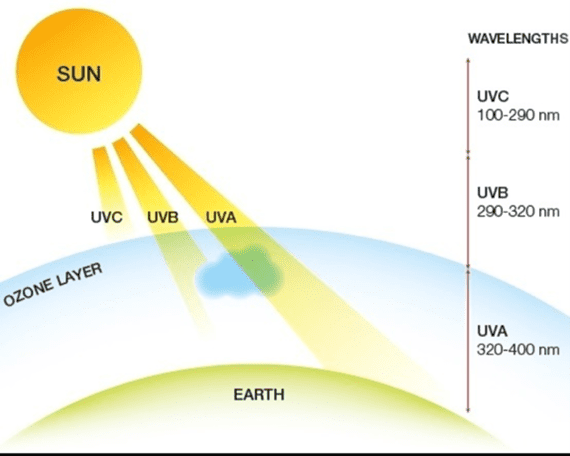
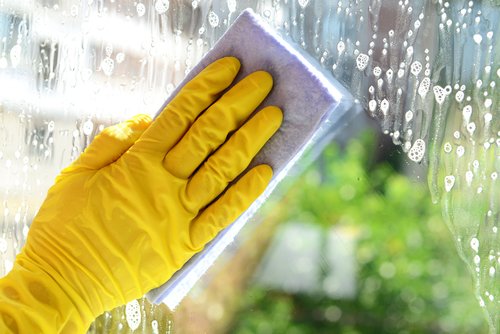
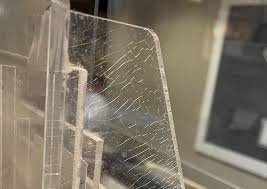

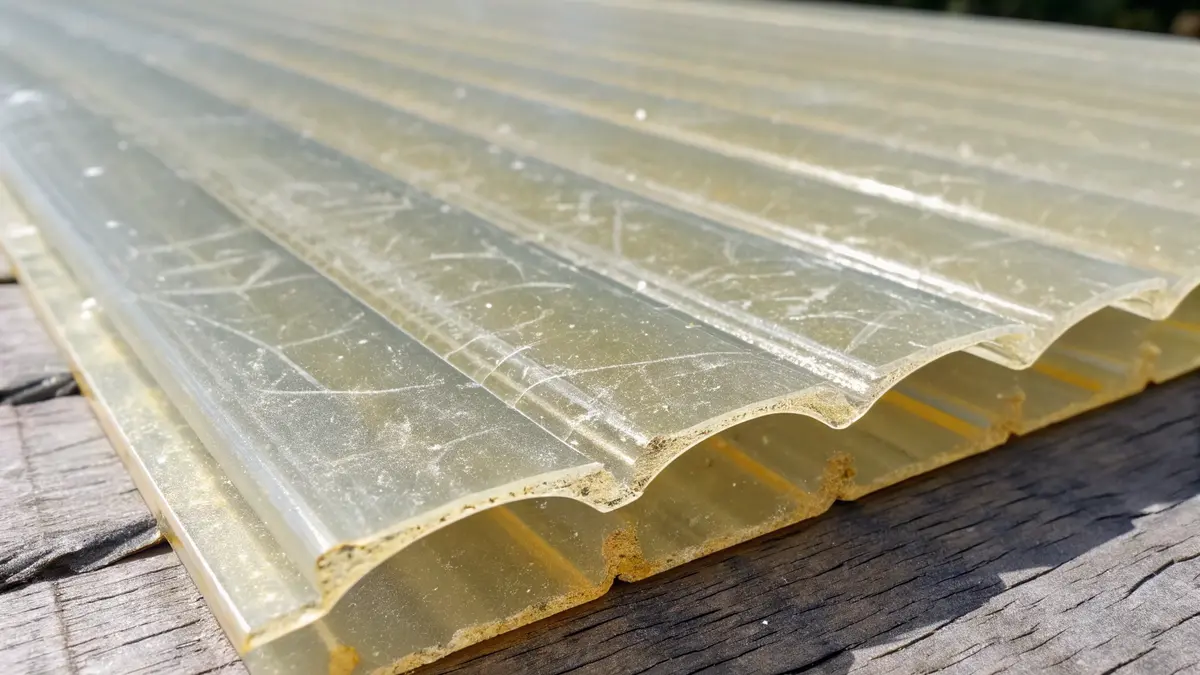
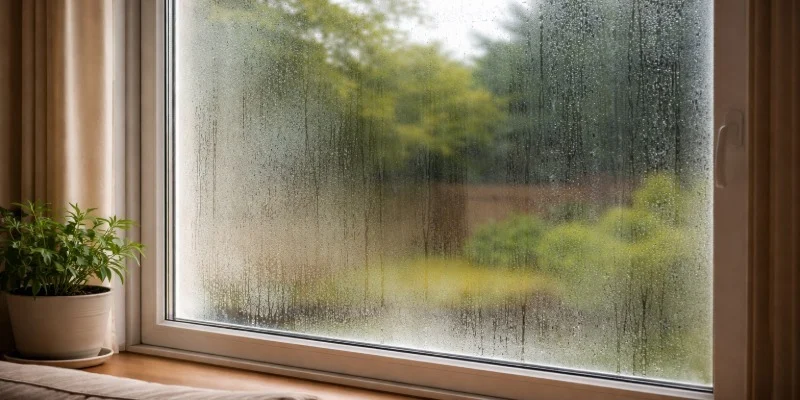
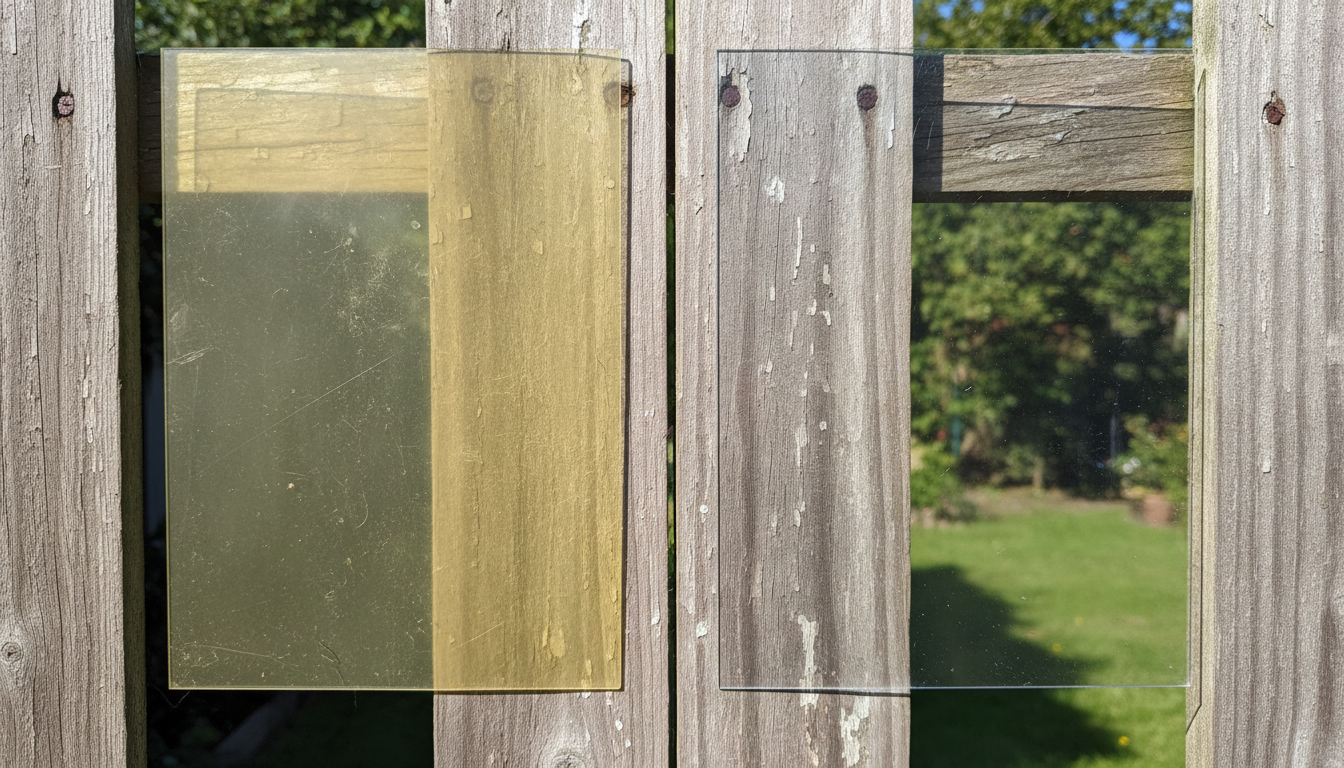
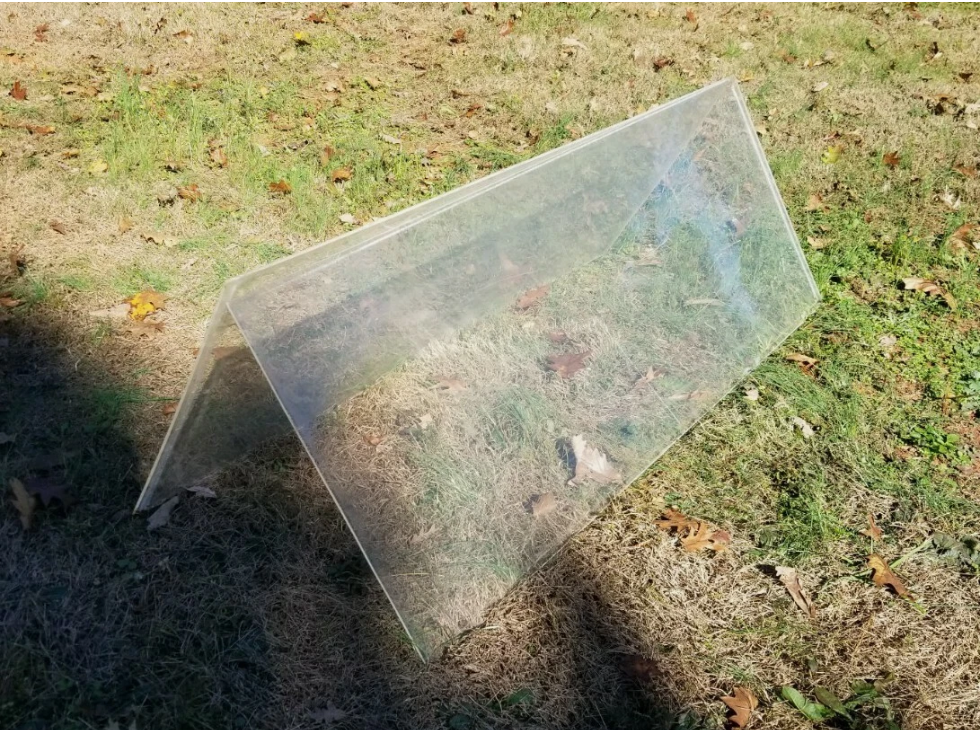
Outdoor display covers face several conditions at the same time.
Direct sunlight can reduce screen readability. UV exposure and temperature change may affect plastic materials over time. Moisture, dust, fingerprints, cleaning, and accidental contact place additional demands on the exposed surface.
The appropriate protection route therefore, depends on the complete use environment—not one performance requirement alone.
Sunlight and Glare
Strong ambient light and reflected surroundings can reduce screen readability.
UV and Weather
UV, heat, humidity, and temperature change may affect plastic covers and coated surfaces over time.
Cleaning and Contact
Fingerprints, dust, water marks, repeated wiping, and daily contact place additional demands on the exposed surface.
Impact and Handling
The required level of protection depends on the display location, installation height, user access, and surrounding equipment.
Display Cover Requirements
The transparent cover is part of the final display assembly. It must protect the screen, preserve readability, withstand outdoor exposure, and remain practical to clean and maintain.
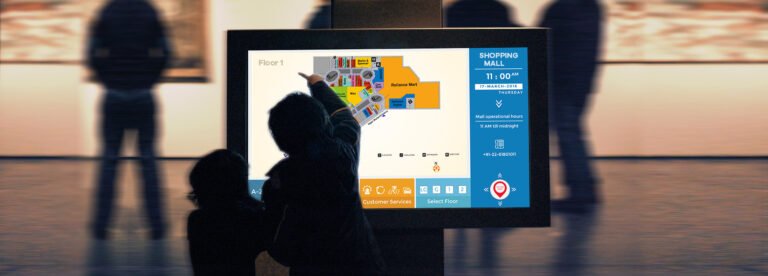
The material and thickness should match the expected impact, handling, vibration, and installation conditions.

The cover should support clear viewing under the expected light, distance, angle, and screen brightness.
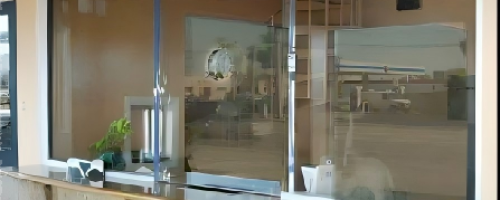
Material stability, coating durability, and exposed-side protection affect long-term performance.
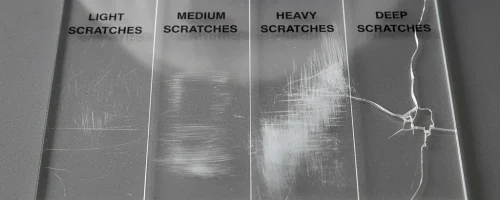
The surface should remain practical to clean without quickly losing clarity or appearance.
Cover Material Options
Outdoor display protection can be built with plastics, glass, or laminated transparent structures. The appropriate route depends on impact risk, optical targets, product size, weight, fabrication, mounting, and long-term exposure.
Hard-Coated Polycarbonate
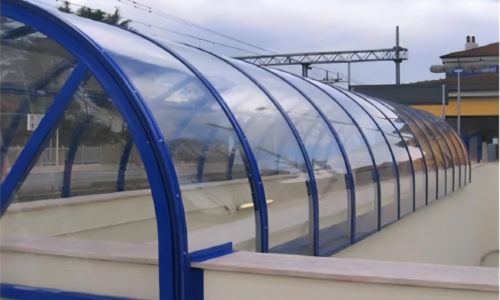
Suitable for display covers that require impact resistance, lower weight, and custom fabrication.
It can be supplied as coated sheets or processed into cut, machined, printed, bent, and formed protective covers.
Coated PMMA / Acrylic
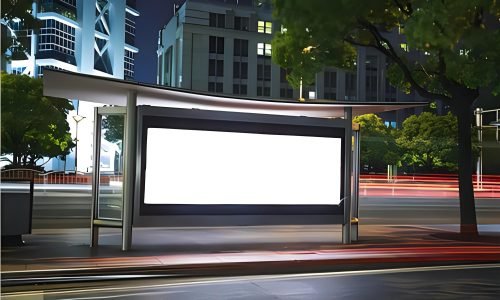
Suitable where optical clarity, appearance stability, and outdoor weatherability are important, while impact requirements remain moderate.
It can be used for flat covers, printed panels, and custom display surfaces.
Optical Glass Covers
Tempered glass with anti-glare or anti-reflective treatment is used where surface hardness and display presentation are priorities.
Glass covers can be supplied with printing, edge processing, holes, cutouts, and other custom features.
Laminated Structures
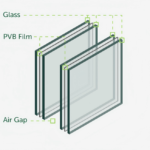
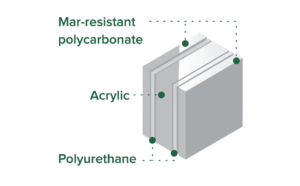
A laminated structure may be used when one material cannot provide the required combination of impact protection, optical performance, surface hardness, weatherability, or structural stability.
Possible constructions can combine polycarbonate, acrylic, glass, functional films, and selected interlayers. Each layer is defined around its role in the finished outdoor display cover or protective window.
Material selection should begin with the final display conditions. Screen brightness, viewing angle, impact exposure, cover size, mounting method, cleaning routine, and validation targets all influence the most suitable option.
Surface Options
Outdoor display covers may require different surface treatments depending on the display, installation environment, and maintenance conditions.
Used to reduce strong reflected images and improve readability under bright ambient light.
Used where lower surface reflection and clearer display presentation are required.
Supports plastic covers that need improved scratch resistance, cleaning durability, and longer outdoor service life.
Helps reduce the visible effects of fingerprints, dust, watermarks, and repeated cleaning.
Display Cover Products

Flat Display Covers
Flat polycarbonate, acrylic, or glass covers prepared to the required size, thickness, and surface condition.
Printed Front Panels
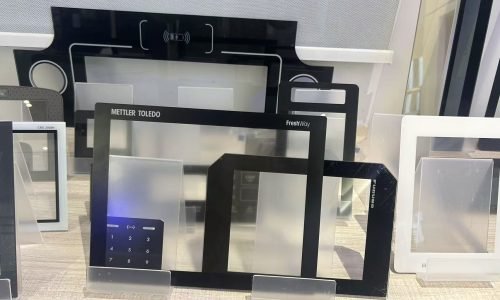
Custom borders, symbols, logos, masking areas, and functional printing can be added according to the display design.

Protective Display Windows
Selected plastic materials can be bent or formed for curved displays, housings, and product-specific cover geometries.
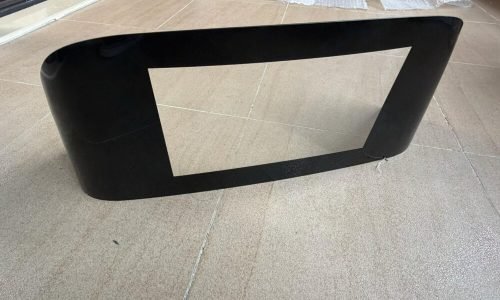
Flat Display Covers
Selected plastic materials can be bent or formed for curved displays, housings, and product-specific cover geometries.

Laminated Protection Panels
Multi-layer structures can combine plastics, glass, films, and interlayers where additional impact, optical, or structural performance is required.
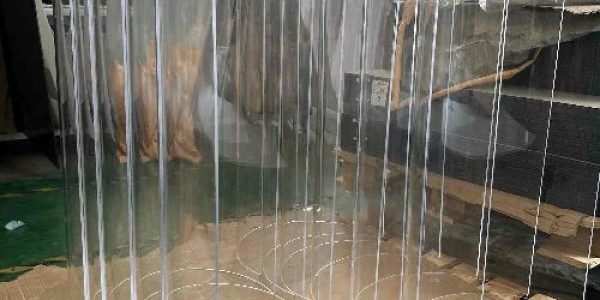
Custom Features
Holes, cutouts, slots, mounting points, edge finishing, and other drawing-based details can be included as part of the finished cover.
From Material to Finished Cover
Coating selection is often only one part of the final product requirement.
When coated plastic, film, or glass needs to become a usable panel, cover, window, or interface surface, PlsTect can also review fabrication needs such as cutting, CNC machining, bending, forming, printing, bonding, and edge finishing.
This helps the selected surface function move closer to the final part form required by the application.
CNC Cutting and Milling
For coated panels, covers, windows, and custom parts that require accurate dimensions, openings, slots, or mounting features.
Hot Bending and Forming
For applications where the coated material needs to follow a curved, angled, or formed product structure.
Printing and Masking
For display covers, control panels, interface surfaces, decorative borders, logos, or protected visual areas.
Bonding and Lamination
For parts that require layered structures, film combinations, adhesive bonding, or assembled surface systems.
Edge Finishing
For panels, covers, and windows where edge quality, handling safety, appearance, or dimensional control matters.
Handling and Assembly Protection
For coated surfaces that need protection during fabrication, packaging, transport, installation, or final product assembly.
Cleaning and Long-Term Use
For parts that will be touched, wiped, cleaned, exposed, or repeatedly handled after fabrication.
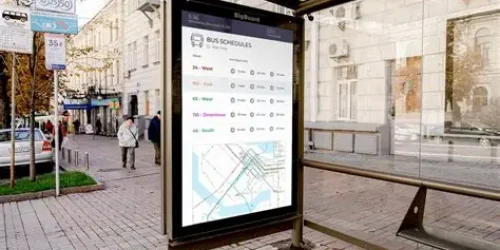
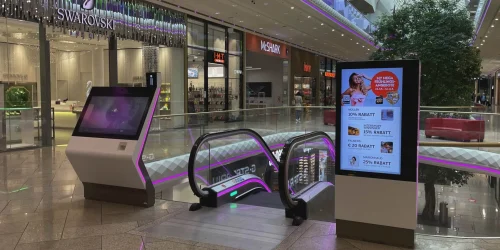
Display Applications
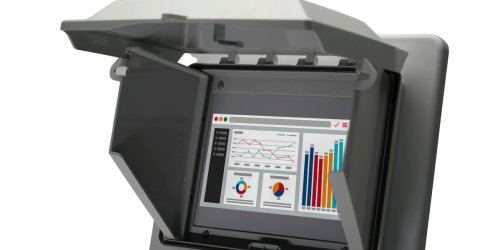


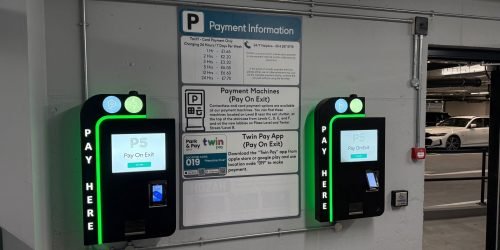

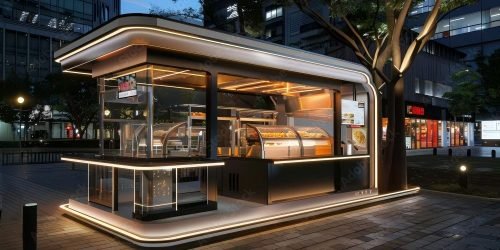
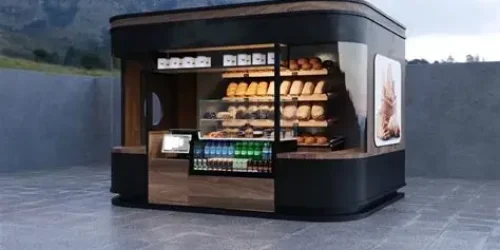
Project Development Workflow
From concept definition to mass production implementation.
A structured engineering workflow ensures efficient development, performance validation, and reliable production implementation.
Requirements
Specifications and performance targets
Selection
Coating system definition
Sampling
Sample preparation for evaluation
Validation
Performance testing and confirmation
Pilot Study
Process stability verification
Production
Mass manufacturing implementation
* Early-stage technical communication significantly reduces development risk and timeline.
Related Support At PlsTect
Surface Solutions Page
Use When You Need
Better surface durability and cleaning resistance
Reduced dust attraction and static build-up
Clearer viewing in humid or condensation-prone areas
Lower visual discomfort under strong lighting
Reduced reflection and improved viewing clarity
Better stability for outdoor or semi-outdoor exposure
Supporting Page
Issues We do to Help
Help with material matching, processing review, and sample discussion
Information about validation, testing, process control, and repeatability
Send drawings, samples, surface problems, or project requirements
Start Your Project Review
Share your performance requirements, typically we will respond with recommendations.