

Anti-Reflective Coating for High-Clarity Glazing
High-transmission, low-reflection coating solutions for museum glazing, exhibition displays, optical covers, display panels, acrylic glazing, glass covers, and transparent protection parts.
When Reflection Matters
Reflected light on transparent or display-facing surfaces can reduce visibility, lower image clarity, and interfere with reading, inspection, or operation.
Anti-reflective coating is used when a window, cover, panel, display surface, or optical interface needs clearer viewing under ambient light, overhead lighting, sunlight, or directional illumination.
Excessive Reflection
Reduce unwanted reflected light on transparent surfaces.
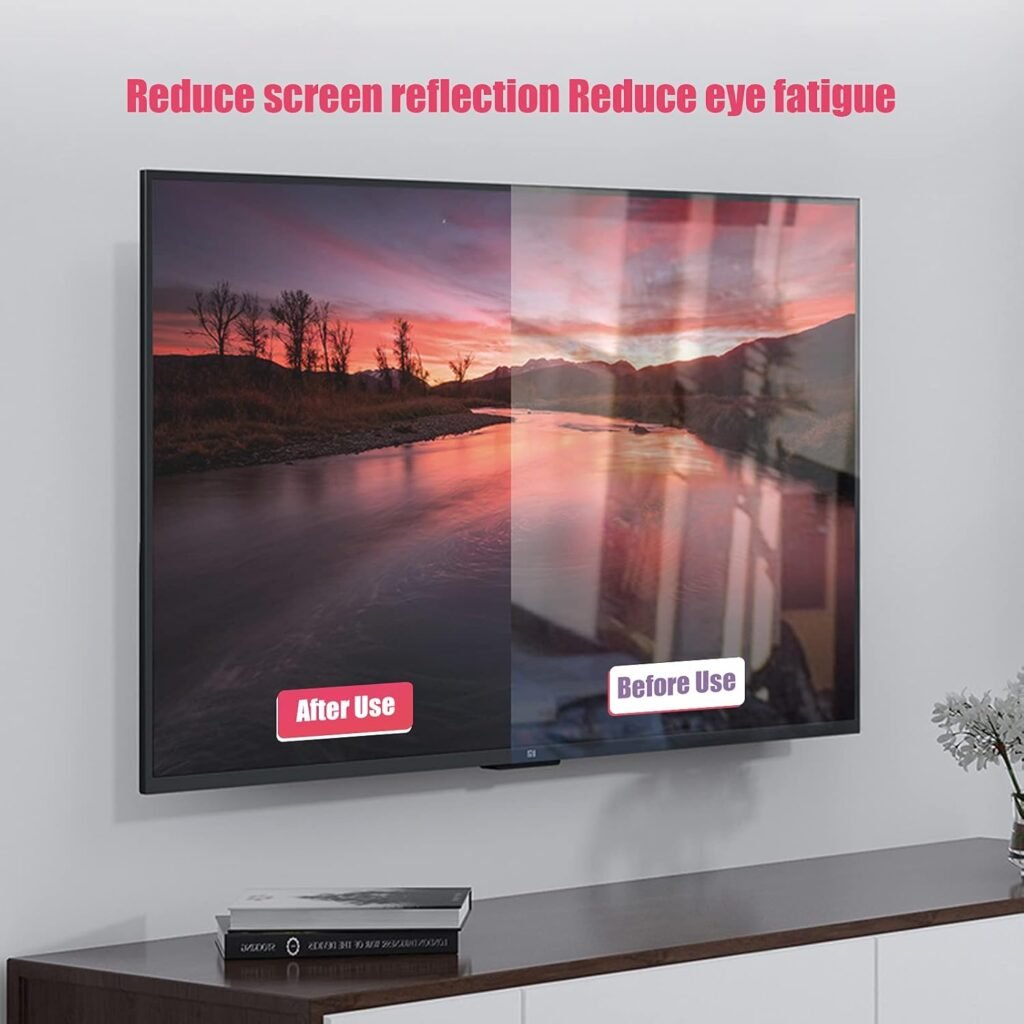
Reduced Visibility
Improve how clearly users can see through or into the surface.
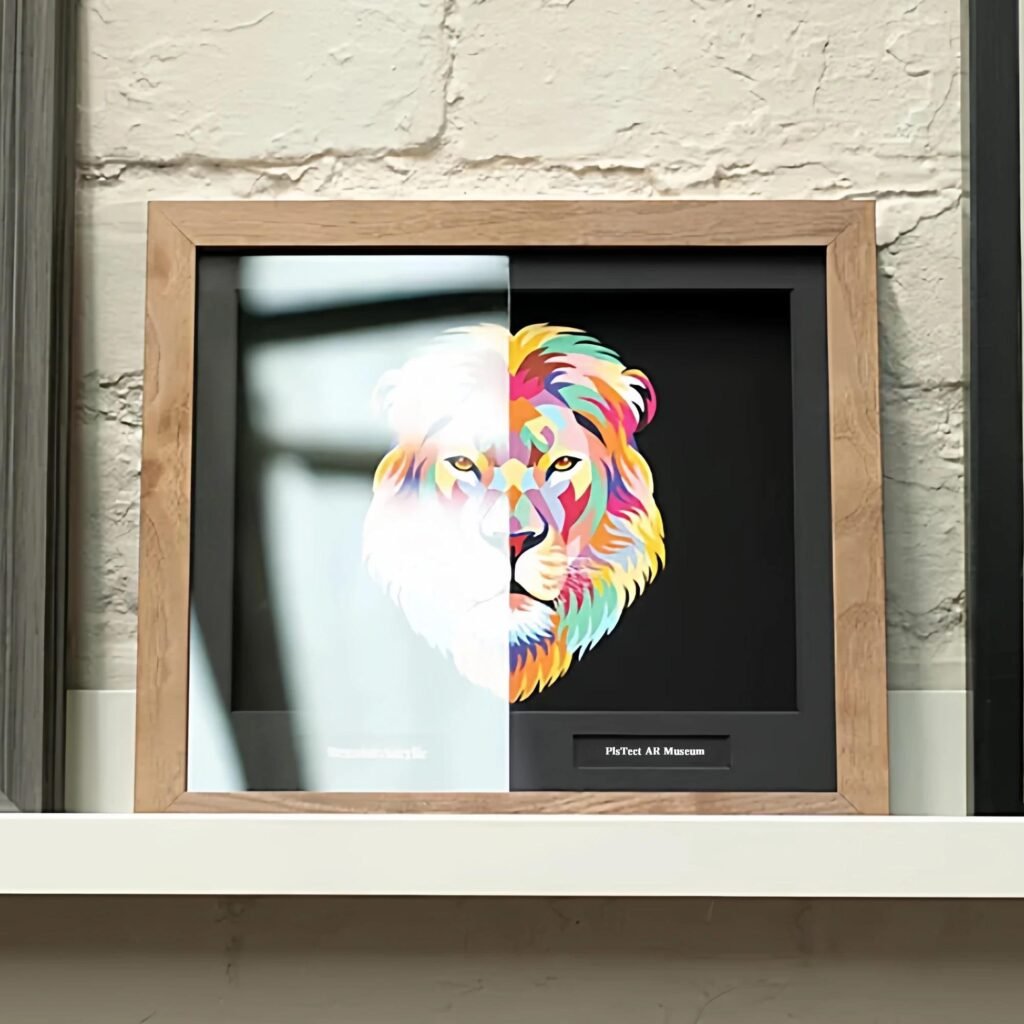
Lower Optical Clarity
Support sharper viewing with less surface reflection.
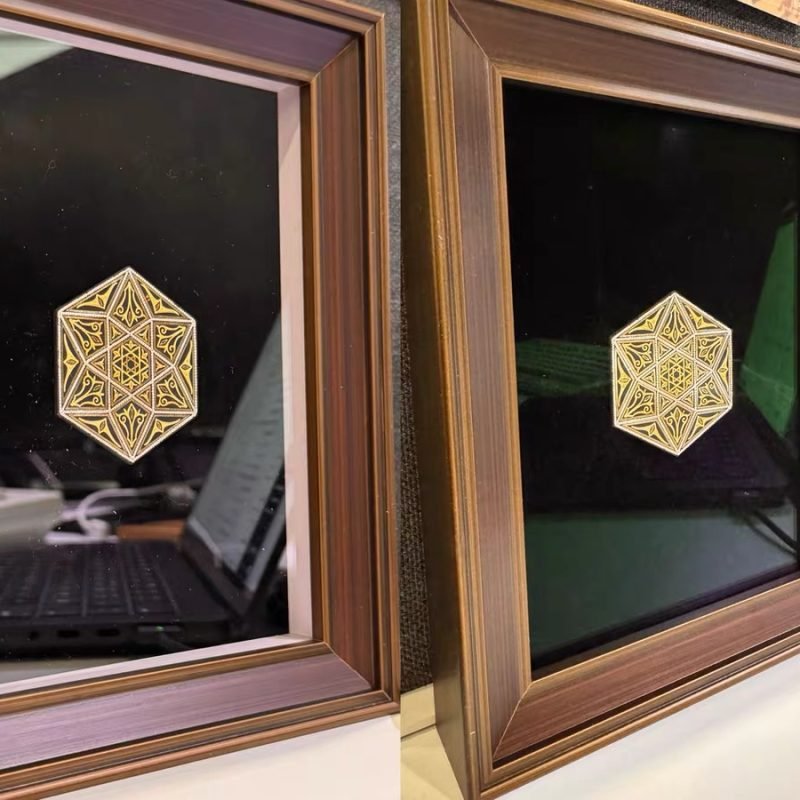
What Anti-Reflective Improves
PlsTect anti-reflective coatings are designed to reduce surface reflection and improve visible clarity through transparent surfaces. They are suitable for glass, plastic, film, and engineered transparent parts where optical clarity, display visibility, and surface appearance matter.
Surface Reflection
Reduce reflected light that interferes with visibility.
Optical Clarity
Help maintain a clearer view through the surface.
Display Visibility
Support better readability of visual content behind the cover.
Transmission Performance
Improve the effectiveness of light passing through the surface.
Transparent Components
Applicable to windows, covers, panels, and display-facing parts.
Project Fit
Can be considered according to substrate, performance target, and end use.
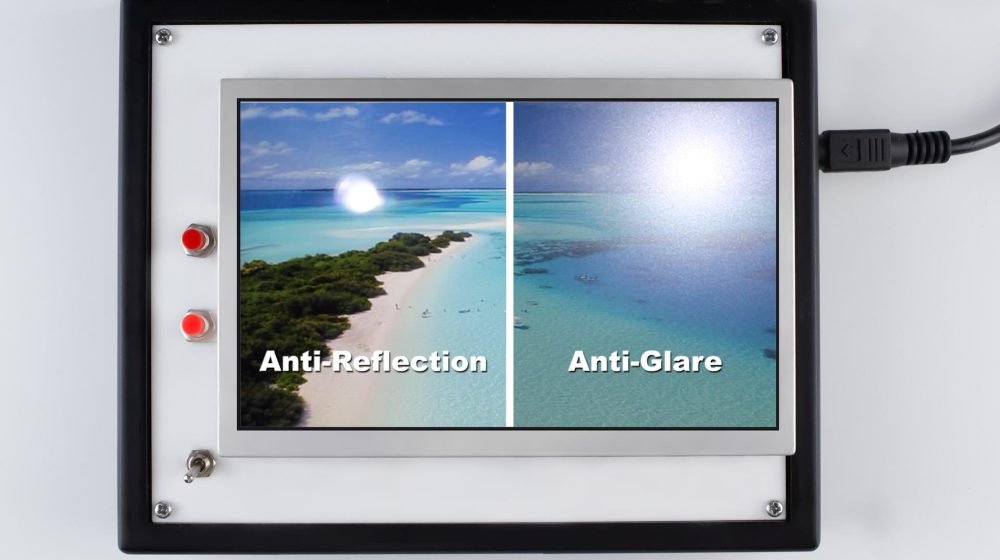
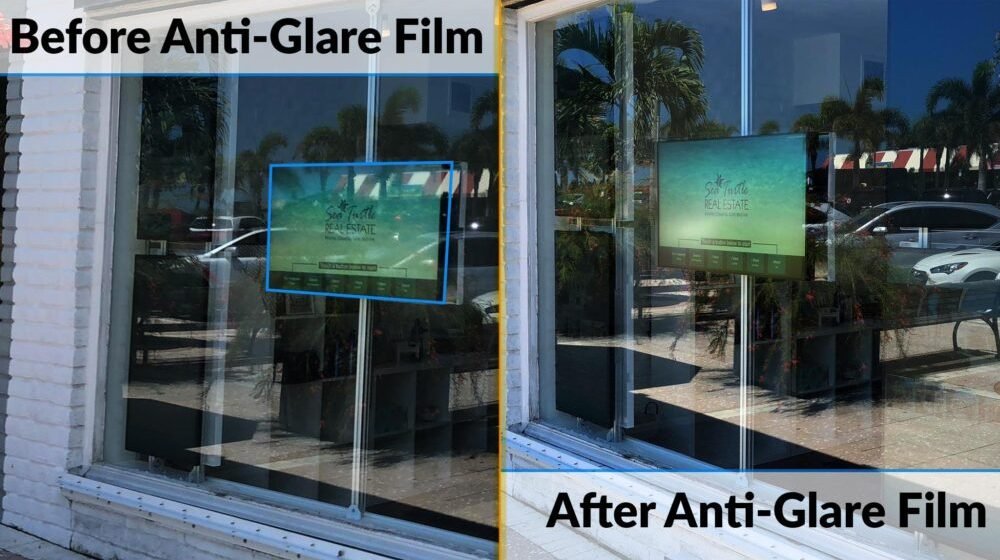
Anti-Reflective vs Anti-Glare
Anti-reflective coating is used when the priority is clearer viewing, lower surface reflection, and better optical transmission. Anti-glare treatment is used when the priority is reducing glare discomfort by diffusing reflected light. The right choice depends on whether the product requires maximum clarity, softer viewing comfort, or a balance of both.
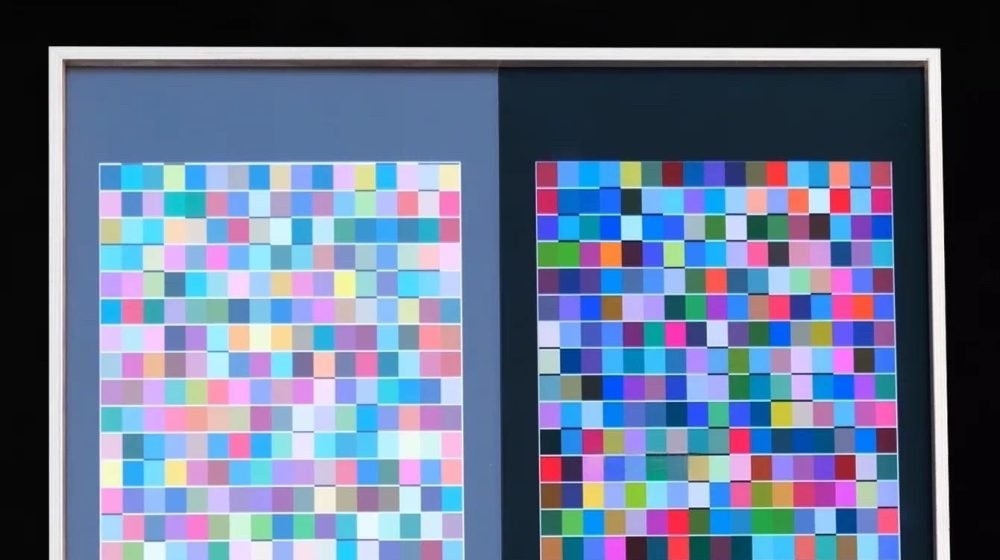
Property
Anti Reflection
Anti Glare
Primary Goal
Reduce surface reflection
Diffuse reflected light
Image Sharpness
High Clarity
Slightly softened
Reflection Appearance
Lower visible reflection
Scattered/diffused reflection
Surface Appearance
Clear / glossy
Matte / textured
Transmission Priority
High
Moderate to high, depending on haze
Glare Comfort
Improved by reflection reduction
Improved by light diffusion
Sparkle Risk
None
Possible
Fingerprint Visibility
Higher
Lower
*The right choice depends on whether the priority is maximum clarity or reduced glare distraction in real use conditions.
Measured AR Performance at PlsTect
Anti-reflective performance should be demonstrated by measurable optical results, not only a visual description. In comparative sample testing, PlsTect AR material achieved high visible transmission with low haze, reaching — and in this comparison slightly exceeding — the performance level of a premium international AR benchmark sample.
- 98.6% Transmission — measured on the PlsTect AR sample in this comparison
- 0.00 Haze — supports clean image clarity and premium optical appearance
- Benchmark-Level Result — comparable to, and in this test slightly better than, a premium AR benchmark sample
Performance values should be reviewed for each project based on substrate, thickness, coating structure, and test method.
Comparative Sample Reading From left to right:
standard transparent sample, PlsTect AR sample, and premium benchmark AR sample. In this measured comparison, the PlsTect sample recorded 98.6% transmission and 0.00 haze, compared with 92.7% transmission for the standard sample and 98.5% transmission / 0.53 haze for the benchmark AR sample.
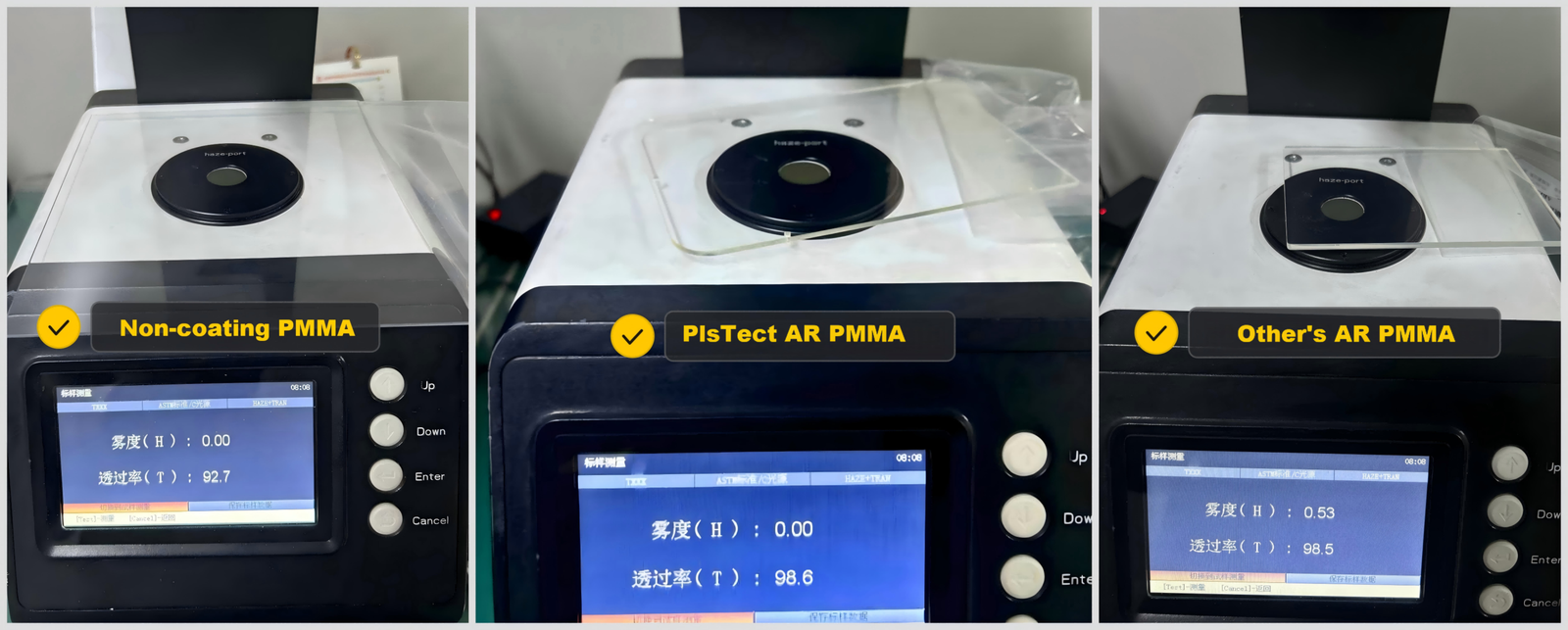
*Sample comparison shown for capability illustration. Final performance depends on substrate, thickness, coating structure, and validated test conditions.
AR Material Platforms & Optical Routes
Different AR material systems provide different balances between optical precision, durability, structural requirements, weight, and downstream integration compatibility.
AR Glass
High Transmission · Optical Precision · Outdoor Visibility
Designed for high-performance optical interfaces requiring maximum transmission, low reflectance, and long-term visibility stability.
Applications
- Outdoor Displays
- Optical Equipment
- Industrial HMI
- Inspection Interface
AR Polycarbonate
Lightweight · Impact Resistant · Industrial Interface
Combines reflection control with impact resistance and lightweight structural integration for industrial visibility applications.
Applications
- Machine Windows
- Automation Interfaces
- Equipment Protection
- Lightweight HMI
AR Acrylic
High Clarity · Display Grade · Indoor Optical Applications
A high-transmission route for indoor optical surfaces where visual appearance and lightweight integration are priorities.
Applications
- Indoor Displays
- Consumer Interfaces
- Display Covers
- Lightweight Optical Panels
AR Film
Thin Optical Stack · Laminated Structure · Flexible Integration
Thin-film AR structures designed for laminated displays and compact optical integration systems.
Applications
- Laminated Displays
- Optical Stack Integration
- Thin Display Structures
- Flexible Interface Systems
How to Select Anti Reflection Products
Anti-reflective performance depends on substrate, coating structure, surface quality, viewing angle, and the optical target of the finished product. PlsTect reviews the material platform before confirming the coating route.
Property
AR Glass
AR Polycarbonate
AR Acrylic
AR Films
Reflection Reduction
Excellent
Good
Good
Medium
Transmission
Excellent
Good
Excellent
Medium
Optical Precision
Excellent
Moderate
Good
Moderate
Scratch Resistance
Excellent
Good
Moderate
Low
Impact Resistance
Medium
Excellent
Good
Low
Outdoor Stability
Excellent
Good
Moderate
Limited
*The right choice depends on whether the priority is maximum clarity or reduced reflection in real use conditions.
Where Reflection Matters
In many industrial and commercial environments, reflected light is more than a visual distraction — it directly affects interface readability, operator accuracy, and user interaction.
As lighting complexity increases, standard transparent surfaces often struggle to maintain clear visibility. Reflections from sunlight, overhead illumination, machine lighting, or surrounding displays can reduce contrast and make critical information difficult to read.
PlsTect anti-reflective solutions are designed to improve optical clarity and maintain visual performance in environments where interface visibility matters.
Bright Industrial Lighting
Factory lighting, LED sources, and directional illumination can create strong surface reflections that interfere with display readability and operator interaction.
Outdoor & Semi-Outdoor Exposure
Sunlight and changing ambient light conditions often reduce screen visibility and increase visual fatigue in equipment interfaces and outdoor systems.
High-Contrast Display Systems
As displays become brighter and more detailed, reflected glare becomes increasingly noticeable, especially in touch interfaces and optical viewing areas.
Where Anti-Reflective Coated Parts Are Used
Anti-reflective coating is suitable for products where surface reflection reduces visibility, clarity, or display performance.
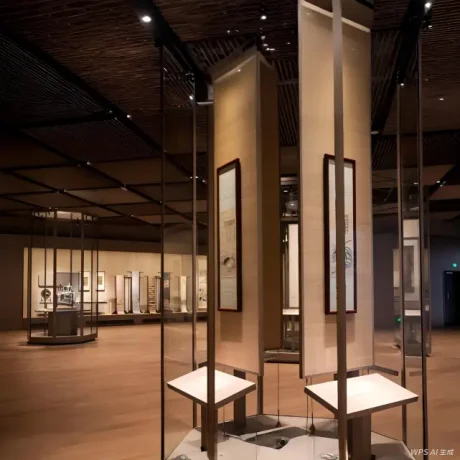
Museum & Exhibition Glazing
For museum displays, exhibition cases, artwork glazing, showcase windows, and high-value display covers where low reflection, clear viewing, surface durability, and object protection matter.
Display & Interface Covers
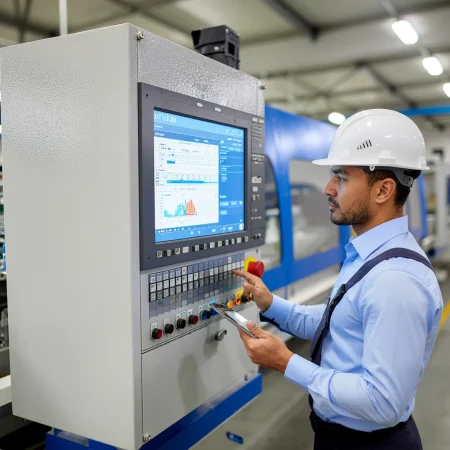
For display covers, touch panels, HMI panels, control interfaces, instrument windows, and monitoring screens where reflected light can reduce readability or operation.

Optical Covers &Lenses
For optical covers, protective lenses, camera windows, sensor windows, inspection covers, and transparent vision parts where reflection may interfere with imaging, monitoring, or light transmission.

Viewing Panels & Protective Windows
For machine windows, equipment viewing panels, transparent protective panels, enclosure windows, and observation covers where users need clearer viewing through a protected surface.
From Coating to Usable Parts
Coating selection is often only one part of the final product requirement.
When coated plastic, film, or glass needs to become a usable panel, cover, window, or interface surface, PlsTect can also review fabrication needs such as cutting, CNC machining, bending, forming, printing, bonding, and edge finishing.
This helps the selected surface function move closer to the final part form required by the application.
CNC Cutting and Milling
For coated panels, covers, windows, and custom parts that require accurate dimensions, openings, slots, or mounting features.
Hot Bending and Forming
For applications where the coated material needs to follow a curved, angled, or formed product structure.
Printing and Masking
For display covers, control panels, interface surfaces, decorative borders, logos, or protected visual areas.
Bonding and Lamination
For parts that require layered structures, film combinations, adhesive bonding, or assembled surface systems.
Edge Finishing
For panels, covers, and windows where edge quality, handling safety, appearance, or dimensional control matters.
Handling and Assembly Protection
For coated surfaces that need protection during fabrication, packaging, transport, installation, or final product assembly.
Cleaning and Long-Term Use
For parts that will be touched, wiped, cleaned, exposed, or repeatedly handled after fabrication.
Integrated Optical Surfaces
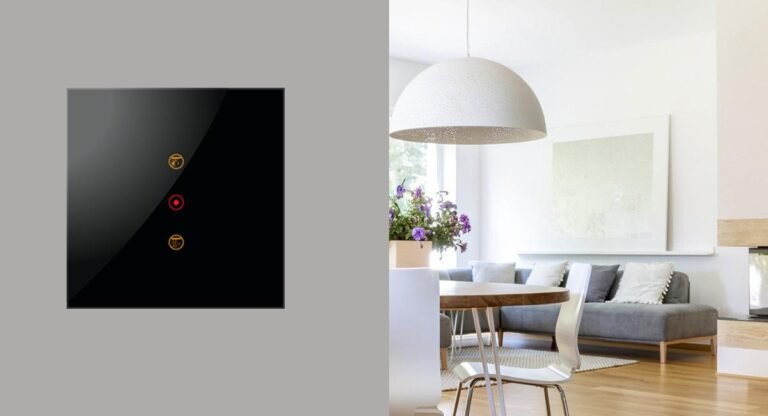
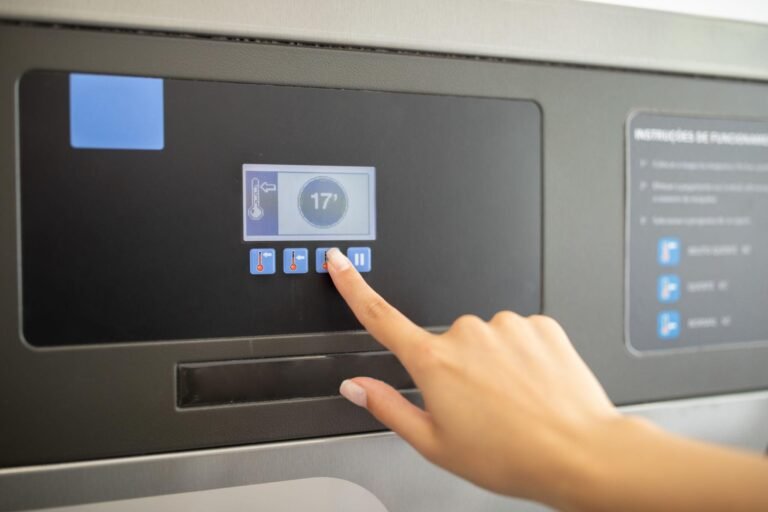
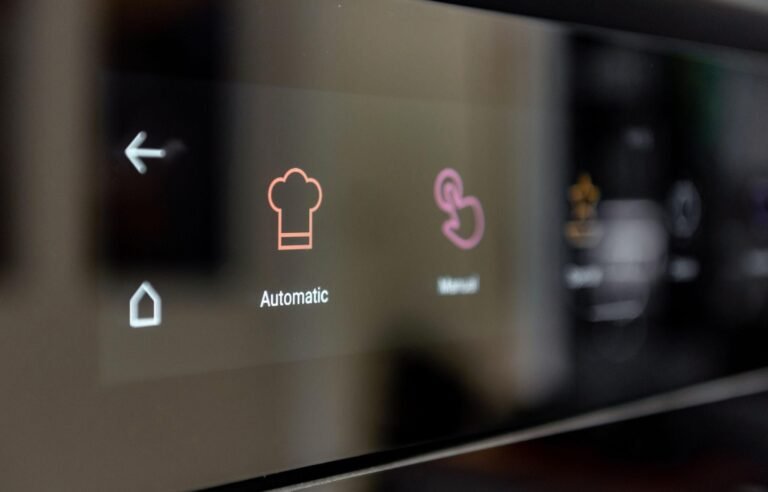
In certain applications, additional functional layers may be integrated to enhance system-level stability and performance.For environments with electronic interference or signal sensitivity, a conductive layer can be integrated to improve system stability.
Project Development at PlsTect
From concept definition to mass production implementation.
A structured engineering workflow ensures efficient development, performance validation, and reliable production implementation.
Requirements
Specifications and performance targets
Selection
Coating system definition
Sampling
Sample preparation for evaluation
Validation
Performance testing and confirmation
Pilot Study
Process stability verification
Production
Mass manufacturing implementation
* Early-stage technical communication significantly reduces development risk and timeline.
Related Support At PlsTect
Use this when the project begins with overlapping requirements such as clarity, hardness, cleanability, forming, weather exposure, or processing compatibility.
Surface Solutions Page
Use When You Need
Better surface durability and cleaning resistance
Requirements for thermoforming, bending, or curved parts
Reduced dust attraction and static build-up
Clearer viewing in humid or condensation-prone areas
Lower visual discomfort under strong lighting
Better stability for outdoor or semi-outdoor exposure
Supporting Page
Issues We do Help
Match surface functions with real product and operating requirements
Help with material matching, processing review, and sample discussion
Information about validation, testing, process control, and repeatability
Send drawings, samples, surface problems, or project requirements
FAQ
Find answers to common questions about anti reflective coating, application fit, and project evaluation.
What is the difference between anti reflective and anti glare coating?
Anti reflective coating is designed to reduce reflection and improve clarity through the surface.
Anti glare coating, by contrast, reduces glare discomfort by diffusing reflected light and creating a softer surface appearance.
The right choice depends on whether the priority is maximum transparency and clarity, or reduced glare in the viewing environment.
What materials can anti reflective coating be applied to?
Anti reflective coating can be considered for selected plastics, films, glass, and other engineered transparent surfaces, depending on the application requirements.
Material compatibility should be evaluated based on substrate type, thickness, optical target, and downstream processing needs.
Where is anti reflective coating typically used?
It is commonly used for display covers, viewing windows, instrument panels, protective transparent surfaces, and other components where reflection interferes with visibility or clarity.
It is especially relevant when optical performance and transparency are important to the end application.
Can anti reflective coating be customized for different applications?
Yes. The coating direction should be evaluated according to the optical target, substrate, lighting environment, fabrication route, and end-use conditions.
A practical solution often depends on how the surface will actually be used in the final product.
How do I know whether anti reflective coating is suitable for my project?
A suitable coating direction depends on what needs to be improved — for example reflection control, optical clarity, display visibility, or overall viewing performance.
If you can share the substrate, product form, and application environment, the coating approach can be evaluated more effectively.
What factors matter when evaluating an AR coating project?
Typical considerations include reflection target, clarity requirement, substrate, thickness, lighting conditions, fabrication needs, and end-use environment.
Can PlsTect support application-based coating discussions?
Yes. PlsTect approaches coating projects by looking at the actual use scenario, surface goal, material selection, and downstream processing requirements.
Can you supply finished panels or only coated materials?
We primarily provide coating solutions for plastics and glass.
Depending on the project, we can also support delivery as ready-to-integrate interface panels by combining coating with patterning and structural processing.
Can your solutions be adapted to specific application environments?
Yes. Our coating solutions are developed based on application needs.
In more complex environments, additional functional layers can be considered to enhance overall interface performance and stability.
Start Your Project Review
Share your performance requirements, typically we will respond with recommendations.