

Engineered Surfaces for Optical Interfaces
Functional coating and surface solutions for display covers, optical windows, touch interfaces, and transparent control panels where clarity, durability, and usability must work together.
Surface Performance Is a Balance of Multiple Requirements
Display covers are widely used in industrial control panels, consumer electronics, and various optical interfaces.
These surfaces must maintain high optical clarity while withstanding frequent contact, cleaning, and environmental exposure.
Without appropriate surface protection, plastic and glass covers can quickly suffer from scratches, glare, and fingerprint contamination, which reduces visibility and user experience.
PlsTect surface coatings help manufacturers improve durability and optical performance of display covers across demanding applications.
Transparent interface surfaces are expected to perform far beyond basic visibility.
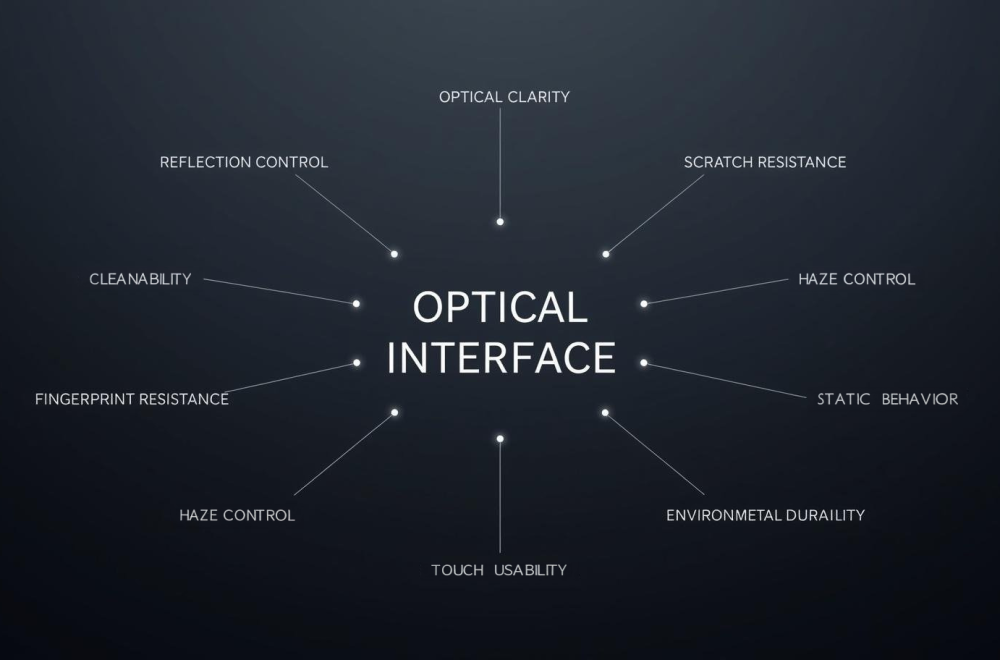
In real operating environments, display covers and optical windows often need to balance reflection control, scratch resistance, touch usability, cleanability, environmental durability, and optical clarity — simultaneously.
Improving one surface characteristic may influence another. A successful optical interface therefore depends not only on coating performance, but on the correct balance between materials, textures, coating routes, and environmental requirements.
Common Surface Challenges in Optical Interfaces
Reflection & Glare
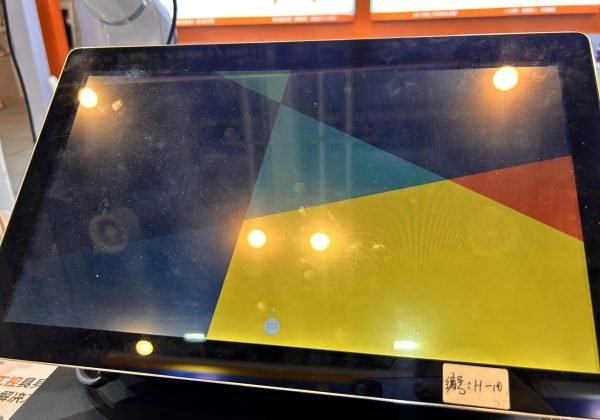
Strong ambient lighting, direct sunlight, and machine illumination can reduce display readability and visual comfort. Reflection control becomes critical for operator interfaces, outdoor displays, and optical viewing windows.
Optical Haze & Diffusion
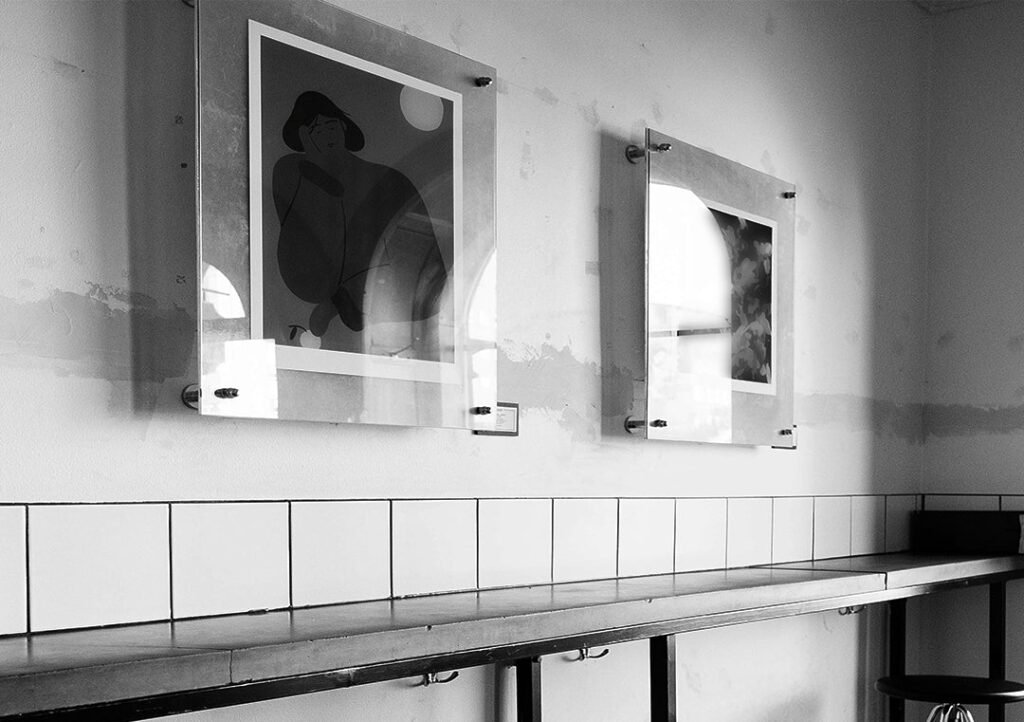
Surface textures and coating structures may influence image sharpness, contrast, and transmission performance. Managing haze while controlling glare is often a key optical balance.
Static Dust Attraction
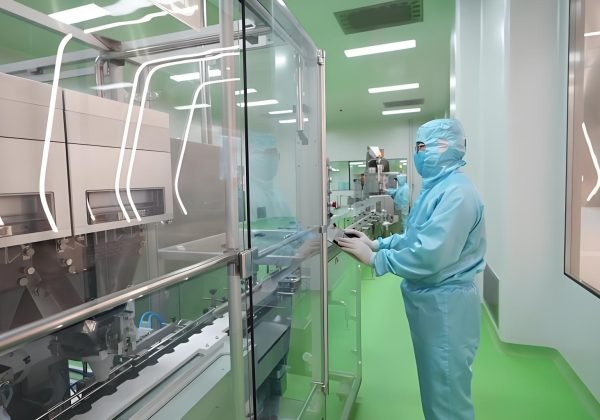
Electrostatic charge can attract airborne particles onto transparent surfaces, reducing cleanliness and visibility in optical equipment, automation systems, and clean environments.
Fingerprints & Surface Smudging
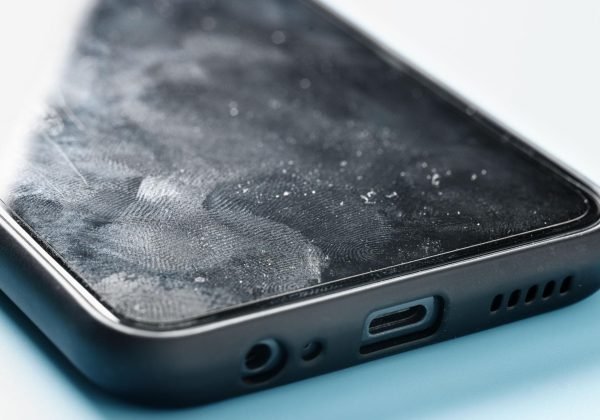
Touch interaction frequently introduces fingerprints, oil contamination, and surface smearing that reduce visual clarity and perceived product quality.
Cleaning Damage & Micro Scratches
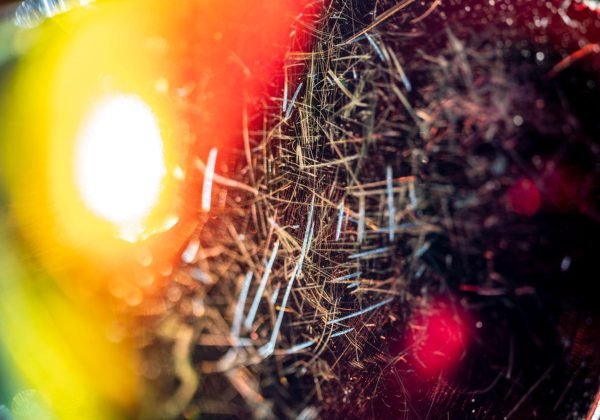
Repeated wiping, chemical cleaning, and abrasive particles can gradually damage transparent surfaces, causing haze, fine scratches, and reduced optical quality over time.
Environmental Exposure

Outdoor use, humidity, UV exposure, and temperature fluctuations may accelerate coating degradation, visibility issues, and long-term surface instability.
Surface Performance Routes for Optical Interfaces
Different interface environments require different combinations of optical, mechanical, and surface-performance characteristics.
Performance Objective
Recommended Surface Route
Reduce direct reflection
Improve readability under lighting
Increase scratch resistance
Reduce fingerprint visibility
Prevent dust accumulation
Maintain visibility in humid conditions
Cleanroom optical surfaces
Balance durability and optical clarity
Outdoor display usability
Multi-layer optical route
Touch interface durability
HC + AF route
In many optical interface applications, performance requirements cannot be achieved through a single coating alone. Surface functionality often depends on the compatibility between substrate material, coating structure, texture design, environmental exposure, and downstream processing.
Optical Surface Performance Starts with the Right Substrate
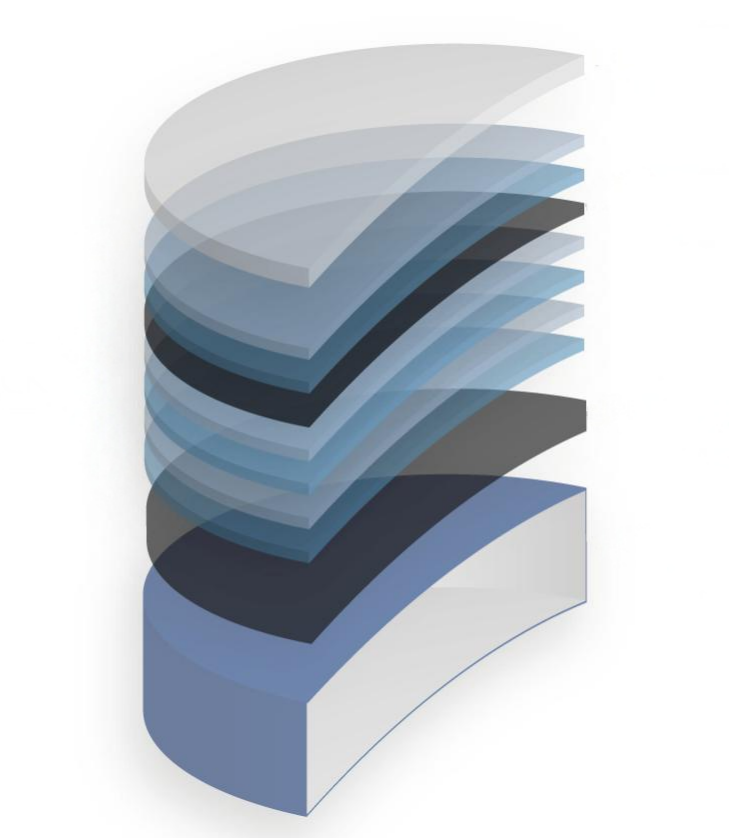
Coating performance is closely connected to substrate behavior.
Optical clarity, impact resistance, thermoforming compatibility, chemical durability, and long-term stability may all vary depending on the selected material structure. For many optical interface applications, substrate selection is an essential part of surface performance engineering.
Polycarbonate(PC)
High impact resistance and thermoforming flexibility. Surface hard coating is often required to improve scratch resistance and long-term optical durability.
Acrylic(PMMA)
Acrylic provides excellent optical clarity and surface appearance. It is commonly used in display covers and optical applications where visual quality is prioritized over impact resistance.
Glass vs Coated Polymer
Glass offers excellent surface hardness and chemical resistance, while coated polymer structures may provide lower weight, improved impact resistance and processing flexibility.
Film, Sheet & Laminated Structures
Optical interface performance may also depend on multilayer structures, laminated assemblies, or coated films integrated into larger interface systems.
Beyond Coating: Functional Transparent Component Processing
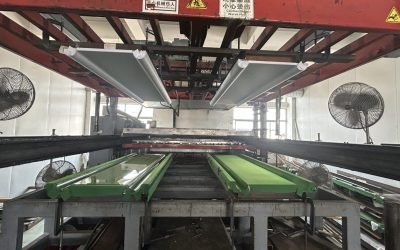
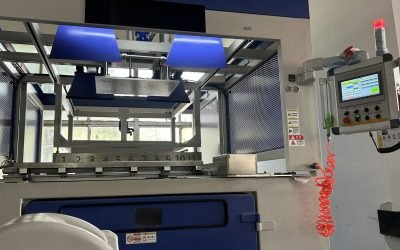
In many optical and display interface applications, surface performance must remain compatible with downstream fabrication and component processing requirements.
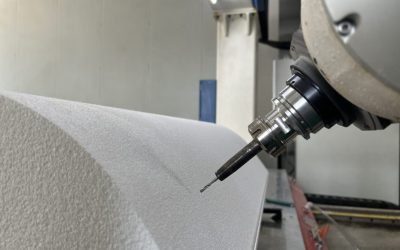
Transparent components may require CNC machining, thermoforming, polishing, printing, bending, or laminated structures after coating selection. Material behavior, coating compatibility, and processing conditions therefore need to be considered together during product development.
Processing Considerations
- CNC machining compatibility
- Thermoforming considerations
- Surface durability after forming
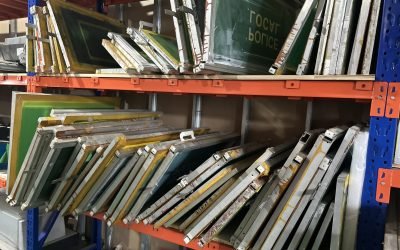
- Printing & graphic integration
- Polishing & optical finishing
- Laminated transparent structures
Start Your Coating Discussion
Share your performance requirements, typically we will respond with recommendations.