

Anti-Glare Coating Solution
for Displays & Interfaces
PlsTect anti-glare coating solutions help reduce disturbing reflected glare and improve readability on display covers, HMI panels, equipment interfaces, viewing windows, and transparent protective parts used under bright or variable lighting.
When Glare Matters
In many real-world environments, reflected glare can interfere with visibility, user interaction, and overall product experience.
Anti-glare coating helps diffuse harsh reflected light and create a more comfortable viewing surface without requiring major structural changes to the product.
It is especially useful for surfaces that need to be read, observed, or operated under ambient light, overhead lighting, or variable illumination conditions.
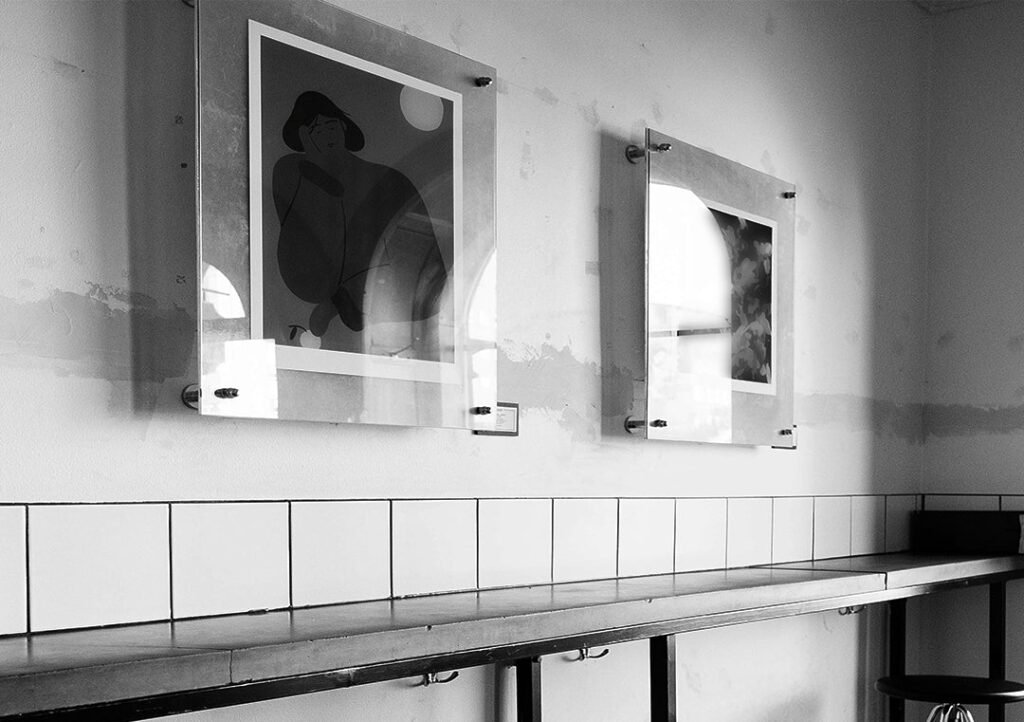
Harsh Glare
Reduce bright reflected light that distracts users.
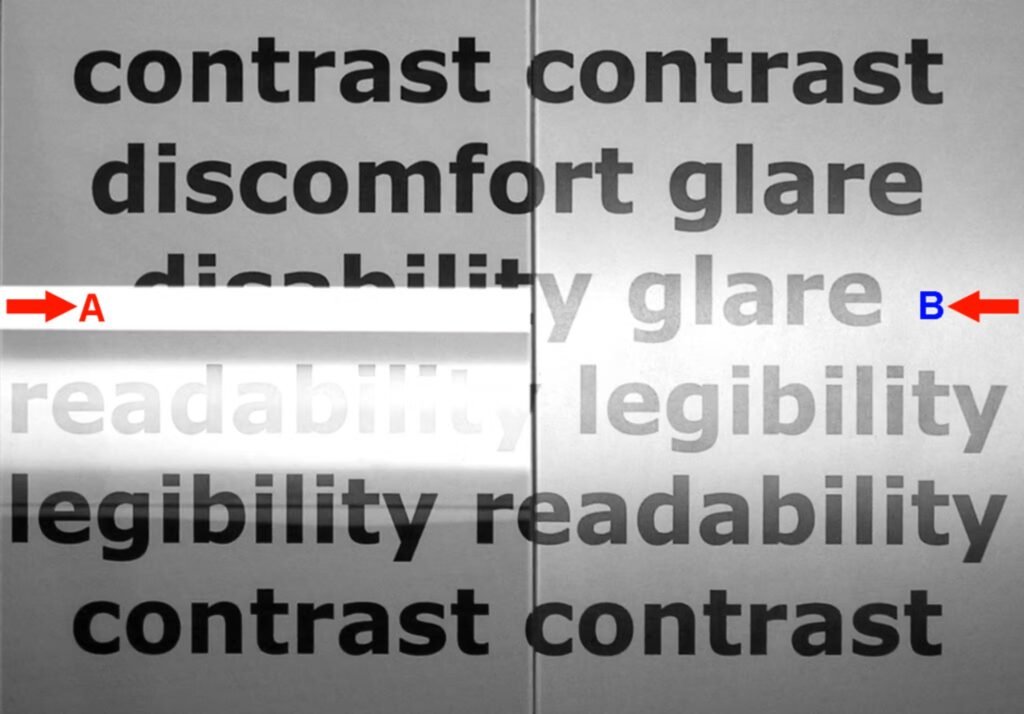
Poor Readability
Support clearer interface visibility in difficult lighting.
Visual Fatigue
Improve viewing comfort during repeated or prolonged use.

What Anti-Glare Improves
PlsTect anti-glare coatings are designed to control surface light scattering to reduce glare while maintaining clarity and image quality. The coatings improve readability on plastic substrates such as acrylic and polycarbonate while supporting durability and compatibility with industrial environments.

Improved Readability
Make surfaces easier to read under ambient light.
Glare Control
Help reduce concentrated bright reflection areas.
Visual Comfort
Support a more comfortable user experience.
Surface Usability
Enhance usability for display and interface-related parts.
Material Fit
Applicable to selected plastics, films, and engineered surfaces.
Project Fit
Adjustable according to application, substrate, and use conditions.
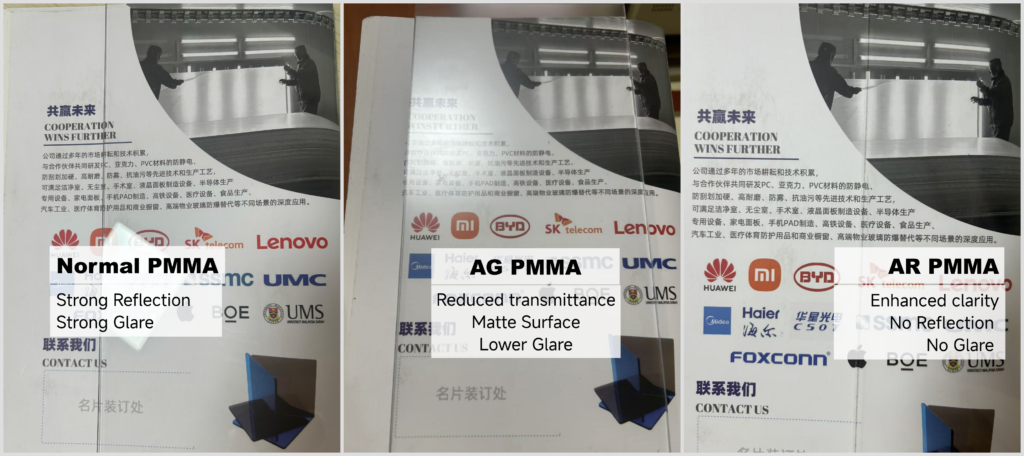
Anti-Glare vs Anti-Reflective
These two solutions are often confused, but they serve different optical purposes.
Property
Anti-Glare
Anti-Reflection
Primary Goal
Reduce glare discomfort
Reduce reflection and improve clarity
How It Works
Diffuses reflected light
Minimizes light reflection to increase transmission
Visual Effect
Creates a softer surface appearance
Creates a clearer, more transparent appearance
Best For
Readability and visual comfort under ambient light
Applications where optical clarity is critical
*The right approach depends on the lighting environment, optical target, and how the surface is actually used.
How We Review Anti-Glare Performance
Anti-glare is not selected by haze value alone. The right surface depends on how the part will be viewed, touched, cleaned, illuminated, and integrated into the final product.
| AG Range | Typical Haze Range | Glare Control | Image Clarity | Best-Fit Products | Typical Lighting Conditions | Project Notes |
|---|---|---|---|---|---|---|
| Light AG | 1–10% | Mild glare reduction | High clarity and sharp image detail | Display covers, touch panels, optical covers, instrument windows | Indoor use, low to moderate ambient light | Suitable when the product still needs a clear, premium surface appearance with only light glare control. |
| Balanced AG | 10–30% | Moderate glare diffusion | Balanced readability and clarity | HMI panels, control interfaces, equipment displays, protective covers | Mixed indoor light, overhead lighting, semi-bright environments | Often used when readability and visual comfort matter, but image sharpness should not be overly softened. |
| Strong AG | 30%+ | Strong light diffusion | Softer image appearance | Outdoor displays, kiosks, transport displays, high-glare interface panels | Sunlight, harsh direct light, strong reflected light | Suitable when glare reduction is more important than maximum sharpness. Sparkle, graininess, and transmission loss should be reviewed. |
AG Material Options
Anti-glare performance is not achieved through a single material or process route. Different substrates and surface structures create different balances between optical clarity, durability, impact resistance, weight, and process compatibility.
Etched AG Glass
Optical Stability · Durable Surface · Outdoor Readability
Preferred for industrial displays and touch interfaces requiring long-term optical stability, scratch resistance, and premium surface durability.
AG Polycarbonate
Impact Resistant · Lightweight · CNC Machinable · Protective Window
Designed for lightweight industrial interfaces and protective windows where glare reduction must coexist with impact resistance and machinability.
AG Acrylic
UV Resistant · Lightweight · CNC Machinable · Cost Effective
Offers high optical clarity and refined surface appearance for indoor display and interface applications.
AG Film
Excellent Optical Performance · Lightweight
Thin laminated AG structures used in lightweight display integration and flexible surface architectures.
AG Option Comparison
Property
AG Glass
AG Polycarbonate
AG Acrylic
AG Films
Optical Clarity
Excellent
Good
Excellent
Medium
Impact Resistance
Medium
Excellent
Good
Low
Weight
Heavy
Good
Medium
Low
Surface Durability
Excellent
Good
Medium
Low
Machinability
Moderate
Excellent
Excellent
Limited
Outdoor Stability
Excellent
Good
Moderate
Limited
*Depends on hard-coat structure and cleaning environment.
Choosing the Right AG Selection
PlsTect AG selection depends on balancing optical performance, durability, structural requirements, and downstream integration.
Selecting the correct anti-glare route is not only about reducing reflection. Industrial environments often require balancing visibility, durability, impact resistance, cleanability, weight, and downstream processing compatibility.
In many projects, AG performance is further integrated with additional surface functions including anti-reflective, anti-fingerprint, hard-coat, anti-static, or optical bonding structures.
Available Product Forms
PlsTect supports anti-glare coating on selected glass, plastic sheets, films, panels, covers, windows, and custom transparent parts. The coating route should be reviewed according to substrate, haze target, gloss requirement, surface texture, fabrication process, cleaning exposure, and final use conditions.
AG Glass
Display glass, touch glass, HMI covers, instrument windows
AG Plastic Sheets
Polycarbonate sheets, acrylic sheets, transparent panels, protective covers
AG Films
Display films, laminated films, protective layers, interface-facing films
Finished Transparent Parts
Display covers, control panels, viewing windows, equipment interfaces, custom coated parts
Where Anti-Glare Is Used
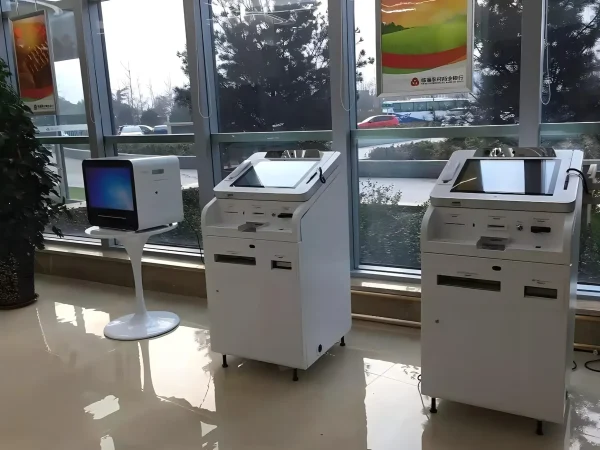
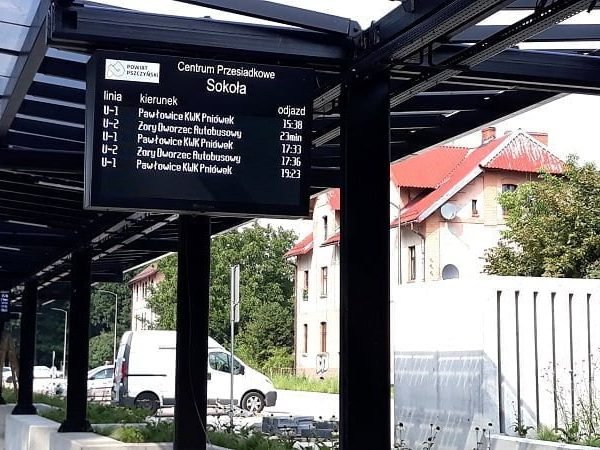
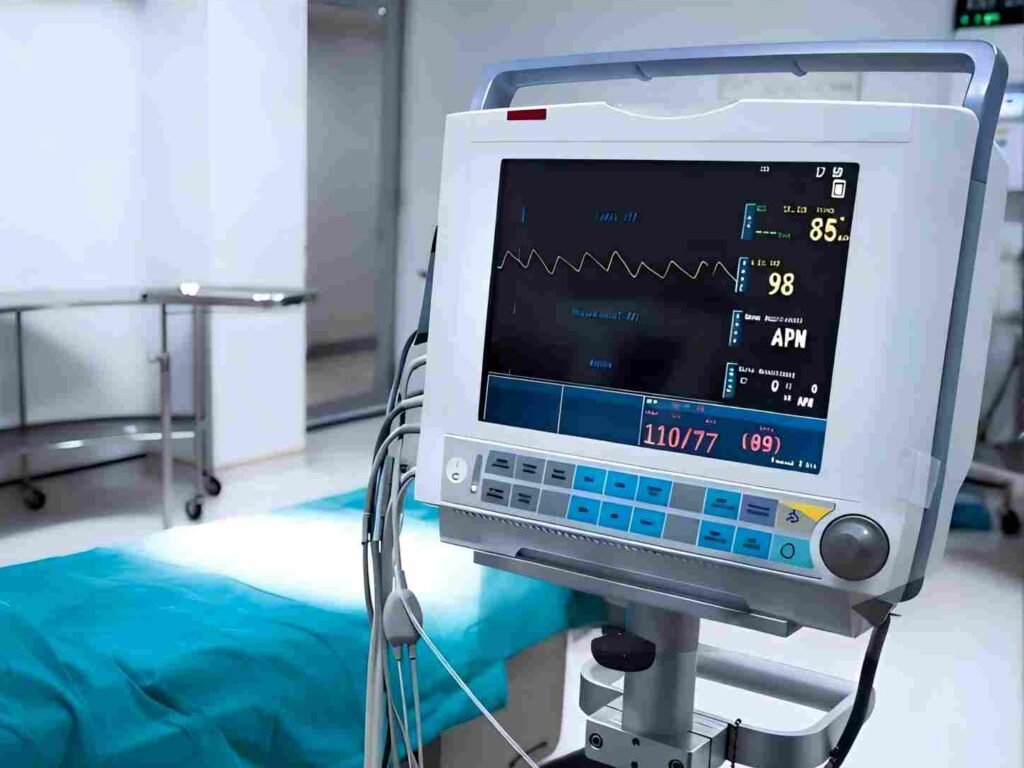
Anti glare coating is suitable for products where reflected glare affects usability, readability, or visual comfort.
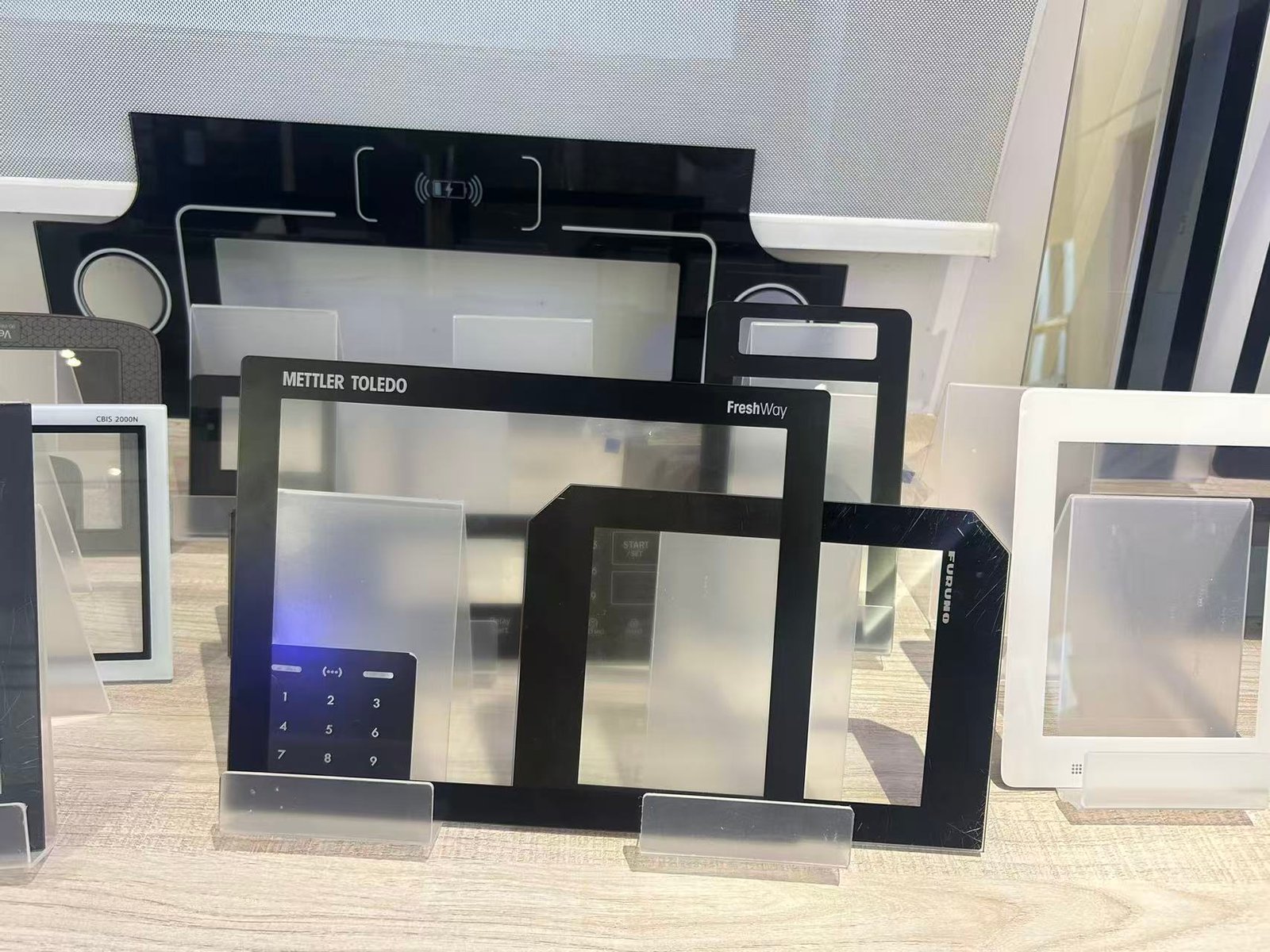
Instrument Windows
Create stable visual performance under ambient light.
From Coating to Usable Parts
Coating selection is often only one part of the final product requirement.
When coated plastic, film, or glass needs to become a usable panel, cover, window, or interface surface, PlsTect can also review fabrication needs such as cutting, CNC machining, bending, forming, printing, bonding, and edge finishing.
This helps the selected surface function move closer to the final part form required by the application.
CNC Cutting and Milling
For coated panels, covers, windows, and custom parts that require accurate dimensions, openings, slots, or mounting features.
Hot Bending and Forming
For applications where the coated material needs to follow a curved, angled, or formed product structure.
Printing and Masking
For display covers, control panels, interface surfaces, decorative borders, logos, or protected visual areas.
Bonding and Lamination
For parts that require layered structures, film combinations, adhesive bonding, or assembled surface systems.
Edge Finishing
For panels, covers, and windows where edge quality, handling safety, appearance, or dimensional control matters.
Handling and Assembly Protection
For coated surfaces that need protection during fabrication, packaging, transport, installation, or final product assembly.
Cleaning and Long-Term Use
For parts that will be touched, wiped, cleaned, exposed, or repeatedly handled after fabrication.
Quality Control
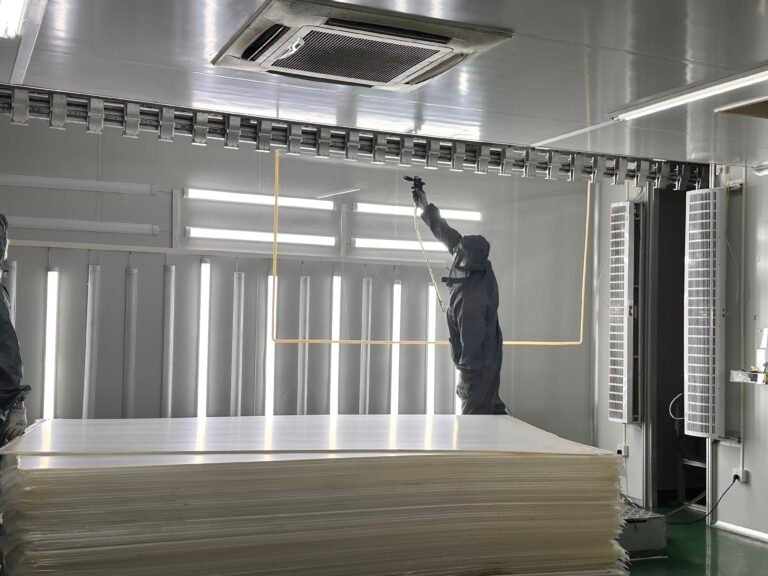
Stable anti-glare performance requires not only coating design, but also controlled surface preparation, coating uniformity, curing, inspection, and batch-to-batch consistency.
PlsTect production systems are designed to ensure repeatable performance from prototype to mass production.
Key control factors include:
Controlled coating environment
Thickness consistency management
Adhesion verification protocols
Batch-to-batch repeatability control
Optical and surface inspection procedures
Surface Preparation
Material surfaces are cleaned and prepared using controlled procedures to ensure optimal coating adhesion and consistency.
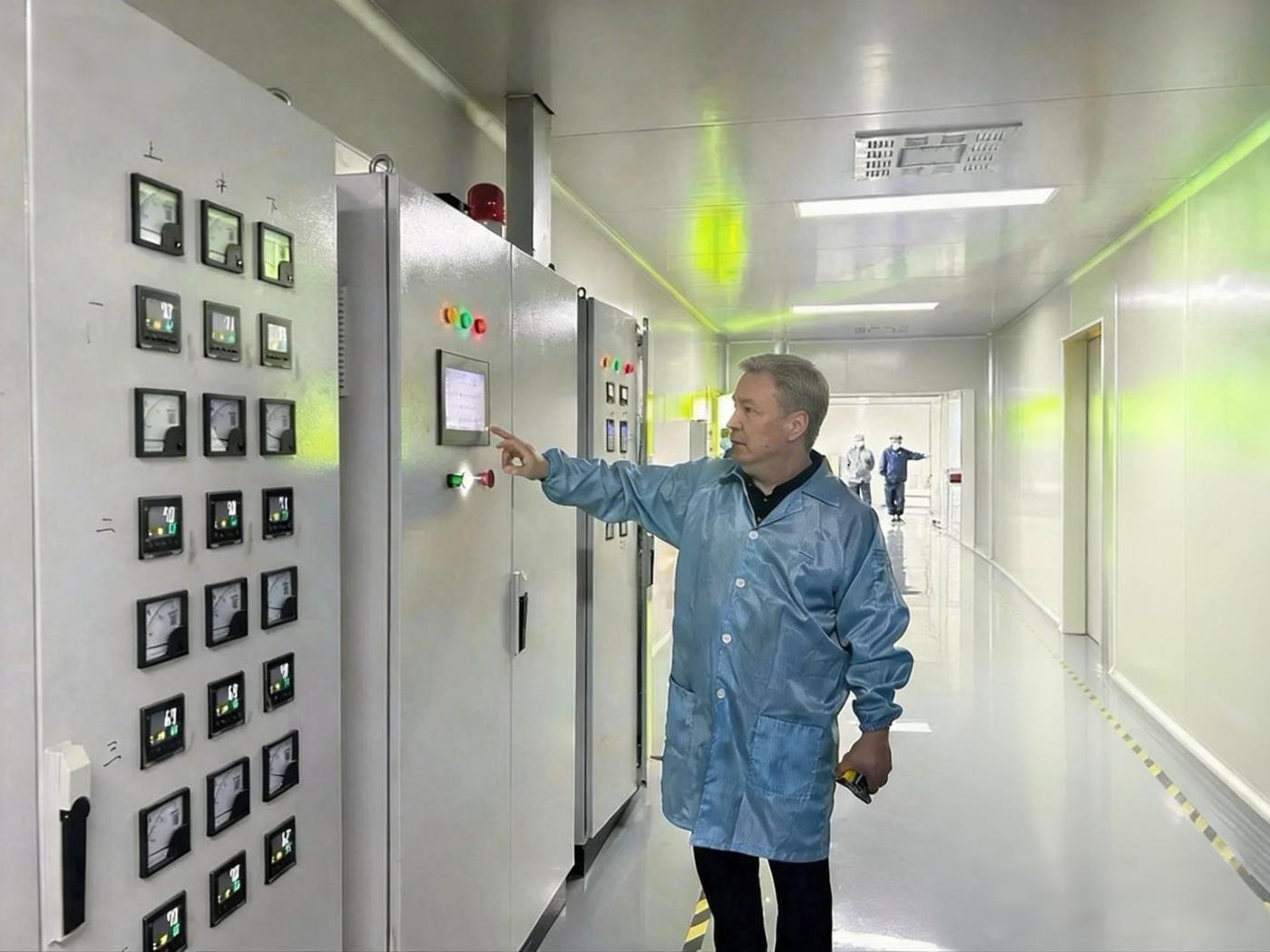
Coating Control
Coating thickness, viscosity, and environmental conditions are carefully monitored to maintain uniform performance across batches.
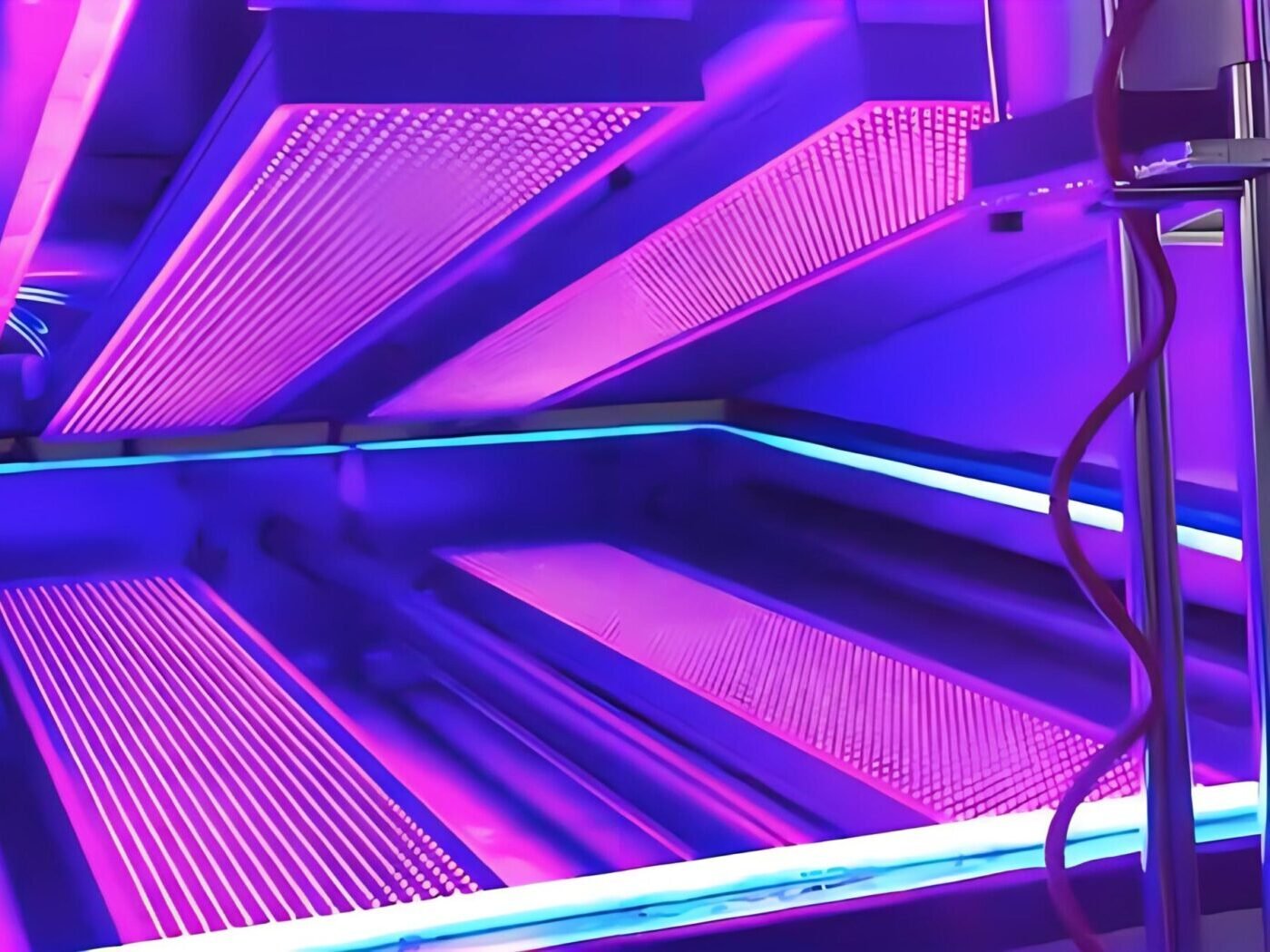
Curing Process
UV or thermal curing parameters are optimized to achieve the required hardness, adhesion, and durability.
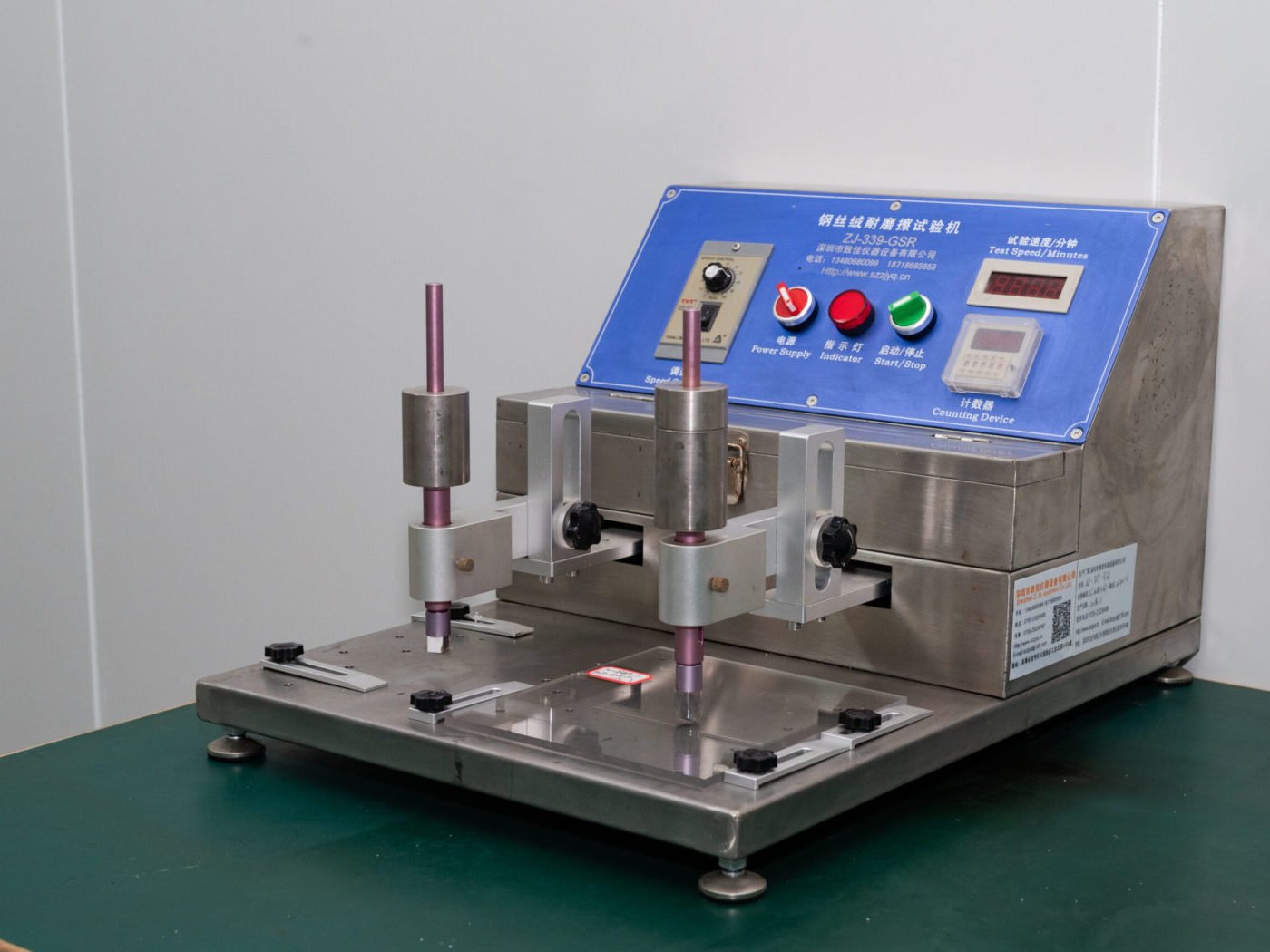
Inspection
Samples undergo optical inspection and performance testing to confirm compliance with project specifications.
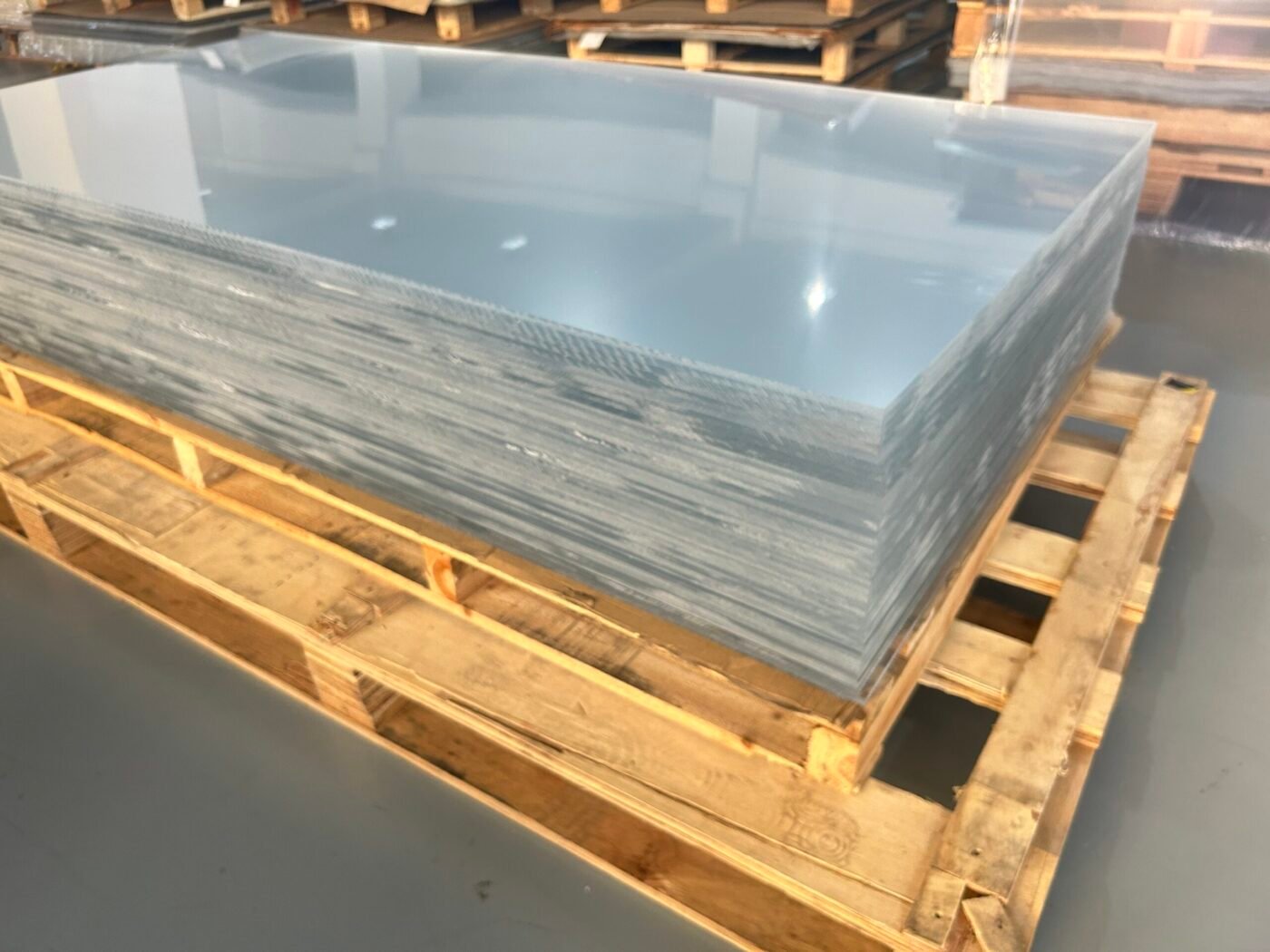
Consistency Control
Production batches are monitored to ensure repeatability, traceability, and long-term performance reliability.
*From initial sampling to full-scale production, coating performance remains stable and predictable.
Project Development Workflow
From concept definition to mass production implementation.
A structured engineering workflow ensures efficient development, performance validation, and reliable production implementation.
Requirements
Specifications and performance targets
Selection
Coating system definition
Sampling
Sample preparation for evaluation
Validation
Performance testing and confirmation
Pilot Study
Process stability verification
Production
Mass manufacturing implementation
* Early-stage technical communication significantly reduces development risk and timeline.
FAQ
Find answers to common questions about anti-glare coating, application fit, and project evaluation.
What does anti glare coating do?
Anti glare coating helps reduce disturbing surface glare and improve readability and visual comfort under bright or complex lighting.
Does anti glare affect clarity?
Anti glare coatings may slightly reduce sharpness depending on design, but improve overall visibility in bright environments.
How is anti glare different from anti reflective coating?
Anti glare diffuses reflected light to reduce glare discomfort, while anti reflective coating reduces reflection to improve optical clarity and transparency.
What materials can anti glare coating be used on?
Depending on the application, it can be considered for selected plastics, films, glass, and engineered surfaces.
Can anti-glare be combined with other surface functions?
Yes. Anti-glare coatings are often combined with other surface treatments such as anti-fingerprint, anti-scratch, or optical enhancement to meet specific application requirements.
In some cases, additional functional layers can also be integrated to support overall interface performance.
How can I evaluate if anti glare coating fits my project?
If glare, readability, or viewing comfort is a concern, the coating direction can be assessed based on your product form and use environment.
What factors matter when evaluating an AG coating project?
Typical considerations include glare-reduced target, clarity requirement, substrate, thickness, lighting conditions, fabrication needs, and end-use environment.
Can you supply finished panels or only coated materials?
We primarily provide coating solutions for plastics and glass.
Depending on the project, we can also support delivery as ready-to-integrate interface panels by combining coating with patterning and structural processing.
Can anti-glare coatings be applied to finished panels with printing or cut-outs?
Yes. Anti-glare coatings can be applied to pre-processed panels, including those with printed patterns, cut-outs, or specific interface structures.
This allows the coating to be integrated into the final interface without affecting its design or functionality.
Can your solutions be adapted to specific application environments?
Yes. Our coating solutions are developed based on application needs.
In more complex environments, additional functional layers can be considered to enhance overall interface performance and stability.
Start Your Project Review
Share your performance requirements, typically we will respond with recommendations.