

Weather-Resistant Surface Solutions
Weather-resistant coated plastic, film, and glass surfaces for outdoor panels, display covers, equipment covers, and transparent protective products.
Outdoor Use Changes Materials
Outdoor exposure is not a single condition. It combines sunlight, UV radiation, temperature change, rain, humidity, dust, cleaning, and repeated handling over time.
For plastic sheets, films, glass covers, and coated panels, these conditions may gradually affect transparency, color stability, surface strength, and the final product’s performance in use.
That is why weather resistance should be reviewed as part of the complete product route — including material choice, coating performance, product thickness, exposed side, fabrication method, and final application environment.
Weather resistance is not only about keeping a surface looking new. It helps the finished product remain usable for longer in outdoor and light-exposed conditions.
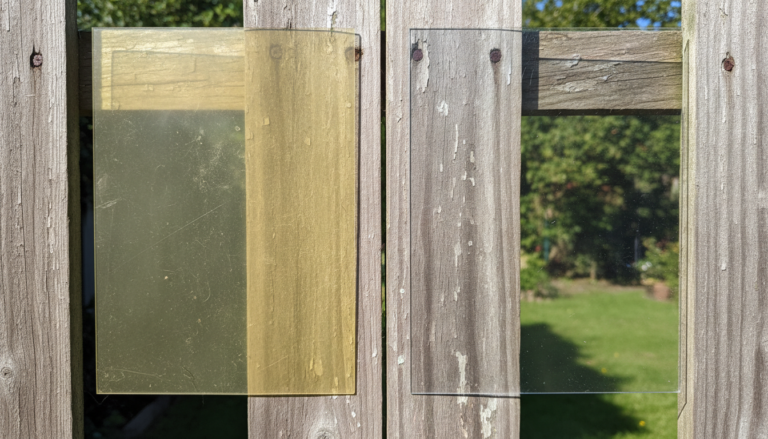
Common Signs of Weathering
When materials are used outdoors or under strong light exposure, performance changes often appear gradually. Some changes are visual, while others affect cleaning, handling, durability, or replacement cycles.
Yellowing
Haze
Surface Dullness
Cracking
Coating Wear
Reduced Transparency
Poor Cleanability
Shorter Service Life
What Weather Resistance Supports
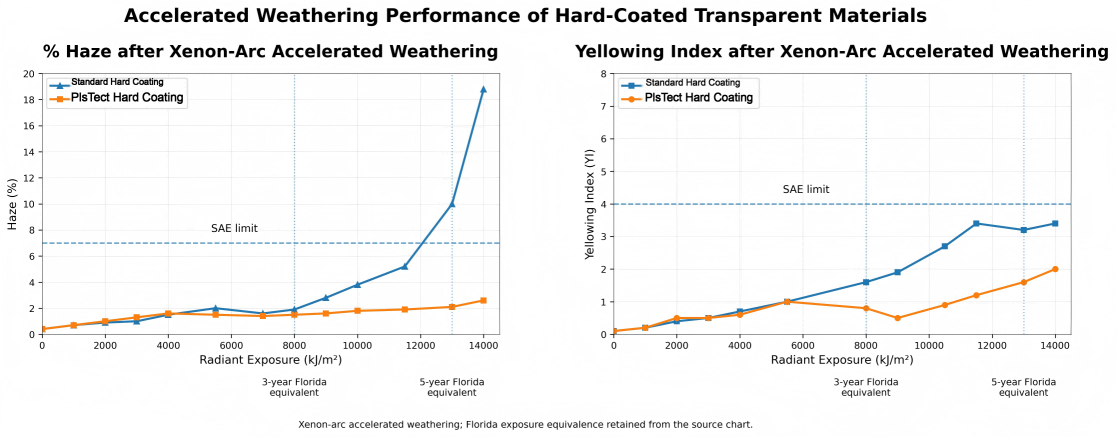
A weather-resistant coating is used to help outdoor-facing materials maintain more stable performance over long-term exposure. Depending on the product and environment, it may support color stability, optical clarity, surface durability, cleaning behavior, and longer usable life.
For OEM products, this is especially important. A cover, window, display surface, or protective panel does not only need to look acceptable when delivered. It needs to continue working after exposure to sunlight, cleaning, humidity, temperature change, and daily use.
PlsTect reviews weather resistance together with the final product form, so the coating route can better match how the material will actually be used.
Supports coated materials and finished parts used in outdoor or light-exposed conditions.
Helps reduce visible signs of aging, such as yellowing, dullness, haze, and surface degradation.
Important for display covers, equipment windows, transparent panels, and viewing areas.
Supports resistance against cleaning, handling, dust, and outdoor contact.
Helps customers improve product reliability and reduce premature aging-related failures.
Weather resistance can be reviewed together with material, coating, fabrication, and final application demands.
Material and Structure Still Matters
Outdoor durability depends on more than the coating itself. The base material, product construction, exposed side, fabrication route, and expected service conditions all influence how a transparent product performs over time.
PlsTect supports three main routes for outdoor-facing plastic panels, covers, windows, and transparent structures.
Polycarbonate
Polycarbonate is selected where impact resistance, structural strength, and fabrication flexibility are important.
For outdoor use, UV stability, surface hardness, scratch resistance, and protection of the exposed side need to be considered together.
Product Routes
- Weather-Resistant Polycarbonate Sheets & Boards
- Hard-Coated Polycarbonate Panels & Windows
PMMA/Acrylic
PMMA offers strong natural weatherability, optical clarity, and long-term appearance stability.
Additional surface treatments can improve scratch resistance, glare control, cleaning behavior, and performance in the finished product.
Product Routes
- Outdoor Acrylic Sheets & Boards
- Hard-Coated Acrylic Panels & Covers
Laminated Structures
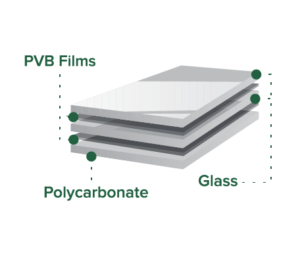
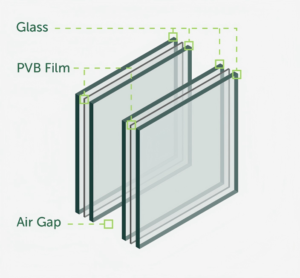
When one material cannot provide the required balance of impact resistance, weatherability, optical clarity, surface hardness, and structural performance, a laminated construction may be more suitable.
PlsTect develops transparent structures using combinations of polycarbonate, PMMA, glass, functional films, and selected interlayers. Each layer is reviewed according to the role it needs to perform in the finished panel or window.
Product Route
- Laminated Transparent Panels & Windows
The final route should be selected around the finished product—not the material name alone. Exposure conditions, impact requirements, optical targets, fabrication, installation, and validation needs should all be reviewed before the material and structure are confirmed.
PlsTect Coating Selection for Outdoor Use
Outdoor products rarely depend on one surface property alone. The appropriate coating route depends on how the material is exposed, handled, cleaned, viewed, and processed in the finished product.
PlsTect reviews weather resistance together with the additional surface demands that may affect long-term use.
Weather-Resistant Hard Coating
Used where outdoor exposure must be combined with improved surface hardness, scratch resistance, and cleaning durability.This route is especially relevant for polycarbonate windows, covers, panels, and other transparent parts exposed to repeated handling or maintenance.
Anti-Glare for Outdoor Viewing
Outdoor displays and operator-facing panels may require glare reduction as well as weather stability.The anti-glare level should be balanced with clarity, haze, surface texture, display readability, and the final viewing distance.
Anti-Fog for Changing Conditions
Condensation may become a problem when transparent products move between temperature and humidity conditions.Anti-fog performance should be reviewed together with outdoor exposure, cleaning, coating durability, and the direction in which condensation is likely to form.
Easy-Clean Surface Support
Dust, water marks, fingerprints, and environmental contamination can increase maintenance pressure on exposed panels and covers.Easy-clean or anti-fingerprint properties may be added where appearance, cleaning frequency, and user contact are important.
Combined Surface Requirements
Some products need more than one function, such as weather resistance with scratch resistance, anti-glare, anti-fog, or easy-clean performance.These properties cannot always be added independently. The substrate, coating sequence, process conditions, optical targets, and final fabrication route need to be reviewed together before the surface combination is confirmed.The most suitable route is not the one with the longest performance list. It is the one that remains compatible with the material, product form, application, and validation requirements.
Related Support At PlsTect
Surface Solutions Page
Use When You Need
Better surface durability and cleaning resistance
Reduced dust attraction and static build-up
Clearer viewing in humid or condensation-prone areas
Lower visual discomfort under strong lighting
Reduced reflection and improved viewing clarity
Better stability for outdoor or semi-outdoor exposure
Supporting Page
Issues We do to Help
Help with material matching, processing review, and sample discussion
Information about validation, testing, process control, and repeatability
Send drawings, samples, surface problems, or project requirements
From Coating to Usable Parts
Coating selection is often only one part of the final product requirement.
When coated plastic, film, or glass needs to become a usable panel, cover, window, or interface surface, PlsTect can also review fabrication needs such as cutting, CNC machining, bending, forming, printing, bonding, and edge finishing.
This helps the selected surface function move closer to the final part form required by the application.
CNC Cutting and Milling
For coated panels, covers, windows, and custom parts that require accurate dimensions, openings, slots, or mounting features.
Hot Bending and Forming
For applications where the coated material needs to follow a curved, angled, or formed product structure.
Printing and Masking
For display covers, control panels, interface surfaces, decorative borders, logos, or protected visual areas.
Bonding and Lamination
For parts that require layered structures, film combinations, adhesive bonding, or assembled surface systems.
Edge Finishing
For panels, covers, and windows where edge quality, handling safety, appearance, or dimensional control matters.
Handling and Assembly Protection
For coated surfaces that need protection during fabrication, packaging, transport, installation, or final product assembly.
Cleaning and Long-Term Use
For parts that will be touched, wiped, cleaned, exposed, or repeatedly handled after fabrication.
Typical Outdoor Applications
Weather-resistant materials and coatings are used where transparent or functional surfaces must remain stable through sunlight, temperature change, moisture, cleaning, and repeated outdoor exposure.
Outdoor Display Protection
Equipment Windows and Panels
Vehicle and Mobility Windows
Signage and Information Panels
Project Development Workflow
From concept definition to mass production implementation.
A structured engineering workflow ensures efficient development, performance validation, and reliable production implementation.
Requirements
Specifications and performance targets
Selection
Coating system definition
Sampling
Sample preparation for evaluation
Validation
Performance testing and confirmation
Pilot Study
Process stability verification
Production
Mass manufacturing implementation
* Early-stage technical communication significantly reduces development risk and timeline.
Quality Control
Achieving high scratch resistance requires not only coating chemistry but also precise process control.PlsTect production systems are designed to ensure repeatable performance from prototype to mass production.
Key control factors include:
Controlled coating environment
Thickness consistency management
Adhesion verification protocols
Batch-to-batch repeatability control
Optical and surface inspection procedures
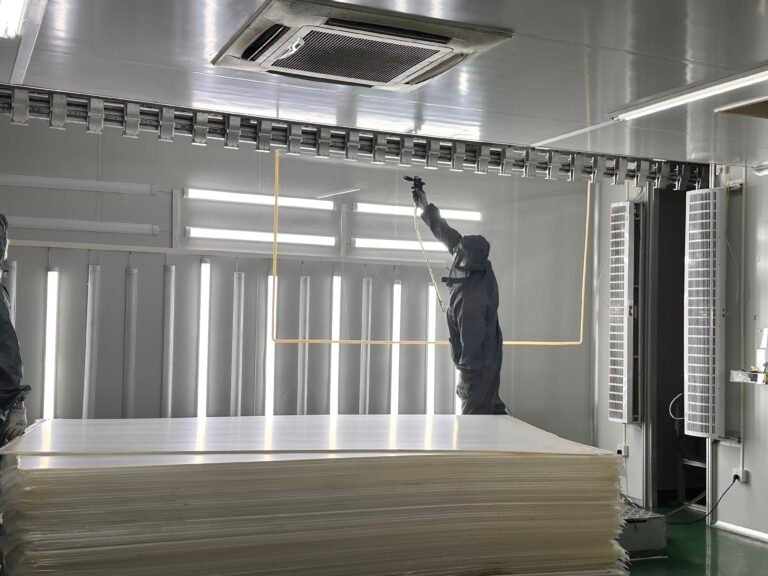
Surface Preparation
Material surfaces are cleaned and prepared using controlled procedures to ensure optimal coating adhesion and consistency.
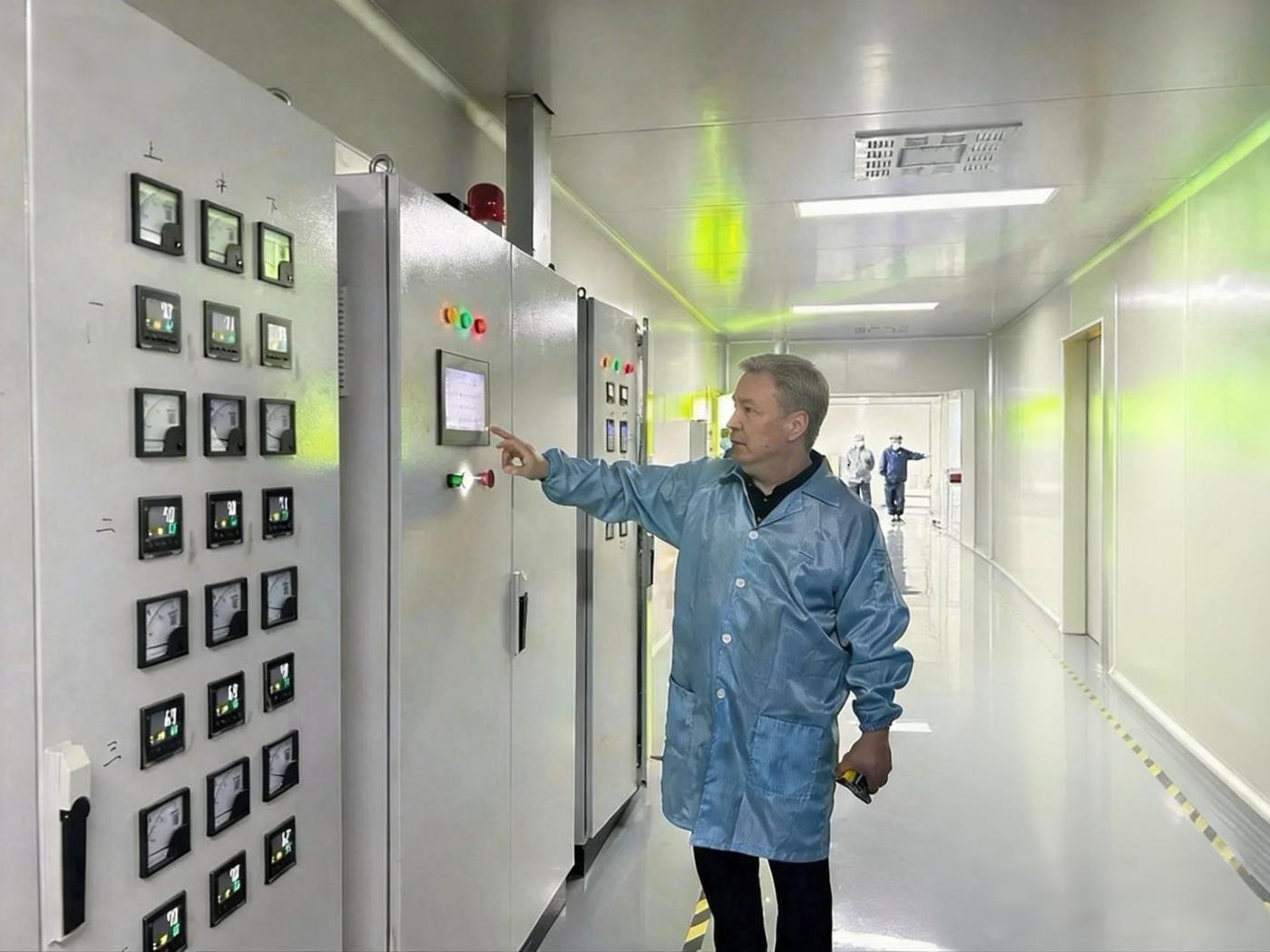
Coating Control
Coating thickness, viscosity, and environmental conditions are carefully monitored to maintain uniform performance across batches.
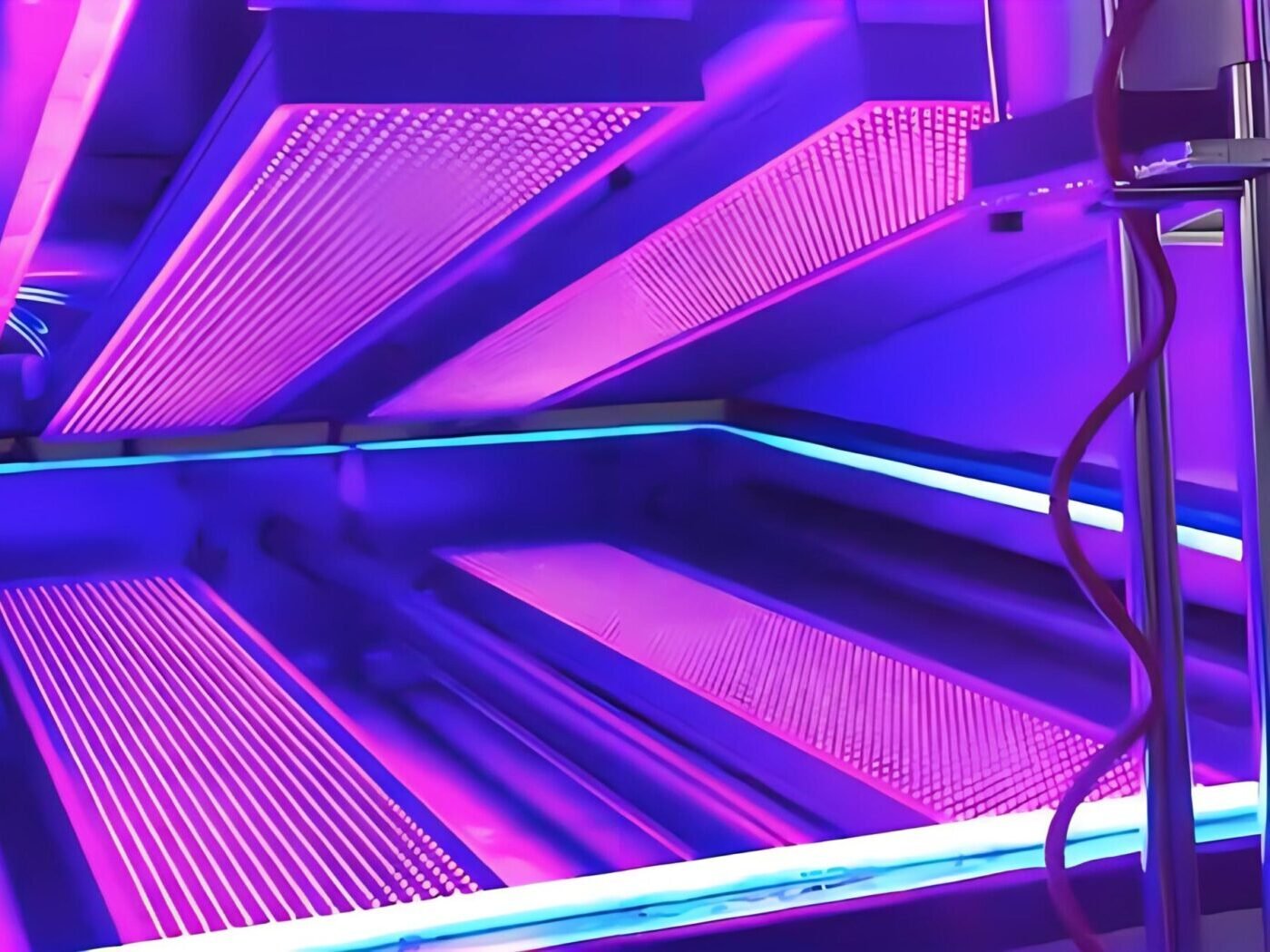
Curing Process
UV or thermal curing parameters are optimized to achieve the required hardness, adhesion, and durability.
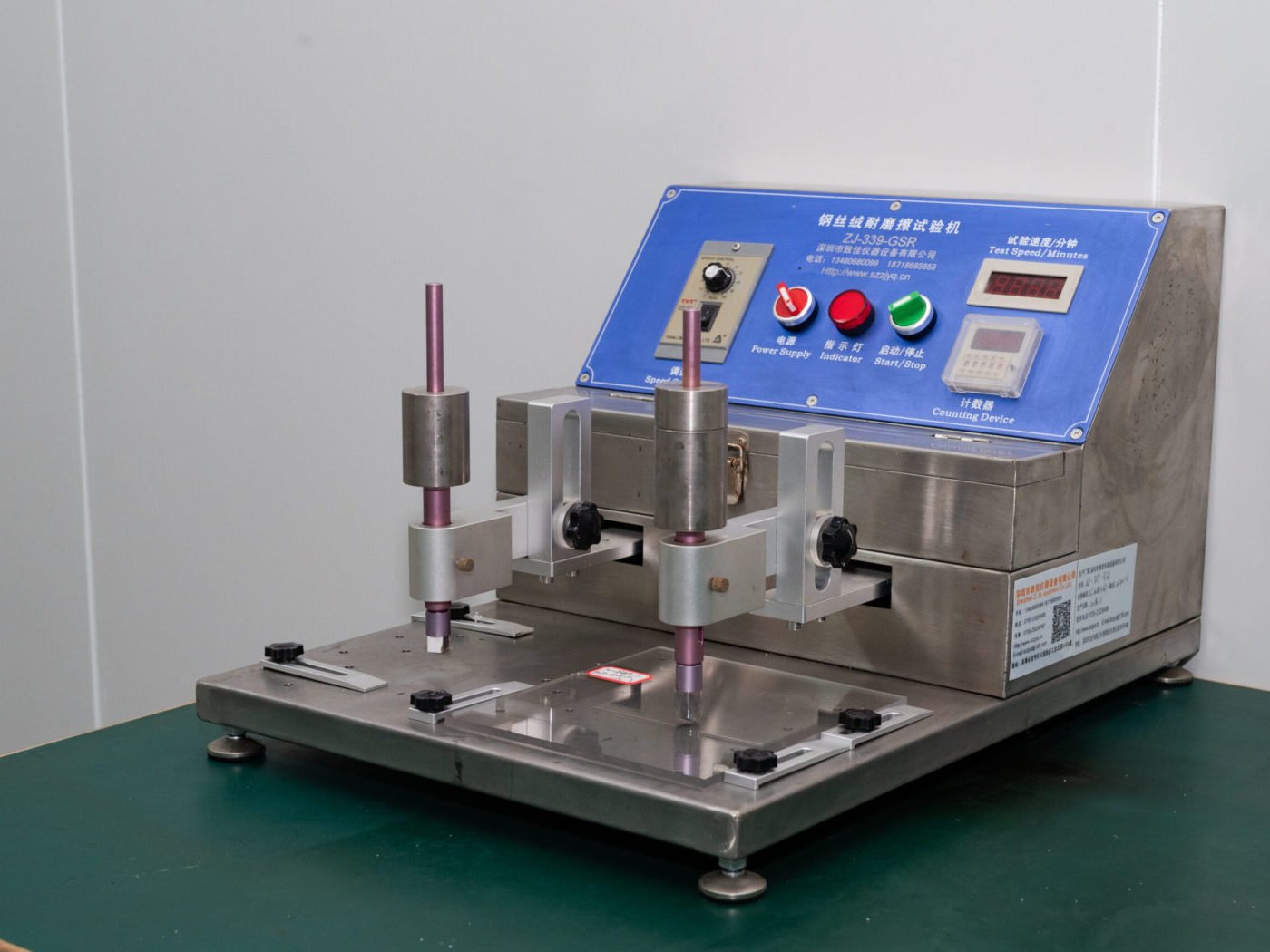
Inspection
Samples undergo optical inspection and performance testing to confirm compliance with project specifications.
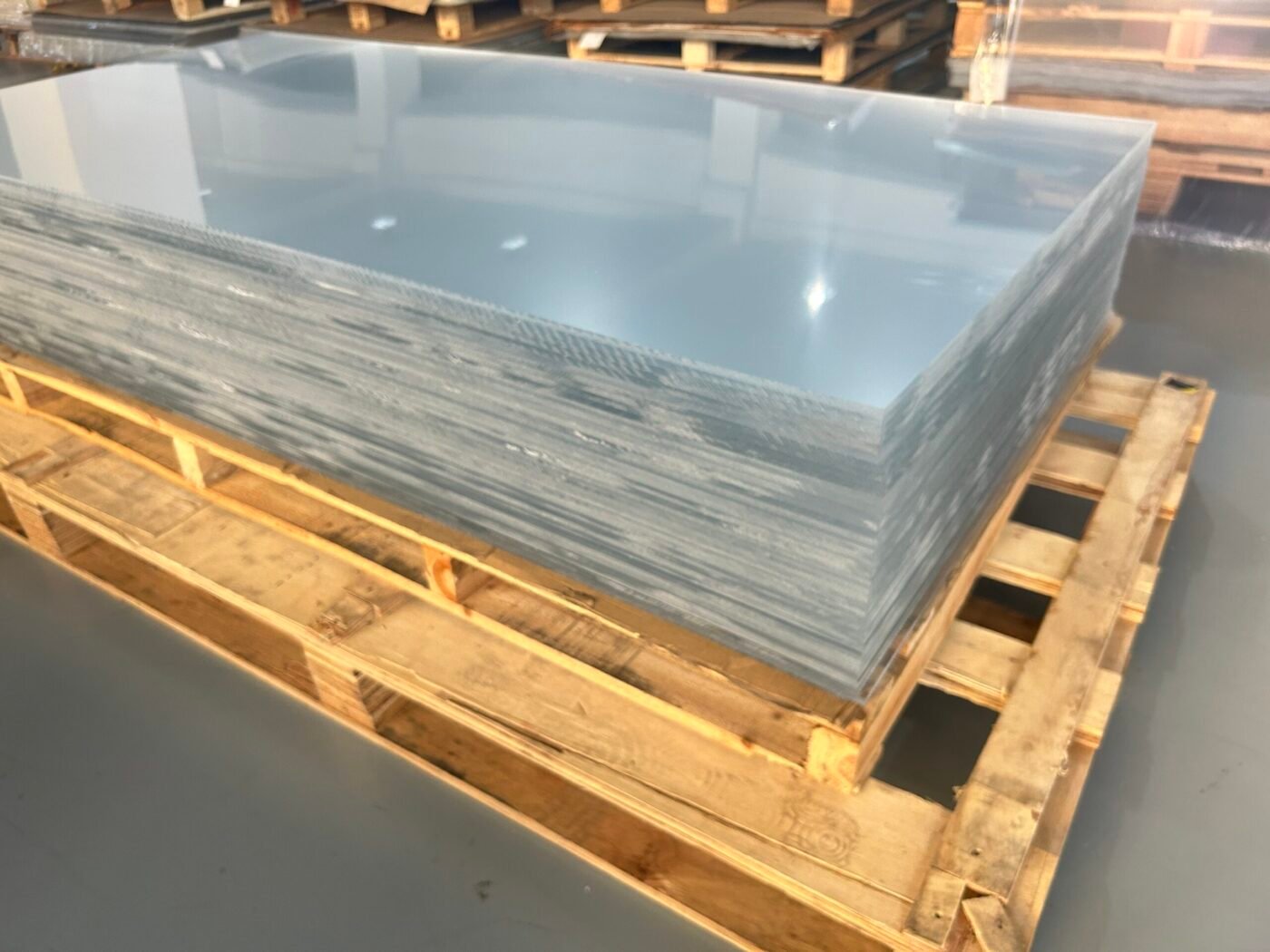
Consistency Control
Production batches are monitored to ensure repeatability, traceability, and long-term performance reliability.
*From initial sampling to full-scale production, coating performance remains stable and predictable.
Start Your Project Review
Share your performance requirements, typically we will respond with recommendations.