

Laminated Polycarbonate Panels for OEM and Replacement Projects
Anti-riot and impact-resistant • UL94 V-0 Flame Retarding • UV/Weather Resistance • Hard-coat options • OEM machining
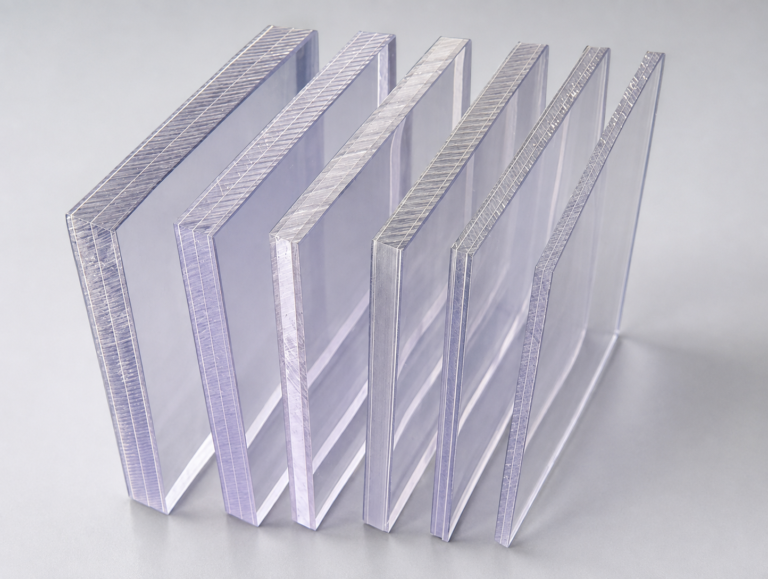
PlsTect manufactures laminated polycarbonate panels with multiple polycarbonate structural plies bonded by transparent TPU interlayers. These engineered laminate structures support OEM replacement projects, custom transparent components, and application-specific requirements.
What Is Laminated Polycarbonate?
Laminated polycarbonate is a transparent laminate structure made by combining multiple polycarbonate layers with transparent polymer interlayers. Instead of using a single monolithic polycarbonate sheet, laminated construction allows different layers to be combined into one engineered transparent panel.
Each component in the laminate serves a specific role. Polycarbonate plies provide the primary transparent structural layers, while transparent interlayers bond the laminate construction together and help maintain the integrity of the assembled panel.
When a Single Polycarbonate Sheet Is Not the Required Build
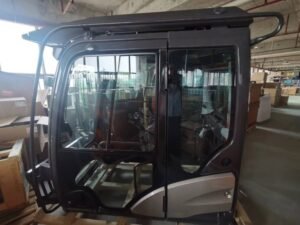
Many laminated polycarbonate projects begin with an existing panel, OEM drawing, equipment model, or specified layer construction—not with a general request for a thicker plastic sheet.
A multilayer laminate may be the appropriate route when the project requires a defined total thickness, multiple PC plies, a replacement for an existing laminated component, or a panel developed around specific mounting and surface conditions.
Existing Laminated Replacement
Match an existing laminated panel using a drawing, sample, OEM part reference, dimensions, or equipment information.
Defined Total Thickness
Build the required panel thickness through two or three structural PC plies rather than relying on a single monolithic sheet.
Specified Layer Distribution
Use equal or unequal PC ply thicknesses where the project requires a particular structural arrangement.
Repeatable OEM Supply
Sample and panel development to a controlled specification for repeat orders, second-source supply, or private-label programs.
Performance Starts with the Materials and Interfaces
Adding more layers does not automatically create a better panel. Optical quality, interlayer adhesion, impact response, and panel stability depend on the materials, layer arrangement, and interfaces working together as one laminate.
PlsTect uses imported Covestro polycarbonate and transparent TPU throughout the construction, creating a consistent material foundation across both the rigid plies and flexible interlayers.
High-Quality Polycarbonate Plies
The polycarbonate plies form the transparent structural body of the panel, providing impact resistance, optical clarity, dimensional stability, and a lower-weight material route than comparable glass-based constructions.
Optical and Mechanical TPU Interfaces
Transparent TPU joins the individual PC plies while contributing low haze, toughness, elongation, puncture resistance, and energy-dispersive behavior within the laminate.
Integrated Laminate Construction
Material preparation, layer arrangement, air removal, lamination, and finished-panel inspection are managed together so that the individual layers function as one complete transparent panel.
Laminated Polycarbonate Layer Configurations
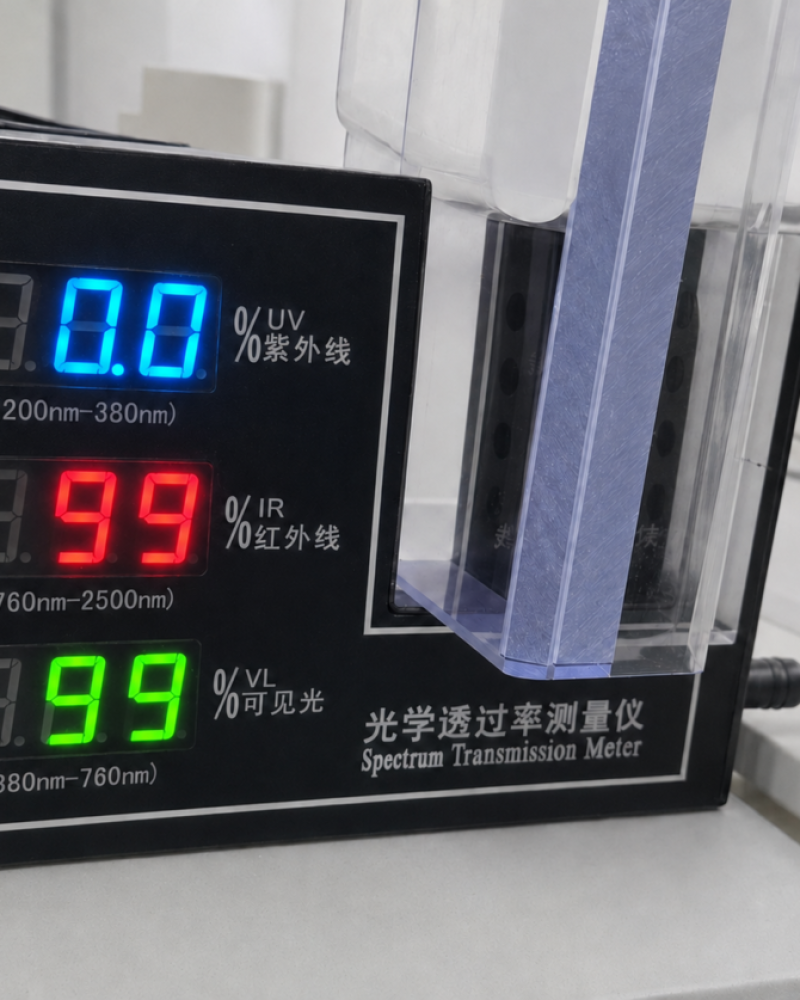
PlsTect laminated polycarbonate panels use polycarbonate as the rigid structural plies with transparent TPU interlayers bonding the laminate structure together.
Each laminate configuration combines polycarbonate structural layers with transparent TPU bonding layers to create an engineered transparent panel structure.
3-Layer Configuration
PC / Transparent TPU / PC
Two polycarbonate structural plies provide the primary transparent structure, while the TPU interlayer bonds the laminate construction.
This construction is a practical starting point when two PC plies can provide the required total thickness and panel arrangement. The PC plies may use equal or unequal thicknesses according to the approved build.
Suitable Starting Points
- Existing 3-layer replacement panels
- Defined two-ply PC constructions
- OEM windows with a specified total thickness
- Panels requiring hard coating and downstream CNC machining
5-Layer Configuration
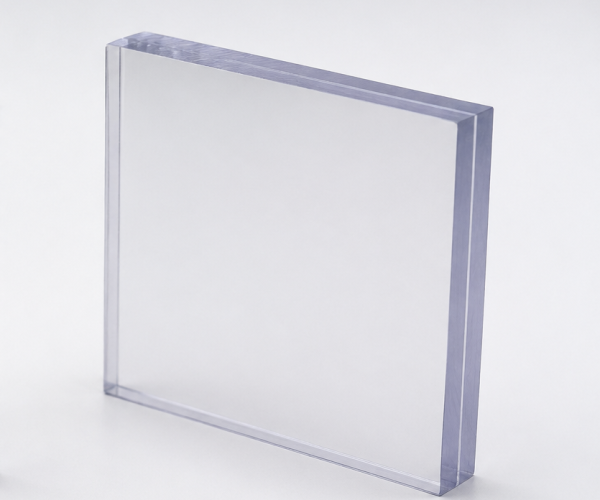
PC / Transparent TPU / PC / Transparent TPU / PC
Three polycarbonate structural plies combined with two transparent TPU interlayers allow more flexible thickness distribution and laminate configuration options.
This construction supports projects requiring a greater total thickness or a more distributed PC ply arrangement. The thickness of each structural ply is selected around the finished panel rather than assumed from the layer count alone.
Suitable Starting Points
- Existing 5-layer replacement panels
- Greater total panel thicknesses
- Projects with a defined three-ply PC arrangement
- Custom OEM structures requiring controlled layer distribution
Available Build Direction
| Specification Item | Available Direction |
|---|---|
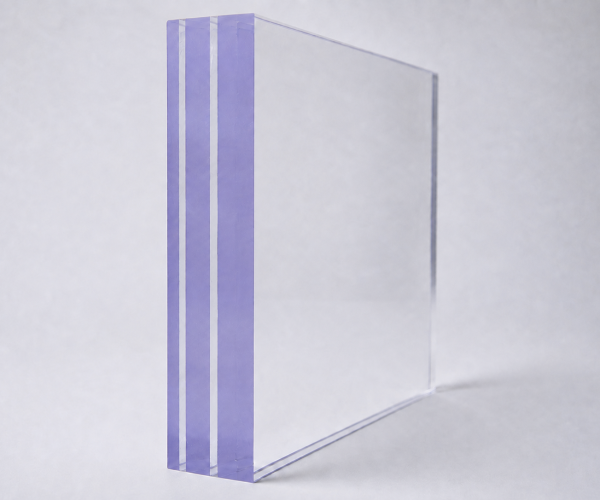
| Construction | 3-layer or 5-layer multi laminated polycarbonate and transparent TPU construction |
| Total Thickness | Approximately 13–32 mm, subject to the confirmed layer construction |
| PC Ply Arrangement | Equal or unequal polycarbonate ply thicknesses |
| Surface Configuration | Untreated, one-side hard coated, or two-side hard coated |
| Product Form | Laminated sheet, cut-to-size panel, or machined OEM component |
| Panel Geometry | Rectangular panels or drawing-based custom profiles |
| Machining | CNC profiling, cutting, drilling, holes, slots, notches, and cutouts |
| Final Confirmation | Based on the required construction, dimensions, surface condition, quantity, and project specification |
PlsTect Multilayer Laminated Polycarbonate Architecture
PlsTect uses the term multilayer lamimnated Polycarbonate to describe a laminate architecture where all rigid structural plies are polycarbonate. Transparent TPU interlayers remain an essential part of the construction by bonding the polycarbonate plies together.
Why Choose Laminated Polycarbonate?
OEM Replacement Requirements
Existing laminated transparent components often require matching the original laminate construction rather than simply selecting another sheet material.
Layer Function Integration
Laminated construction allows structural plies, interlayers, and surface treatments to work together within one transparent component.
Application-Specific Design
Layer arrangement, thickness distribution, and surface configuration can be selected according to project requirements.
PlsTect Multilayer Laminated Polycarbonate Architecture
PlsTect refers to its laminated polycarbonate architecture as multilayer Laminated Polycarbonate, where all rigid structural plies are polycarbonate. Transparent TPU interlayers remain an essential part of the laminate construction by bonding the polycarbonate plies together.
Monolithic or Laminated Polycarbonate?
Laminated polycarbonate is a different construction route—not an automatic upgrade for every project.
The appropriate choice depends on whether a single PC sheet can meet the required thickness and part design, or whether the project already requires a defined multilayer construction.
| Start with Monolithic Polycarbonate When | Start with Laminated Polycarbonate When |
|---|---|
One solid polycarbonate sheet meets the required total thickness. |
The existing or approved panel uses a laminated construction. |
No specific layer sequence or individual ply distribution is required. |
A 3-layer or 5-layer PC/TPU construction is specified. |
Standard sheet supply or direct fabrication is the main requirement. |
The required total thickness must be distributed across multiple PC plies. |
The component can be produced through a conventional solid-sheet machining route. |
An existing laminated panel must be reproduced from a drawing, sample, or OEM reference. |
The project does not depend on an existing laminated-panel specification. |
The laminated build is part of the approved component or replacement-panel design. |
Laminated polycarbonate provides a multilayer construction route. Final impact, optical and structural performance depends on the complete layer build, total thickness, panel dimensions, machining, installation and applicable project requirements.
OEM and Replacement Development at PlsTect
Many laminated polycarbonate projects begin with an existing transparent component that requires replacement. PlsTect supports OEM replacement projects by reviewing drawings, samples, dimensions, laminate construction requirements, and application conditions.
PlsTect supports OEM replacement projects where an existing laminated transparent panel needs to be reproduced, modified, or manufactured according to project requirements.
Customers can provide drawings, CAD files, existing samples, dimensions, or application information. PlsTect can review the required laminate construction, panel configuration, and fabrication requirements to support a suitable replacement solution.
From Laminated Sheet to an OEM-Ready Panel
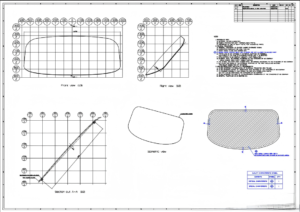
Develop the panel from a 2D drawing, physical sample, sample photographs, OEM part number, equipment model, or dimensional record.
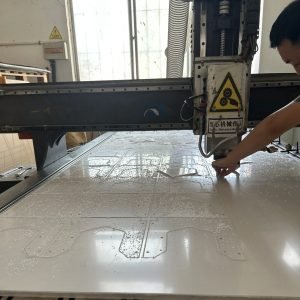
Produce drawing-based outlines, holes, slots, notches, cutouts, mounting points, and other installation features.
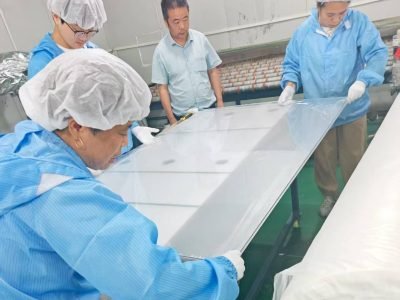
Review edge finish, corner radius, thickness tolerance, sealing contact, hardware clearance, and frame compatibility.
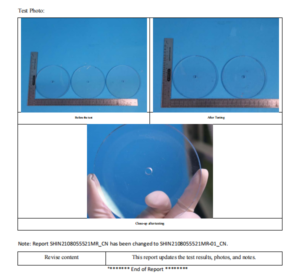
Confirm which side is exposed, whether one-side or two-side hard coating is required, and how the surface will be handled and cleaned.
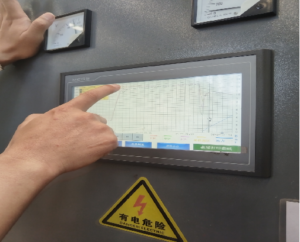
Use samples or first articles to confirm construction, appearance, dimensions, machining details, and packaging before repeat production.
Packaging, protective masking, labels, part identification, instructions, and private-label requirements can be reviewed for repeat-order programs.
Surface Durability for Exposed Polycarbonate Faces
Multilayer laminated panels retain polycarbonate on the exposed surfaces. Where the panel will be repeatedly wiped, cleaned, handled, or contacted, the surface requirement should be reviewed separately from the laminate construction.
PlsTect can combine suitable laminated builds with one-side or two-side hard-coat configurations.
One-Side Hard Coating
Used when one identified surface is exposed to routine handling, cleaning, wiping, or operating contact.
Double-Side Hard Coating
Used where both faces may be exposed during operation, maintenance, installation, or repeated handling.
Surface and Machining Coordination
The coated side, masking, CNC sequence, edge handling, packaging, and cleaning method should be confirmed before production.
Quality Defined Around the Approved Panel
A high-quality laminate depends on more than the nominal material and total thickness. The acceptance criteria should be defined around the complete panel, including its optical area, interfaces, edges, machining, coating, and installation-related features.
Construction and Dimensions
Confirm the approved layer sequence, total thickness, individual PC ply distribution, width, length, profile, and dimensional tolerances.
Optical Appearance
Define the acceptable viewing area and inspect for visible bubbles, haze, contamination, distortion, or other appearance conditions relevant to the project.
Layer and Edge Condition
Review layer alignment, edge condition, visible interface quality, and any areas affected by machining or mounting features.
Machining Accuracy
Check the profile, holes, slots, cutouts, corner radii, and mounting locations against the approved drawing or sample.
Surface Protection
Confirm the required hard-coated face, protective masking, handling method, cleaning instructions, and packaging condition.
Performance Requirements
Where an impact, optical, environmental, or other performance target applies, the required test method, panel construction, sample size, mounting condition, and acceptance criterion should be agreed before production.
Multilayer Laminated Polycarbonate for Demanding OEM Panels
The material route is used where the project requires a defined laminated construction, greater total thickness, drawing-based fabrication, or reproduction of an existing laminated component.
Related Glass-Clad Polycarbonate Options
Glass-clad polycarbonate combines glass and polycarbonate layers within a laminated transparent construction. It is a related composite route rather than an multilayer polycarbonate laminate.
For projects that require a mixed-material construction, PlsTect also provides related composite panels using polycarbonate, a transparent TPU interlayer and tempered glass. These products are presented separately from all-polycarbonate laminated panels.
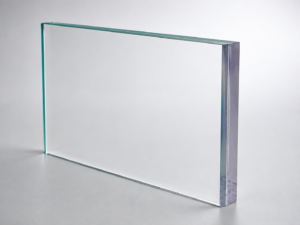
| Structure | Layer Configuration | Total Thickness | Panel Size |
|---|---|---|---|
| PC + TPU + Tempered Glass | 7 + 1 + 8 mm | 16 mm | 1000 × 600 mm |
| PC + TPU + Tempered Glass | 5 + 1 + 6 mm | 12 mm | 600 × 700 mm |
| PC + TPU + Tempered Glass | 12 + 1 + 5 mm | 18 mm | 1007 × 413 mm |
What to Send for a Laminated Panel Review
A useful project review normally starts with the existing panel or the required finished construction.
| Project Information | Helpful Input |
|---|---|
| Existing Product | Physical sample, clear photographs, OEM part number, equipment model, or an existing product reference. |
| Panel Design | 2D drawing, overall width and length, custom profile, corner radii, and dimensional tolerances. |
| Laminate Requirement | Required total thickness, known 3-layer or 5-layer construction, and individual PC ply thicknesses where available. |
| Machining Details | Holes, slots, notches, cutouts, mounting points, countersinks, and other drawing-based features. |
| Surface Requirement | Exposed face, one-side or two-side hard coating, routine cleaning, wiping, abrasion, or operating-contact conditions. |
| Installation Details | Frame, seal, gasket, fastener, hardware, edge contact, mounting clearance, and existing installation method. |
| Performance Requirement | Applicable test method, target value, rating, operating condition, or acceptance criterion where required. |
| Commercial Requirement | Sample quantity, order quantity, estimated annual demand, target MOQ, required delivery schedule, packaging, and labeling needs. |
Coating selection is often only one part of the final product requirement.
When coated plastic, film, or glass needs to become a usable panel, cover, window, or interface surface, PlsTect can also review fabrication needs such as cutting, CNC machining, bending, forming, printing, bonding, and edge finishing.
This helps the selected surface function move closer to the final part form required by the application.
CNC Cutting and Milling
For coated panels, covers, windows, and custom parts that require accurate dimensions, openings, slots, or mounting features.
Hot Bending and Forming
For applications where the coated material needs to follow a curved, angled, or formed product structure.
Printing and Masking
For display covers, control panels, interface surfaces, decorative borders, logos, or protected visual areas.
Bonding and Lamination
For parts that require layered structures, film combinations, adhesive bonding, or assembled surface systems.
Edge Finishing
For panels, covers, and windows where edge quality, handling safety, appearance, or dimensional control matters.
Handling and Assembly Protection
For coated surfaces that need protection during fabrication, packaging, transport, installation, or final product assembly.
Cleaning and Long-Term Use
For parts that will be touched, wiped, cleaned, exposed, or repeatedly handled after fabrication.
FAQs
What is multilayer laminated polycarbonate?
Multilayer laminated polycarbonates use polycarbonate as every rigid structural ply. Transparent TPU interlayers join the PC plies into one integrated laminate.
It is different from glass-clad polycarbonate, which includes a glass-facing layer.
When should I choose laminated rather than monolithic polycarbonate?
Start with laminated polycarbonate when the approved or existing part already uses a multi-layer construction, when the total thickness must be distributed across multiple PC plies, or when a 3-layer or 5-layer structure is part of the project specification.
A monolithic sheet is usually the more direct route when one solid PC sheet can meet the required thickness and part design.
What is the difference between a 3-layer and 5-layer build?
A 3-layer build contains two PC plies and one transparent TPU interlayer.
A 5-layer build contains three PC plies and two transparent TPU interlayers.
The correct route depends on total thickness, individual ply distribution, panel dimensions, machining, and the approved component design.
Can the PC plies use different thicknesses?
Yes. Symmetric and asymmetric PC ply arrangements can be reviewed.
The final distribution should be confirmed according to the required total thickness, existing panel construction, surface configuration, and project specification.
Can you review 19 mm or 3/4-inch laminated polycarbonate?
Yes. Projects requiring approximately 19 mm or 3/4-inch laminated polycarbonate can be reviewed against the required layer construction, panel dimensions, hard-coat requirement, machining, quantity, and OEM fit.
Final availability and the exact PC/TPU build are confirmed during project review rather than assumed from the nominal thickness alone.
Can laminated polycarbonate be CNC machined?
Suitable laminated builds can be cut, CNC profiled, drilled, slotted, notched, and processed with drawing-based mounting features.
The machining route depends on panel thickness, edge requirement, surface coating, tolerance, and installation design.
Does a thicker or multilayer panel automatically meet an impact or safety standard?
No. Layer count and nominal thickness alone do not establish a performance rating.
Any required rating or acceptance result depends on the complete construction, material condition, panel dimensions, machining, mounting method, test method, and validated sample.
Request a Laminated Polycarbonate Quote
Share your target construction, total thickness, panel dimensions, quantity, surface conditions and machining requirements. PlsTect will review the panel configuration, OEM manufacturing route and quotation requirements.