

Surface Performance for Coated Materials and Finished Parts
PlsTect helps OEM and industrial projects match coating functions, base materials, fabrication requirements, and end-use conditions into usable coated products.
Surface Performance Starts from the Product Requirement
Surface performance is not selected by coating name alone.
A clear cover, display window, control panel, windshield, or protective shield may need to resist scratching, reduce glare, prevent fogging, improve cleanability, withstand cleaning cycles, or remain stable outdoors.
PlsTect reviews these requirements from the final product backward — including the base material, surface function, fabrication method, optical area, cleaning condition, and expected use environment.
This helps the project move from a general coating request to a practical coated material or finished part.
What Surface Performance Usually Involves
Every application operates under specific environmental constraints.
These conditions determine how a surface must behave to maintain stable performance.
Glare, reflection, fogging, haze, and contamination can reduce visibility in displays, windows, covers, and viewing panels. Optical surface strategies may include anti-glare, anti-reflective, anti-fog, or easy-clean coating depending on the application.
Scratching, wiping, chemical cleaning, and repeated handling can gradually damage plastic and glass surfaces. Hard coating and abrasion-resistant surface treatment help maintain product appearance and usability over time.
Fingerprints, oil, dust, and residues affect high-contact surfaces such as HMI panels, touch covers, medical device panels, and consumer electronics interfaces. Anti-fingerprint and easy-clean coatings improve surface usability and maintenance.
Some transparent parts need both abrasion resistance and post-forming compatibility. This balance should be reviewed early according to material thickness, forming depth, curvature, coating side, and optical area.
Outdoor or exposed parts may face UV, humidity, temperature change, cleaning agents, and long-term weathering. Weather-resistant coating and material selection should be considered together, especially for transparent plastics.
Some projects require more than one performance layer. Coatings may need to work with printing, bonding, forming, lamination, sensors, displays, or electrical requirements. Early review helps reduce mismatch between coating performance and downstream processing.
Surface Strategies We Support
Surface performance is often achieved through a combination of coating function, base material, processing method, and application conditions. PlsTect supports a range of surface strategies for plastics, films, glass, and finished parts, helping customers match the right performance direction before sampling or production.

Anti-fog coatings help maintain visibility when condensation forms under changing temperature and humidity conditions. This can support safer, more reliable viewing through goggles, equipment windows and protective covers.
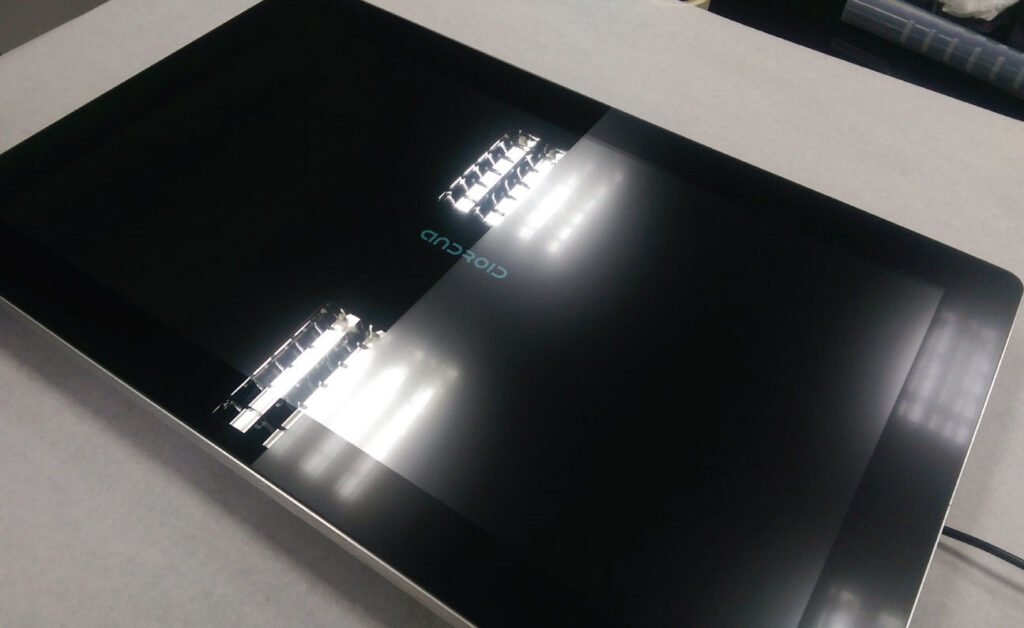
Anti-glare coating reduces distracting light reflection and improves readability under strong ambient light. It is commonly used for display covers, control panels, outdoor screens, industrial interfaces, and transparent parts where visual comfort and screen readability are important.
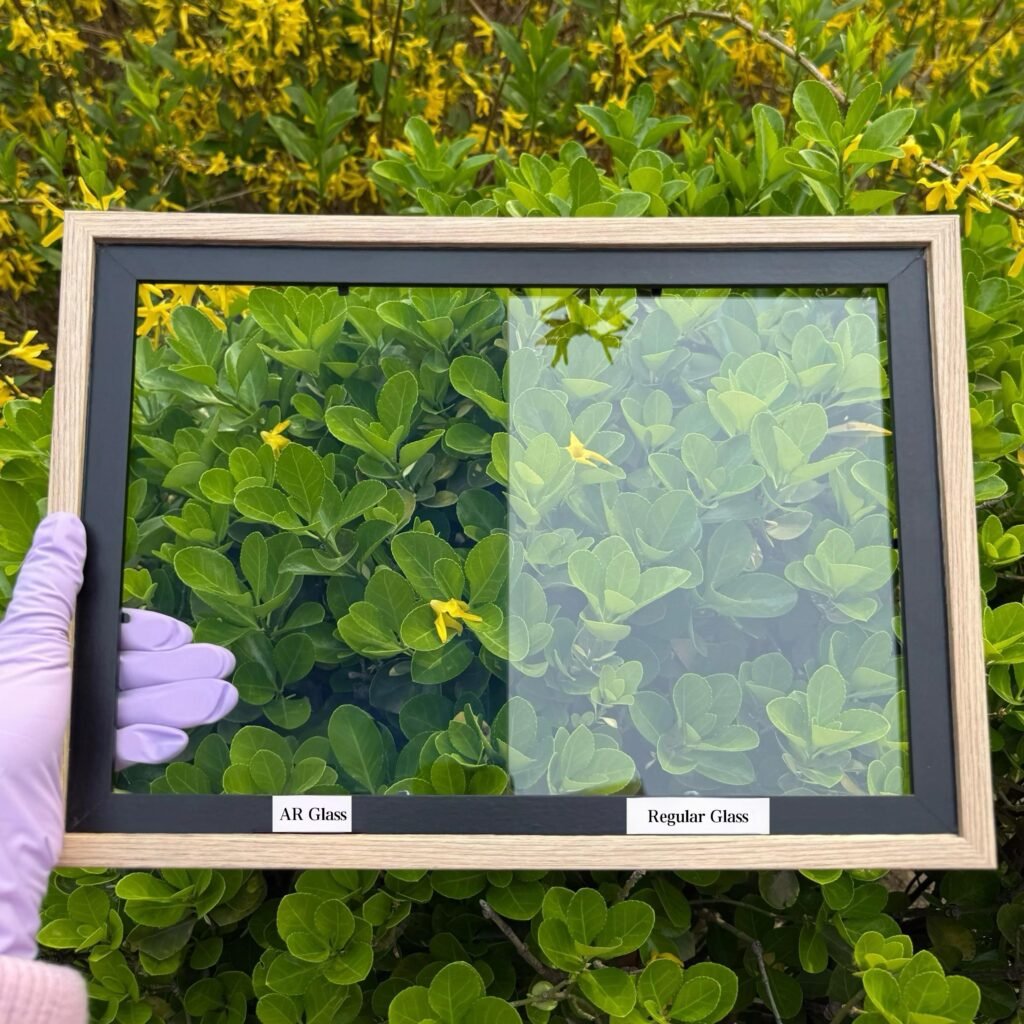
Anti-reflective coating is used when higher light transmission, reduced reflection, or clearer optical performance is required. It can support display windows, optical covers, sensor windows, lighting-related parts, and selected transparent components where reflection control affects performance.
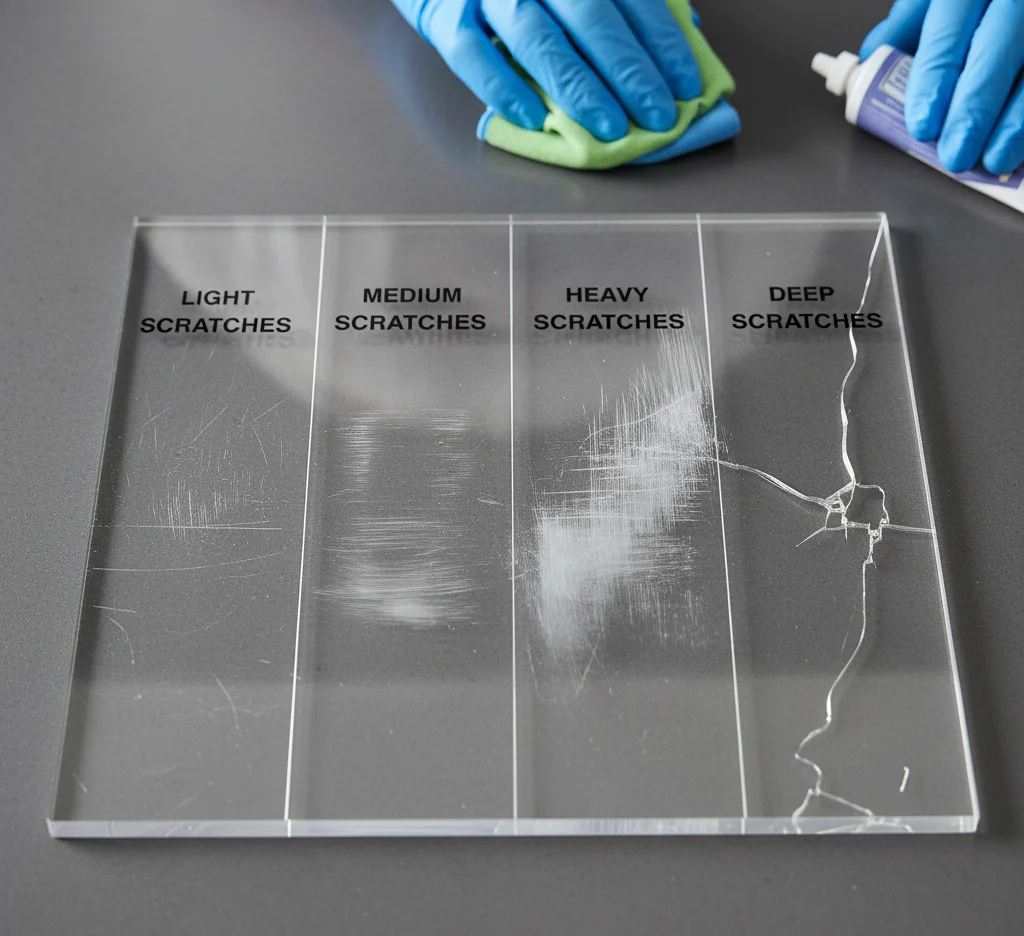
Hard coating improves abrasion resistance, cleaning durability, and long-term appearance for plastic, film, and glass surfaces. It is suitable for transparent covers, panels, windows, display protectors, and frequently handled parts that need better resistance to scratching and repeated wiping.
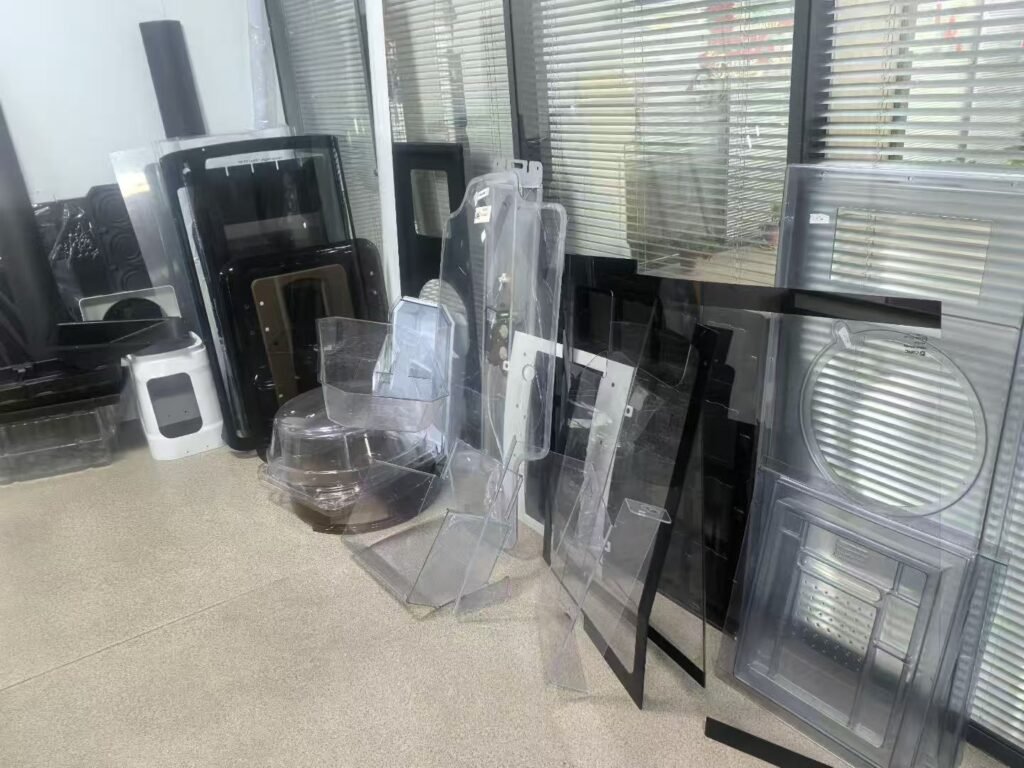
Some formed parts need both surface hardness and post-forming compatibility. Thermoformable anti-scratch coating helps hard-coated polycarbonate support bending, thermoforming, or vacuum forming while maintaining improved scratch resistance for curved windows, windscreens, visors, and formed transparent parts.
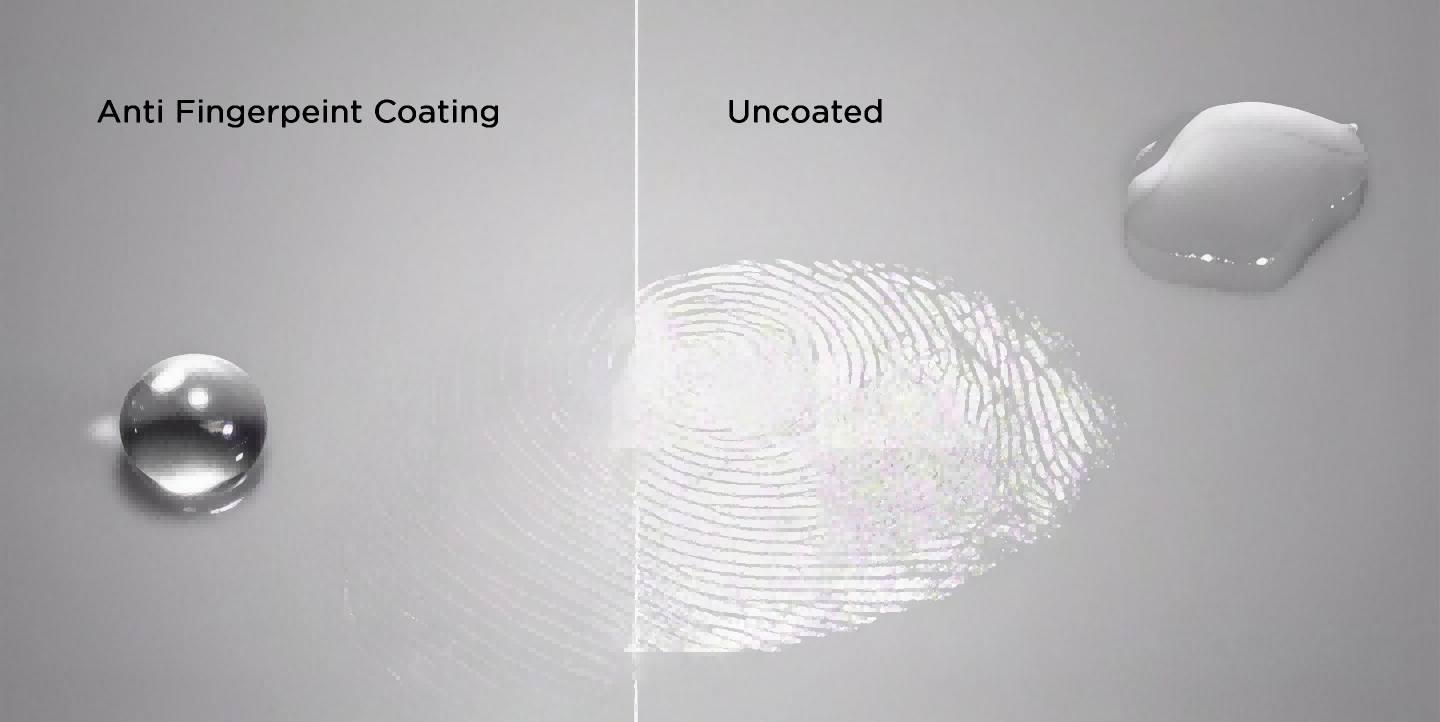
Anti-fingerprint and easy-clean coatings help reduce visible oil marks, fingerprints, and surface residues on high-touch parts. They are suitable for touch panels, HMI covers, display windows, consumer electronics interfaces, and frequently handled transparent or decorative surfaces.
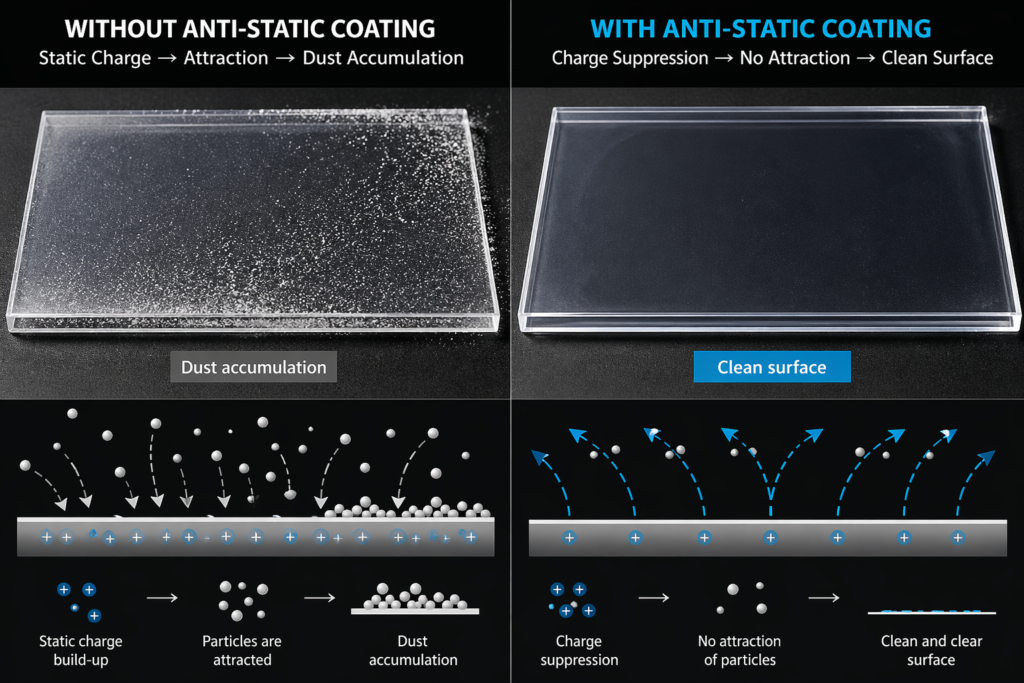
Anti-static and ESD surface solutions help reduce dust attraction, static buildup, and electrostatic risk on plastic sheets, panels, covers, and clean-area components. They are used in electronics, display, clean manufacturing, industrial equipment, and controlled environments.

Outdoor transparent parts may face UV exposure, humidity, temperature change, cleaning agents, and long-term weathering. Weather-resistant surface support combines material selection and coating strategy for covers, windows, display shields, panels, and exposed transparent parts.
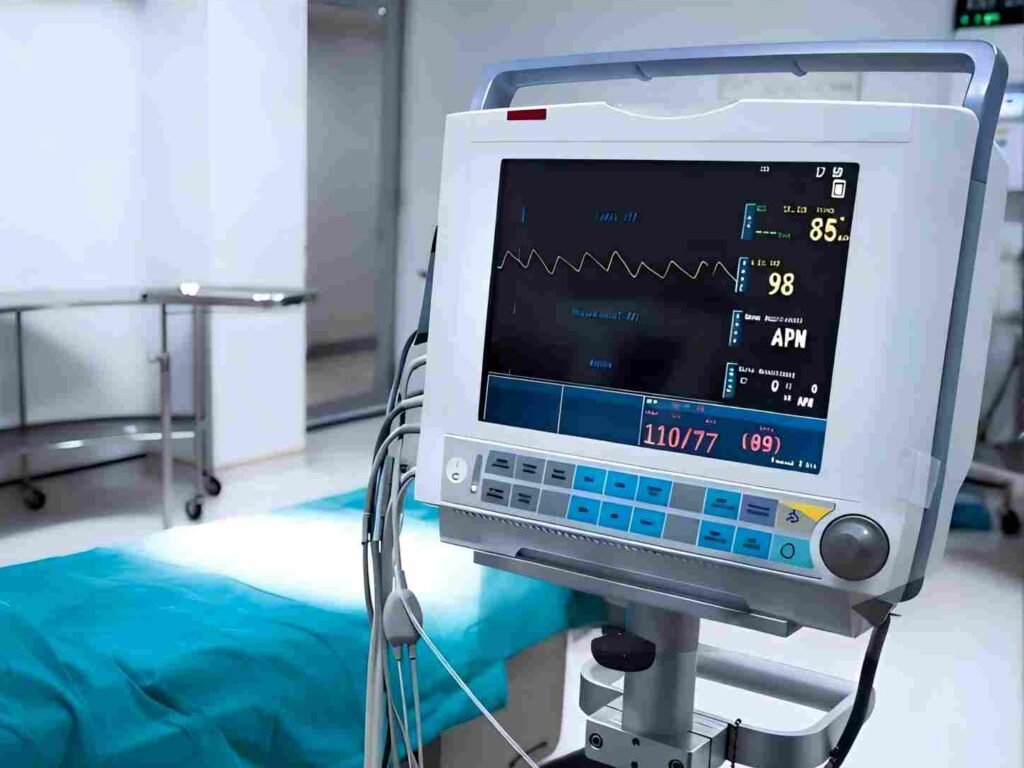
Anti-microbial surface coating can be considered for high-touch and frequently cleaned surfaces where surface hygiene, cleanability, and durability matter. It is suitable for medical device panels, HMI interfaces, touch covers, control panels, and shared-use surfaces, with claims based on tested samples and application boundaries.
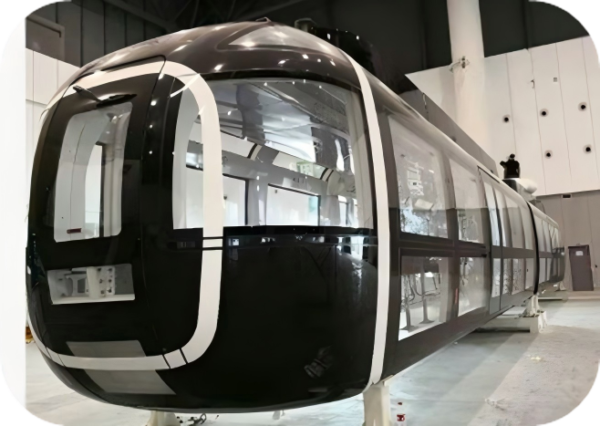
For many OEM projects, the coating must work with cutting, printing, bonding, bending, forming, lamination, display assembly, or sensor integration. PlsTect reviews coating direction together with downstream processing so the material can become a usable finished part.
When Surface Requirements Overlap
Many projects do not fail because one surface function is unavailable. They fail because several surface requirements are considered separately.
A transparent part may need clarity, hardness, cleanability, forming compatibility, weather resistance, printing, bonding, or touch performance at the same time. These requirements can affect each other, especially when the coated material must become a real panel, cover, window, or finished part.
PlsTect helps review these overlapping requirements early, so the selected coating direction can support the final product instead of only meeting one isolated specification.
A display cover may need anti-glare performance, scratch resistance, touch compatibility, anti-fingerprint behavior, and cleaning durability at the same time. If these requirements are reviewed separately, the final surface may look acceptable in one test but fail in real operation, cleaning, or assembly.
A curved polycarbonate window, visor, or windscreen-type part may require surface hardness, optical clarity, bending compatibility, forming stability, and sometimes weather resistance. Conventional hard coating may improve abrasion resistance but become too rigid for post-forming, so coating selection must consider the forming route from the beginning.
Medical device panels, HMI covers, and industrial control interfaces are often touched, cleaned, wiped, and exposed to operating environments repeatedly. The surface may need cleanability, chemical resistance, anti-fingerprint performance, abrasion resistance, and controlled documentation depending on the project.
Outdoor covers, windows, and display shields may face UV exposure, humidity, temperature change, cleaning agents, impact, and long-term visual requirements. In these cases, material selection and coating strategy should be reviewed together rather than treating weather resistance as a single surface add-on.
This is why PlsTect starts with the final-use condition, not only the coating name. The goal is to make the coated material practical for fabrication, assembly, delivery, and real use.
From Coating to Usable Parts
Coating selection is often only one part of the final product requirement.
When coated plastic, film, or glass needs to become a usable panel, cover, window, or interface surface, PlsTect can also review fabrication needs such as cutting, CNC machining, bending, forming, printing, bonding, and edge finishing.
This helps the selected surface function move closer to the final part form required by the application.
CNC Cutting and Milling
For coated panels, covers, windows, and custom parts that require accurate dimensions, openings, slots, or mounting features.
Hot Bending and Forming
For applications where the coated material needs to follow a curved, angled, or formed product structure.
Printing and Masking
For display covers, control panels, interface surfaces, decorative borders, logos, or protected visual areas.
Bonding and Lamination
For parts that require layered structures, film combinations, adhesive bonding, or assembled surface systems.
Edge Finishing
For panels, covers, and windows where edge quality, handling safety, appearance, or dimensional control matters.
Handling and Assembly Protection
For coated surfaces that need protection during fabrication, packaging, transport, installation, or final product assembly.
Cleaning and Long-Term Use
For parts that will be touched, wiped, cleaned, exposed, or repeatedly handled after fabrication.
Typical Applications
Surface performance becomes valuable when it supports a real product environment.
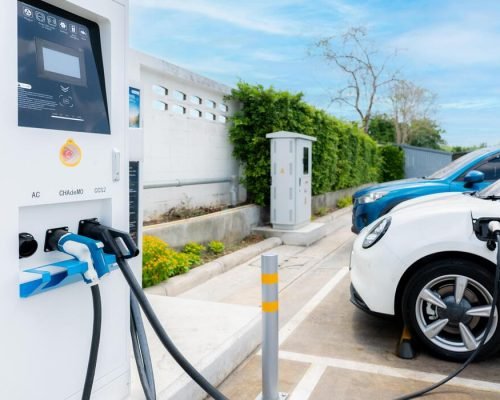
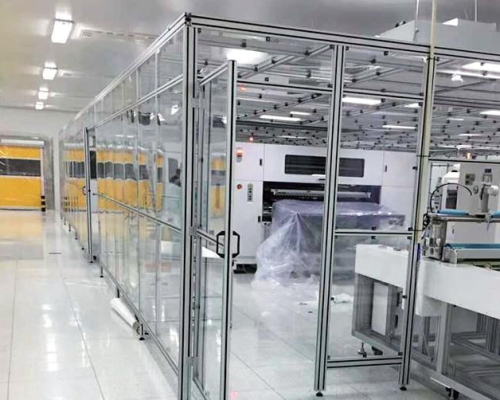
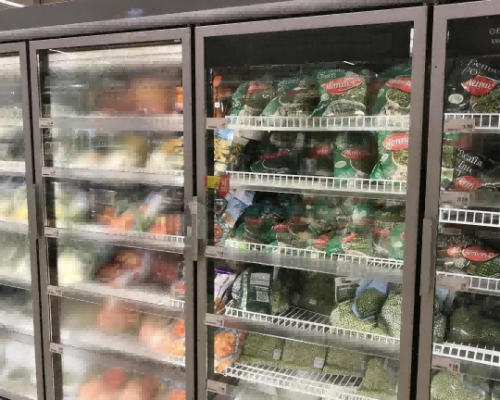
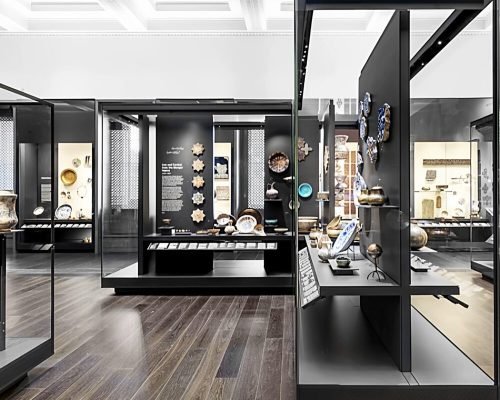
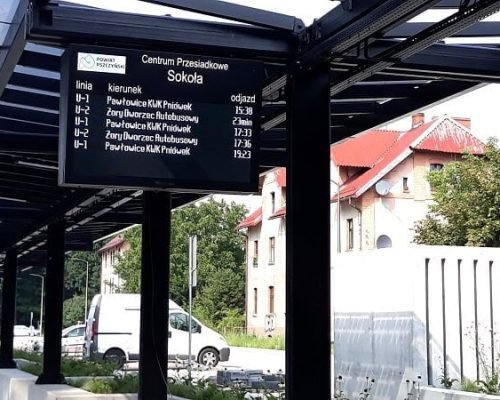
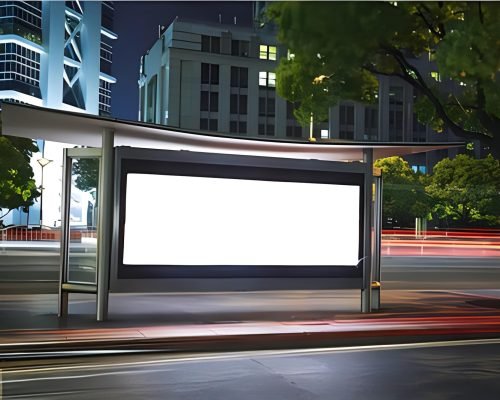
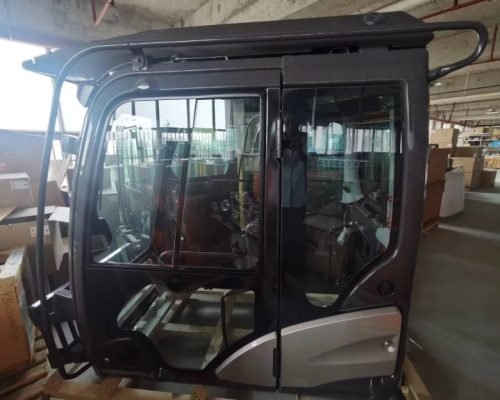
PlsTect works with coated plastics, films, glass, panels, covers, windows, and formed parts used in industrial, display, medical, automotive, outdoor, and high-touch applications. Each application may require a different balance of optical clarity, durability, cleanability, processing compatibility, and long-term use performance.



Start Your Project Review
Share your performance requirements, typically we will respond with recommendations.