

Anti-Fingerprint Solution for Touch Interfaces
Reduce fingerprint visibility, improve cleanability, and maintain a cleaner surface appearance for touch-driven transparent components.
When Surface Contamination Becomes a User Experience Problem
On high-touch surfaces, fingerprints are not only a cosmetic issue. Oil residue, smudges, and repeated cleaning can affect visual quality, interface perception, and long-term surface maintenance.
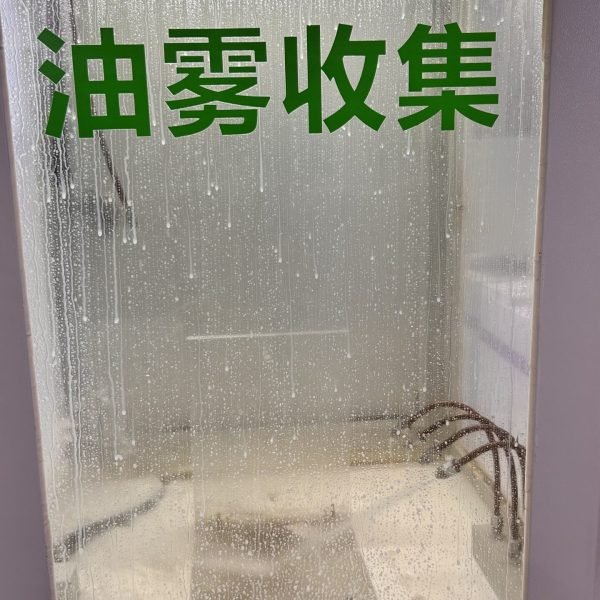
Oil Residue Build-Up
Finger oils remain on glossy surfaces and become increasingly visible.
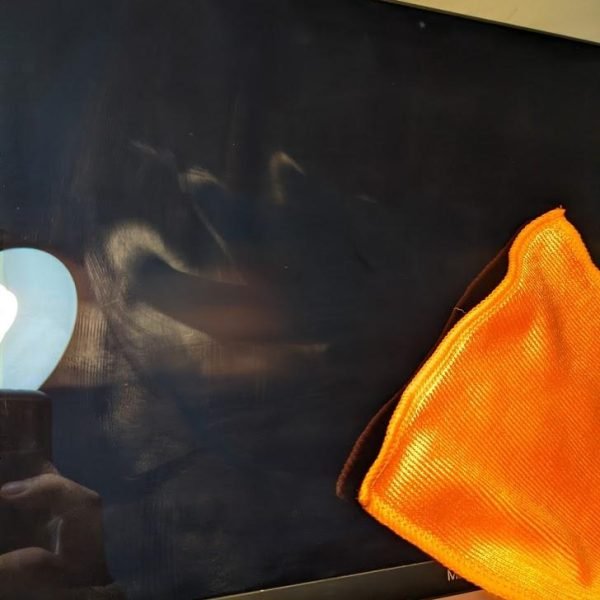
Frequent Cleaning
Repeated wiping increases maintenance frequency and labor.
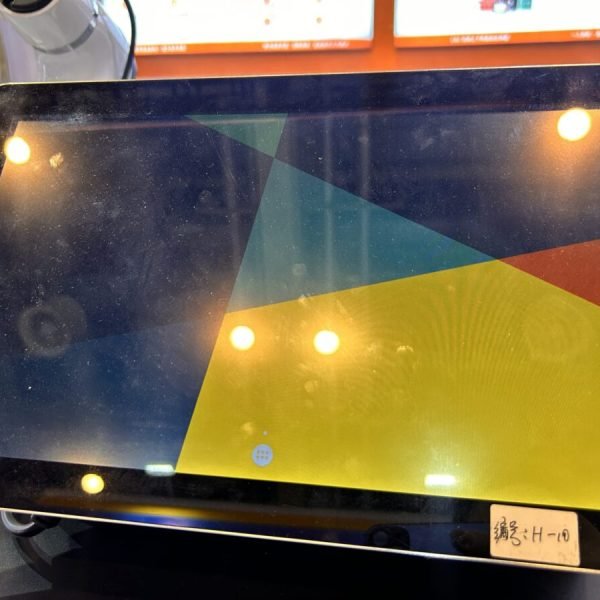
Visual Degradation
Smudges reduce perceived product quality and interface clarity.
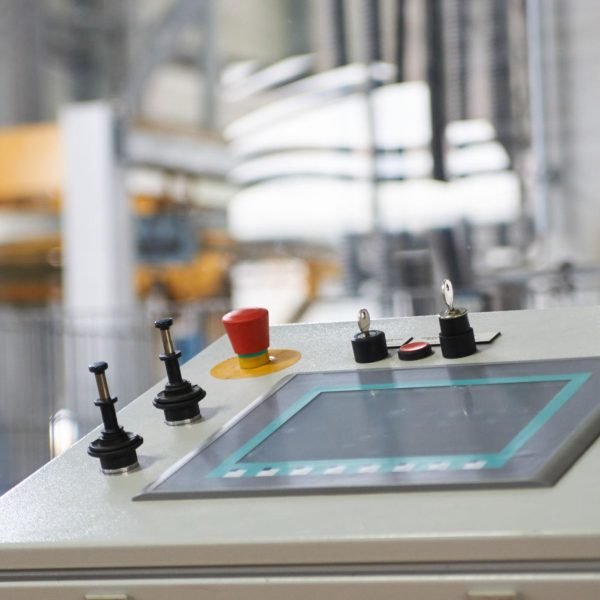
Surface Wear Risk
Aggressive cleaning may damage untreated surfaces over time.
Why Fingerprints Become Visible on Transparent Surfaces
Fingerprints become noticeable when skin oils transfer to the surface, adhere to the material, and interfere with light reflection or surface appearance. Anti fingerprint treatment helps control this interaction by reducing oil adhesion and improving wipe-off behavior.
AF Surface(Anti Smudge)
↓Obsolete Finger Touch
↓Reduced Adhesion
↓Lower Residue Visibility
↓Easier Wipe-Off
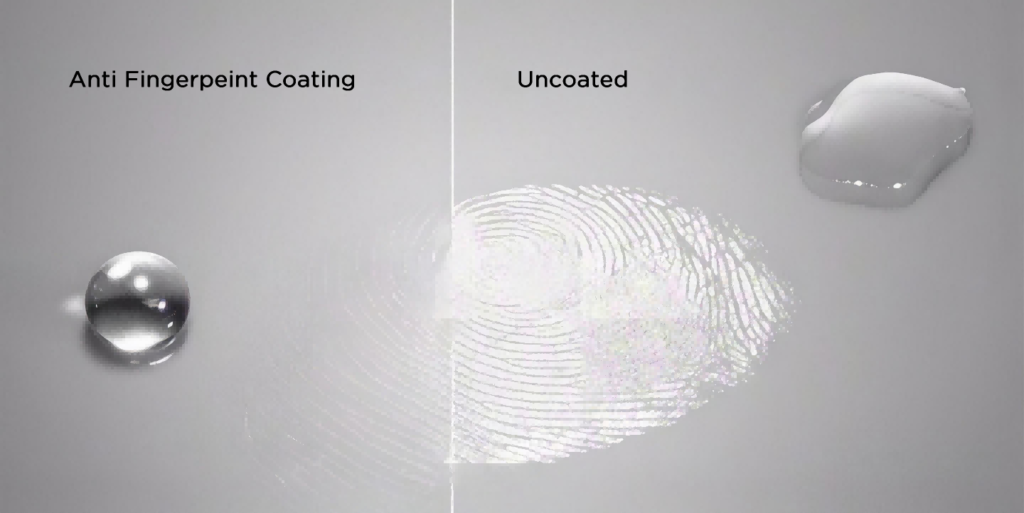
Comparison before and after the anti-fingerprint coating application
Untreated Surface
↓Obvious Finger Touch
↓Oil Adhesion
↓Visible Smudges
↓Frequent Cleaning
Reduced Fingerprint Visibility
Lower oil adhesion helps reduce visible residue.
Easier Cleaning
Surface contaminants can be removed more efficiently.
Interface Appearance Stability
Maintain a cleaner and more premium-looking interface over time.
Surface Performance for Anti Fingerprint Design
Anti fingerprint performance(people usually call anti smudge or anti oil) must be balanced with optical clarity, abrasion resistance, touch feel, gloss level, and cleaning durability. The right coating route depends on how the surface is used, cleaned, and viewed.
Requirement
Consideration
Fingerprint resistance
Surface energy optimization
Optical clarity
Surface texture influence
Gloss appearance
Fingerprint visibility sensitivity
Abrasion resistance
AF layer durability
Touch feel
Friction and tactile response
Cleaning frequency
Wipe resistance requirement
How to Choose the Right Anti Fingerprint Route
Anti fingerprint coating can be used alone or combined with hard coat, anti glare, or anti reflective layers. Route selection should be based on contact frequency, optical requirements, cleaning conditions, and durability expectations.
AF Only
For decorative or low-contact surfaces.
For repeated touch and frequent cleaning environments.
For optical interfaces requiring both reflection reduction and cleaner appearance.
For glare-controlled touch interfaces.
Compatible with Engineered Transparent Components
PlsTect supports anti fingerprint solutions across glass, polycarbonate, acrylic, PET, and coated transparent substrates, with integration options including printing, cutting, bonding, lamination, and finished interface component delivery.
- Target surface appearance
- Readability expectations
- Lighting conditions
- Substrate selection
- Fabrication feasibility
- Durability requirements
From Coating to Usable Parts
Coating selection is often only one part of the final product requirement.
When coated plastic, film, or glass needs to become a usable panel, cover, window, or interface surface, PlsTect can also review fabrication needs such as cutting, CNC machining, bending, forming, printing, bonding, and edge finishing.
This helps the selected surface function move closer to the final part form required by the application.
CNC Cutting and Milling
For coated panels, covers, windows, and custom parts that require accurate dimensions, openings, slots, or mounting features.
Hot Bending and Forming
For applications where the coated material needs to follow a curved, angled, or formed product structure.
Printing and Masking
For display covers, control panels, interface surfaces, decorative borders, logos, or protected visual areas.
Bonding and Lamination
For parts that require layered structures, film combinations, adhesive bonding, or assembled surface systems.
Edge Finishing
For panels, covers, and windows where edge quality, handling safety, appearance, or dimensional control matters.
Handling and Assembly Protection
For coated surfaces that need protection during fabrication, packaging, transport, installation, or final product assembly.
Cleaning and Long-Term Use
For parts that will be touched, wiped, cleaned, exposed, or repeatedly handled after fabrication.
Functional Enhancements: Interface Integration
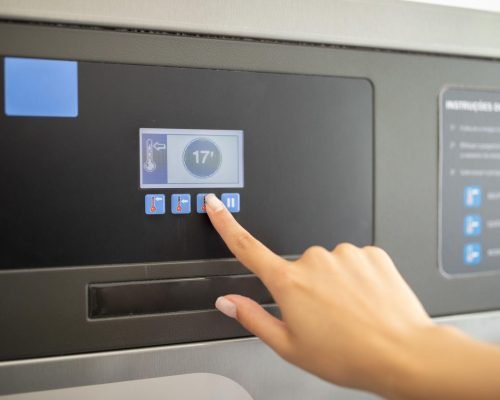
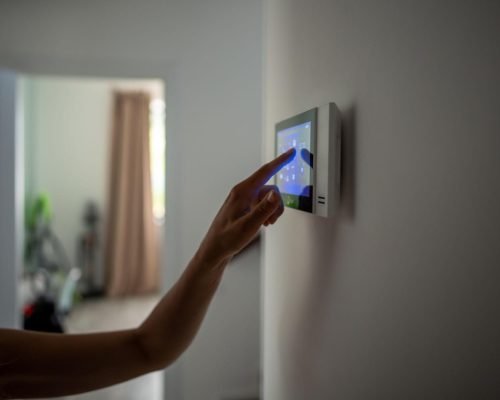
In certain applications, additional functional layers may be integrated to enhance system-level stability and performance.For environments with electronic interference or signal sensitivity, a conductive layer can be integrated to improve system stability.


Project Development Workflow
From concept definition to mass production implementation.
A structured engineering workflow ensures efficient development, performance validation, and reliable production implementation.
Requirements
Specifications and performance targets
Selection
Coating system definition
Sampling
Sample preparation for evaluation
Validation
Performance testing and confirmation
Pilot Study
Process stability verification
Production
Mass manufacturing implementation
* Early-stage technical communication significantly reduces development risk and timeline.
Related Support At PlsTect
Surface Solutions Page
Use When You Need
Better surface durability and cleaning resistance
Reduced dust attraction and static build-up
Clearer viewing in humid or condensation-prone areas
Lower visual discomfort under strong lighting
Reduced reflection and improved viewing clarity
Better stability for outdoor or semi-outdoor exposure
Supporting Page
Issues We do to Help
Help with material matching, processing review, and sample discussion
Information about validation, testing, process control, and repeatability
Send drawings, samples, surface problems, or project requirements
Frequently Asked Questions
Anti fingerprint(anti smudge) performance depends on surface structure, coating route, substrate compatibility, cleaning conditions, and interface requirements.
These questions address common considerations in transparent interface and touch-surface applications.
Does anti fingerprint coating completely eliminate fingerprints?
No. Anti fingerprint coating is designed to reduce oil adhesion, lower fingerprint visibility, and improve cleanability.
Fingerprints may still appear under certain lighting or heavy usage conditions, but they are generally less noticeable and easier to remove.
What is the main purpose of anti fingerprint coating?
The primary purpose is to improve surface usability and appearance stability on high-touch interfaces.
Anti fingerprint treatment helps reduce smudging, simplify cleaning, and maintain a cleaner visual appearance during daily operation.
Can anti fingerprint coating be combined with hard coat?
Yes. Anti fingerprint coating is often combined with hard coat layers in touch interfaces and frequently cleaned surfaces.
This combination helps balance cleanability, surface durability, and long-term wiping resistance.
Will anti fingerprint coating affect optical clarity?
A properly designed anti fingerprint solution can maintain high optical transparency while improving surface behavior.
However, coating structure, gloss level, and surface texture may influence visual appearance depending on the application.
What materials support anti fingerprint coating?
Anti fingerprint treatment can be applied to multiple transparent substrates, including glass, polycarbonate, acrylic, PET film, and coated composite structures.
Is anti fingerprint coating suitable for industrial touch interfaces?
Yes. Anti fingerprint surface solutions are widely used in industrial HMIs, control panels, appliance interfaces, medical displays, and other high-contact transparent surfaces where cleanability and visual quality are important.
What is the difference between anti fingerprint and easy-clean coating?
Anti fingerprint coating mainly focuses on reducing oil residue visibility and improving touch-surface appearance.
Easy-clean coatings may focus more broadly on reducing contaminant adhesion and simplifying surface maintenance.
Is anti fingerprint coating durable under repeated wiping?
Yes. By reducing surface adhesion to oils and contaminants, anti fingerprint treatment can make fingerprints and smudges easier to wipe away, reducing cleaning effort and maintenance frequency.
Does coating thickness affect performance?
Durability depends on the coating system, substrate, cleaning method, and environmental conditions.
For repeated-touch environments, anti fingerprint layers are often combined with abrasion-resistant hard coat structures.
Can anti fingerprint coating be integrated with AR or AG solutions?
Yes. Anti fingerprint layers are frequently integrated with anti reflective or anti glare surface strategies to support cleaner appearance, reflection control, and touch usability within the same interface structure.
Start Your Coating Discussion
Share your performance requirements, typically we will respond with recommendations.