

Coating and Forming Review for Curved Windshields and Windscreens
For motorcycle, UTV, ATV, LSV, specialty vehicle, marine, and equipment windshield projects, thermoformable anti-scratch coating gives buyers a more realistic route than treating an ordinary flat hard-coated sheet as the whole answer.
PlsTect supports formed windshield and windscreen projects by reviewing coating, substrate, thickness, geometry, forming route, and final-part validation together.
When Flat Hard-Coated Sheet Is Not Enough
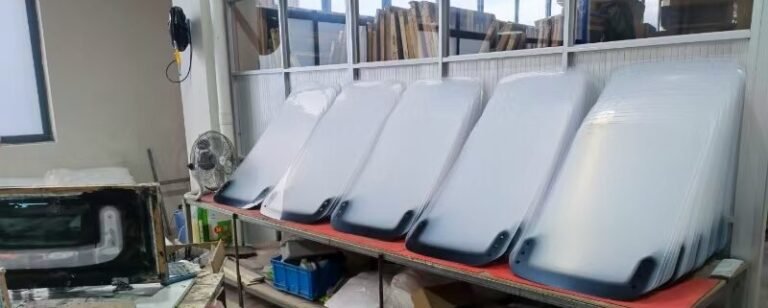
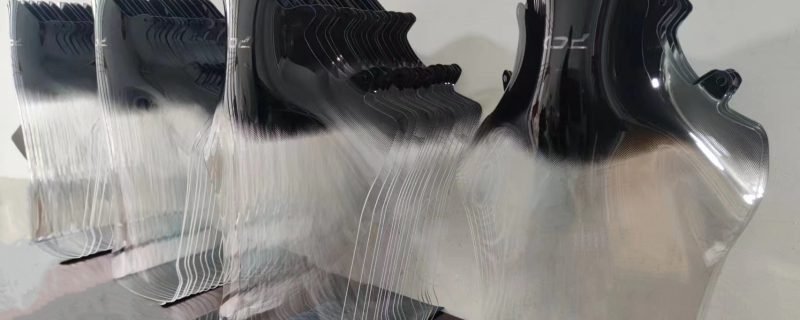
A flat, hard-coated plastic sheet is useful when the final part remains flat or only requires limited fabrication. Formed windshields and windscreens are different. The material is heated, shaped, cooled, trimmed, drilled, mounted, cleaned, and finally used as a curved transparent part.
This process creates risks that are not visible from flat-sheet review alone. The coating may experience stress during forming. Tooling contact may affect the surface. Smaller radii may create higher-stretch zones. Mounting holes and edges may behave differently from the center viewing area. Optical appearance may also change after heat forming, especially on larger or more curved parts.
Can this coated material become this specific windshield shape while keeping the required surface, optical, and project performance after forming?
When Surface Durability and Forming Need to Work Together
For some curved windshield projects, Thermoformable Anti-Scratch Coating may be a relevant route. But the coating decision still needs to be reviewed together with material, thickness, heating profile, tooling, curvature, and final validation.
Material and Coating Selection
Confirm whether the substrate and coating route match the intended transparent part, surface requirement, and forming process.
Geometry and Forming Feasibility
Review radius, forming depth, part size, thickness, and whether the drawing fits the intended forming route.
Sample or Forming Trial
Check how the coated material behaves after heating, forming, cooling, trimming, and handling.
Formed-Part Validation
Review the final part surface, optical appearance, geometry, edge zones, and mounting areas before production.
Windshield and windscreen projects may use different material routes. Polycarbonate, acrylic, tempered glass, monolithic glass, and laminated glass can all appear in vehicle, marine, equipment, and specialty glazing projects.
This page focuses on formed plastic windshield and windscreen projects where the coating route, forming geometry, and final-part validation need to be reviewed together. Heat-bent or curved glass projects may follow different equipment, process, and validation routes and should be reviewed separately when glass is the intended material.
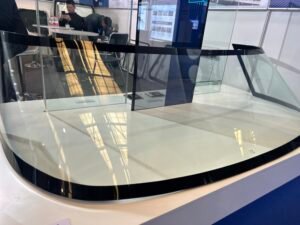
Where This Route Fits
Aftermarket and Private-Label Vehicle Windshields
Motorcycle, UTV, ATV, LSV, and specialty vehicle windshield projects often need repeatable forming, clear viewing areas, and better handling durability.
Low-Speed, Utility, and Fleet-Use Windscreens
Delivery vehicles, sightseeing carts, utility vehicles, and low-speed electric platforms may use formed transparent fronts or side panels for outdoor or semi-outdoor use.
Marine and Outdoor Curved Transparent Parts
Boat windscreens, yacht windshield panels, and outdoor curved transparent parts may use formed plastics, tempered glass, or laminated glass depending on design, installation, optical expectation, and durability requirements. For plastic routes, coating and forming behavior should be reviewed together. For glass routes, heat bending, tempering, lamination, and edge processing may need a separate project review.
Equipment Covers and Protective Viewing Panels
Curved covers, observation panels, and transparent equipment components may share similar forming, coating, viewing quality, and validation questions.
Radius, Thickness, Forming Depth, and Tooling Matter
A formed windshield project cannot be judged only by material name. Geometry is often the real decision point.
A shallow curve and a deep compound-formed windshield are not the same project. High-stretch zones, tight radii, large viewing areas, and mounting points can create different risks. In some cases, the material route may be suitable, but the design or forming process may still need adjustment before sampling.
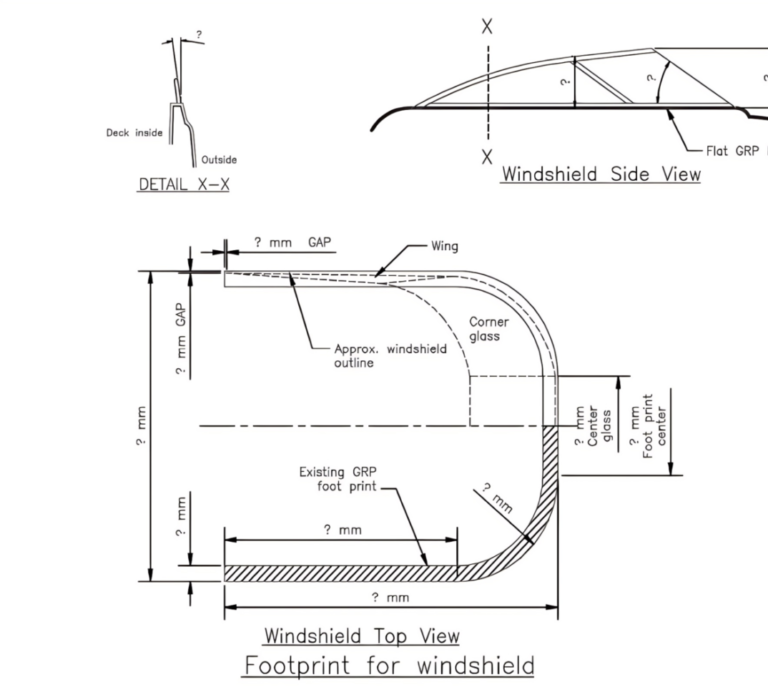
Part Geometry
- Part size
- Sheet thickness
- Bend radius
- Forming depth
- Single or compound curvature
Fabrication Route
- Heating method
- Tooling contact surface
- Trimming and CNC cutting requirements
- Holes, slots, and mounting areas
- Edge quality expectations
Project Requirement
- Optical tolerance across the viewing area
- Expected production quantity
- Application environment
- Required surface performance
- Sample or production stage
From Coated Sheet to Finished Curved Windshield
A formed windshield project moves through different material states. Keeping these stages separate helps avoid overclaiming and improves project judgment.
Flat-sheet performance is useful as an input, but it is not the final proof. The finished windshield or windscreen still needs to be reviewed after forming, trimming, drilling, and handling.
Flat Coated Sheet
Review base material quality, coating appearance, surface feel, flat-sheet clarity, and basic surface durability before forming.
Formable Coated Sheet
Review whether the coated material can tolerate controlled forming conditions, including heat, radius, forming stress, and tooling contact.
Formed Finished Part
Review the actual windshield after forming, trimming, drilling, and handling for surface condition, optical appearance, geometry, and mounting areas.
Flat coated samples can help buyers understand appearance, clarity, coating touch, and basic surface behavior. This is useful for narrowing the material direction.
For a formed windshield project, the next step should be a formed sample or representative forming trial. This helps reveal whether the coating and substrate remain suitable after heating, forming, cooling, trimming, and handling.
Before mass production, the final formed part should be checked according to the project requirement. PlsTect does not treat flat-sheet performance as automatic proof of finished windshield performance.
Validation May Include
- Visual surface inspection
- Optical appearance review
- Fit and geometry review
- Edge and mounting area review
- Cleaning or handling simulation
- Abrasion or scratch-related checks
- Customer-specific validation
Information That Helps Us Review Your Formed Windshield Project
Part Information
- Drawing, 3D file, or reference sample
- Target material, such as polycarbonate or acrylic
- Target thickness
- Overall part size
- Curvature, radius, or forming depth
Application Information
- Motorcycle, UTV, ATV, LSV, marine, equipment, or specialty vehicle
- Outdoor or semi-outdoor use
- Optical requirement for the viewing area
- Required surface performance
- Current problem with an existing windshield or windscreen
Production Information
- Expected production quantity
- Trimming, drilling, mounting, or edge details
- Concept, sample, or production stage
- Required validation step
- Packaging or private-label requirement if relevant
FAQs
What should be checked before using hard-coated sheet for a formed windshield?
Before using a hard-coated sheet for a formed windshield, the project should review thickness, radius, forming depth, tooling contact, trimming, mounting areas, optical appearance, and final-part validation. Flat-sheet performance alone does not confirm suitability for the finished curved windshield.
Is every formed windshield geometry suitable for this coating route?
No. Suitability depends on part size, thickness, radius, forming depth, tooling, and required surface performance. A shallow curved windshield and a deep compound-formed part may create very different forming risks. Geometry should be reviewed before the material route is confirmed.
Does forming affect surface or optical performance?
It can. Heat, stretching, tooling contact, cooling, trimming, and handling may affect surface condition or optical appearance. This is why formed-part validation matters. The final windshield should be reviewed after forming, not only as a flat coated sheet.
When should sample testing be arranged?
Sample testing should be arranged before mass production, especially when the part has complex curvature, strict optical requirements, outdoor use, or repeated cleaning requirements. A formed sample gives more useful project feedback than flat-sheet review alone.
Can formed windshields use glass instead of plastic?
Yes. Some yacht, low-speed vehicle, equipment, and specialty windshield projects may use tempered glass, monolithic glass, multilayer glass, or laminated glass. These routes are different from plastic sheet thermoforming and may involve heat bending, tempering, lamination, edge processing, and different validation requirements. If the intended material is glass, the project should be reviewed through a separate glass-forming and glazing route.
Start with a Drawing, Sample, or Forming Requirement
Share your drawing, sample, or surface requirement. PlsTect can help review the material, coating, and processing direction for your equipment window or transparent panel project.