

Anti-Static Solutions for Dust Control and ESD Protection
Control electrostatic charge on plastic and composite surfaces —reduce dust attraction, improve cleanliness, and protect sensitive electronics.
Where Static Becomes a Problem
Electrostatic charge buildup is a common issue in plastic materials such as polycarbonate and acrylic.
Without a discharge path, static accumulates on the surface, leading to:
– Dust attraction and contamination
– Reduced optical clarity and cleanliness
– Interference with precision processes
– Damage to sensitive electronic components (ESD risk)
These issues are especially critical in industrial equipment, clean environments, and electronic systems.

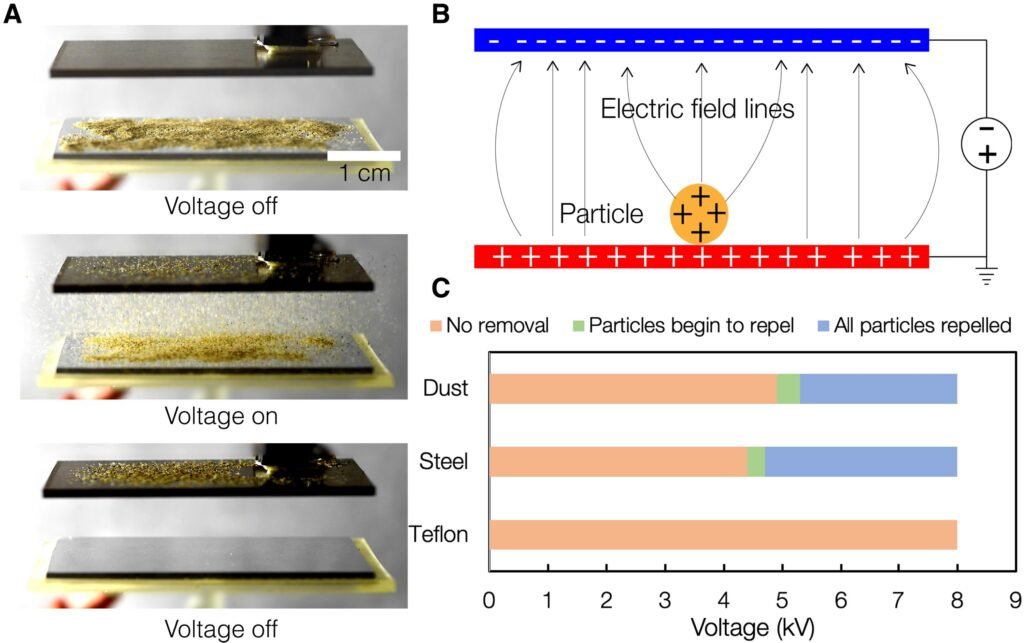
Why Static Builds Up
Most engineering plastics are electrically insulating. During handling, friction, or environmental interaction,
they accumulate electrostatic charge but cannot dissipate it.
This results in:
– Surface charge accumulation
– Attraction of airborne particles
– Uncontrolled electrostatic discharge
Without proper surface engineering, static becomes a persistent and invisible performance risk.
Common Surface Problems Caused by Static Build-Up
Problems
Typical Environment
Recommended Route
Dust accumulation
Cleanroom windows
Anti Static Coating
Particle attraction
Industrial equipment covers
Anti Static + Hard Coat
Static Discharge Risk
Electronics interface
Static dissipative surface
Visibility degradation
Inspection panels
Anti Static + Anti Reflection
From Anti-Static to Conductive — Selecting the Right Level
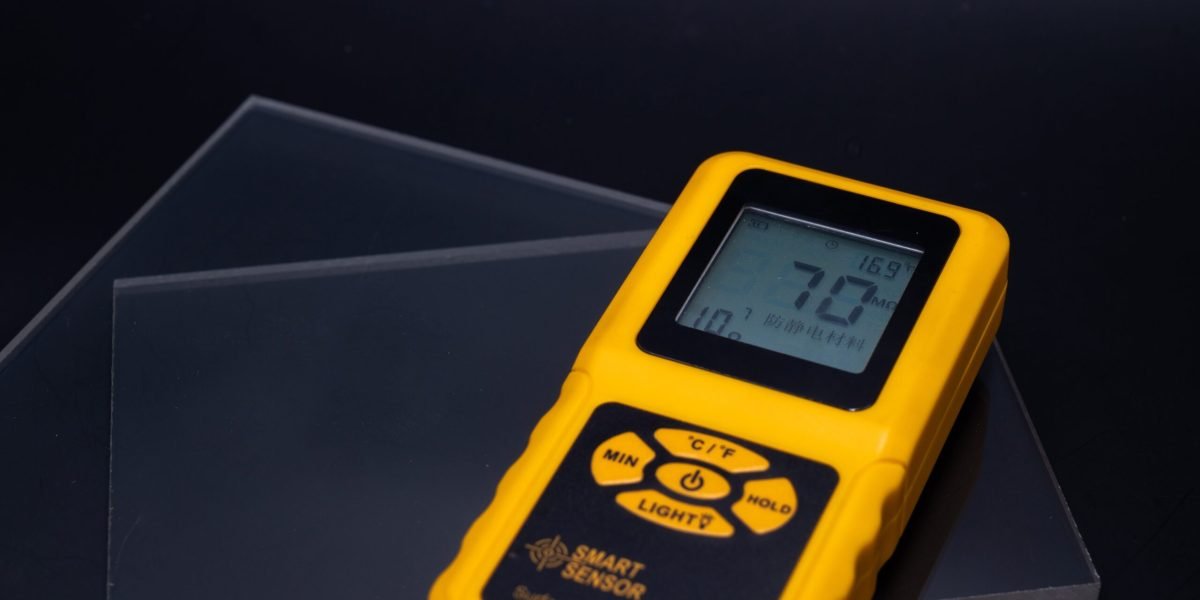
Electrostatic discharge (ESD) protective and preventive materials are typically classified into three distinct categories based on their surface electrical resistivity: conductive, dissipative, and insulative. Among these, anti-static materials—characterized by a surface resistivity ranging from 10⁶ to 10⁹ Ω/sq—are widely employed in industrial applications.

More Than a Coating — Integrated Surface Engineering
We do more than apply coatings — we design surface systems around the final application.
Anti-static performance is not an isolated property. Rather, it must be holistically integrated with other critical surface and structural requirements.
To achieve this, we develop engineered multi-layer solutions that synergistically combine:
– A hard coat layer to ensure abrasion resistance.
– Anti-glare or anti-reflective coatings to maintain optical clarity.
– Functional conductive or dissipative layers for precise electrostatic control.
– Precision fabrication processes—including CNC machining, thermoforming, and lamination.
This integrated approach guarantees robust electrostatic performance while fully preserving mechanical durability, visual transparency, and manufacturing feasibility.
Integration Solution
Projet-based solution,coating development, and fabrication service under coordinated control.
Engineering Collaboration
Work as one technical team, full participation and supporting from matirial to performance.
Manufacturing Consistency
Process control and testing are designed for repeatable production and validated quality.
Global Techinical Online Support
Experience across multiple regions and industries,abide by the local regulations.
From Coating to Usable Parts
Coating selection is often only one part of the final product requirement.
When coated plastic, film, or glass needs to become a usable panel, cover, window, or interface surface, PlsTect can also review fabrication needs such as cutting, CNC machining, bending, forming, printing, bonding, and edge finishing.
This helps the selected surface function move closer to the final part form required by the application.
CNC Cutting and Milling
For coated panels, covers, windows, and custom parts that require accurate dimensions, openings, slots, or mounting features.
Hot Bending and Forming
For applications where the coated material needs to follow a curved, angled, or formed product structure.
Printing and Masking
For display covers, control panels, interface surfaces, decorative borders, logos, or protected visual areas.
Bonding and Lamination
For parts that require layered structures, film combinations, adhesive bonding, or assembled surface systems.
Edge Finishing
For panels, covers, and windows where edge quality, handling safety, appearance, or dimensional control matters.
Handling and Assembly Protection
For coated surfaces that need protection during fabrication, packaging, transport, installation, or final product assembly.
Cleaning and Long-Term Use
For parts that will be touched, wiped, cleaned, exposed, or repeatedly handled after fabrication.
Project Development Workflow
From concept definition to mass production implementation.
A structured engineering workflow ensures efficient development, performance validation, and reliable production implementation.
Requirements
Specifications and performance targets
Selection
Coating system definition
Sampling
Sample preparation for evaluation
Validation
Performance testing and confirmation
Pilot Study
Process stability verification
Production
Mass manufacturing implementation
* Early-stage technical communication significantly reduces development risk and timeline.
Typical Applications
Anti-static solutions are widely used in environments where cleanliness and electrostatic control are critical.
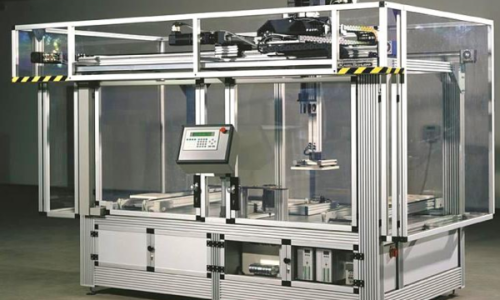
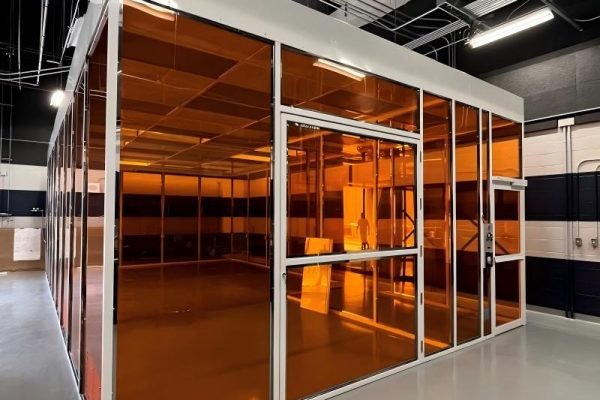
Equipment windows and enclosures can attract dust when static charge builds on transparent surfaces.
Anti-static coating helps reduce particle adhesion and keeps viewing areas easier to inspect and clean.
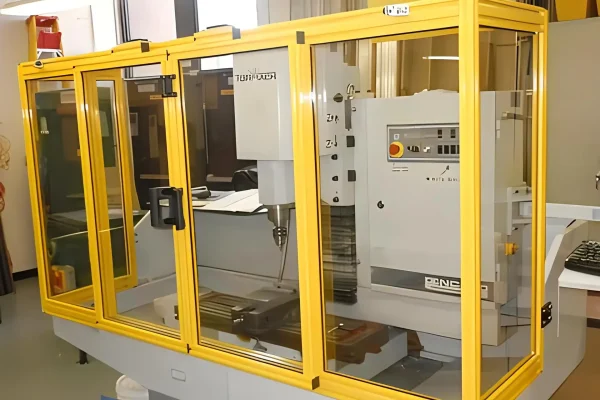
Machine protective panels are often exposed to dust, handling, cleaning, and moving equipment environments.
Anti-static surfaces help reduce dust build-up and support clearer, more maintainable protective panels.
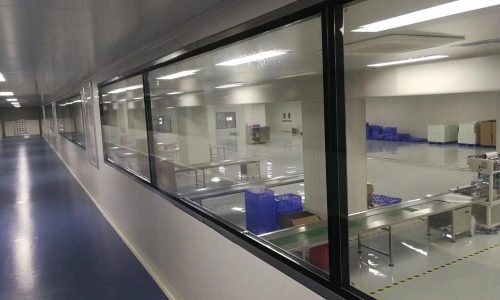
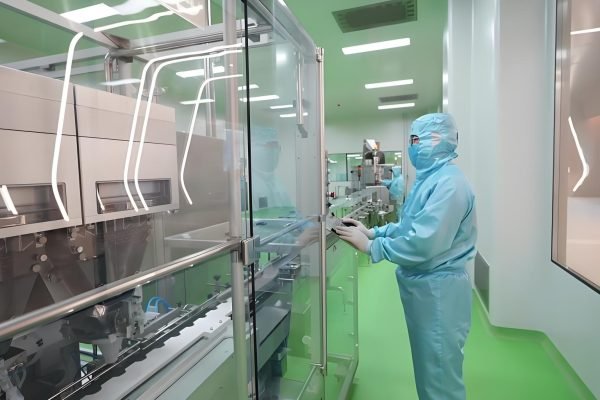
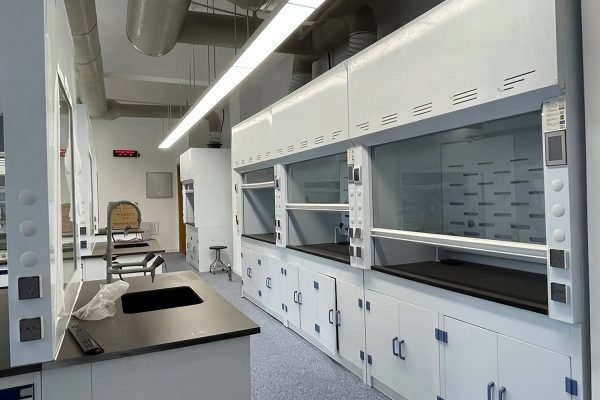
In cleanroom and dust-sensitive areas, static charge can cause particles to remain on plastic surfaces.
Anti-static coating helps support cleaner surfaces where dust control and visual clarity are important.
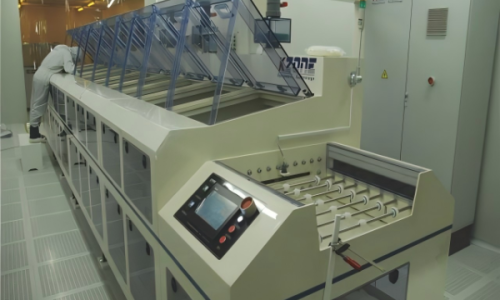
In cleanroom and dust-sensitive areas, static charge can cause particles to remain on plastic surfaces.
Anti-static coating helps support cleaner surfaces where dust control and visual clarity are important.
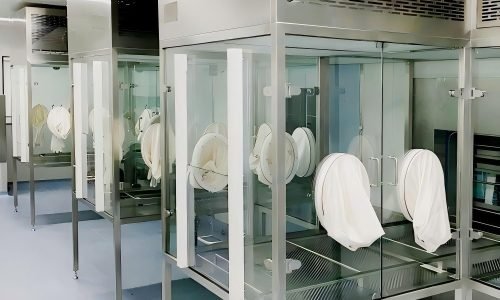
Inspection shields and transparent panels need stable visibility during checking, monitoring, or quality review.
Anti-static surfaces help reduce dust interference so operators can see through the panel more clearly.
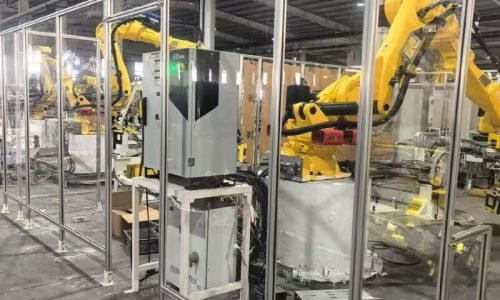
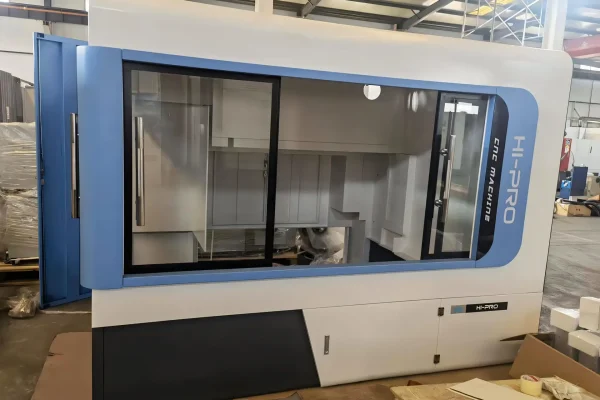
Automation and precision manufacturing areas often involve sensors, moving parts, and dust-sensitive surfaces.
Anti-static coating helps reduce particle attraction on panels, covers, and protective surfaces near critical processes.
Related Support
Surface Solutions Page
Use When You Need
Better surface durability and cleaning resistance
Clearer viewing in humid or condensation-prone areas
Lower visual discomfort under strong lighting
Reduced reflection and improved viewing clarity
Better stability for outdoor or semi-outdoor exposure
Surface Solutions Page
Related Project Support
Help with material matching, processing review, and sample discussion
Information about validation, testing, process control, and repeatability
Send drawings, samples, surface problems, or project requirements
FAQ
Find answers to common questions about anti static coating, application fit, and project evaluation.
What is the difference between anti-static and conductive surfaces?
Anti-static surfaces reduce charge buildup and dust attraction,
while conductive surfaces actively dissipate charge.
The choice depends on whether your application requires general cleanliness or strict ESD control.
Can anti-static be combined with anti-scratch or optical coatings?
Yes. In most industrial applications, anti-static performance is integrated with hard coating,
anti-glare, or anti-reflective layers to ensure both durability and visibility.
Is anti-static permanent?
It depends on the technology used.
We provide durable coating-based solutions designed for long-term performance in industrial environments.
Do you only supply coated sheets?
No. We provide integrated solutions including material selection, coating, and precision processing
to deliver ready-to-use components.
Start Your Coating Discussion
Share your performance requirements, typically we will respond with recommendations.