

Fabrication for Transparent Materials and Components
PlsTect fabricates polycarbonate, acrylic/PMMA, films and selected glass structures into machined panels, formed covers, printed interfaces, laminated panels and assembly-ready components. Projects can begin with a drawing, an existing sample or a preliminary requirement.
Fabrication Capability at a Glance
PlsTect fabricates transparent materials into custom panels, windows, covers and formed components for OEM and industrial applications.
Polycarbonate, acrylic/PMMA, films, PVC, laminated structures and selected glass routes.
Processes
CNC machining, cutting, drilling, forming, printing, bonding, lamination and assembly.
Components
Windows, covers, panels, formed parts, laminated panels and assembly-ready components.
Drawing, sample, specification, target requirement, quantity and packaging needs.
Core Fabrication Capabilities
The fabrication route is selected around the material, surface condition, part geometry and required delivery format.
Precision Machining
Cutting, CNC routing and milling, drilling, holes, slots and cut-outs for drawing-based panels and parts.
Forming and Shaping
Hot bending, cold bending, line bending, thermoforming, vacuum forming and curved transparent parts.
Printing, Bonding and Integration
Printing and masking, defined viewing and functional zones, adhesive bonding, lamination, hardware and assembly preparation.
Finishing, Inspection and Delivery
Edge finishing, surface protection, dimensional and visual inspection, labels, protective film, packaging and delivery preparation.
Available processes, part size, tolerance, tooling and acceptance criteria are confirmed against the selected material, surface condition and drawing.
Materials and Surface Routes for Fabricated Components
Material grade, surface condition, geometry and final component requirements shape the fabrication route.
Polycarbonate sheets, panels and laminated structures can be supplied as machined, formed or component-ready parts.
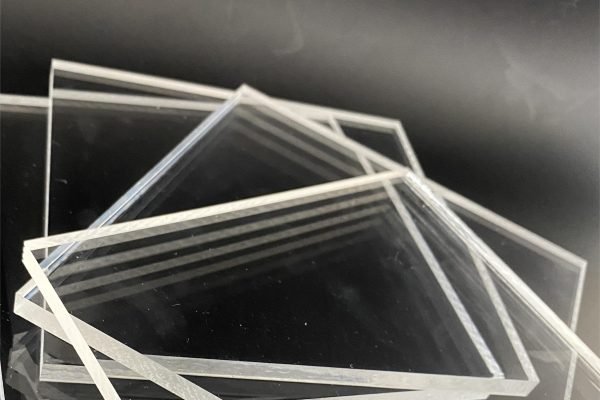
Acrylic / PMMA
Acrylic and PMMA routes can support clear covers, panels and display components where the material and process route are confirmed.
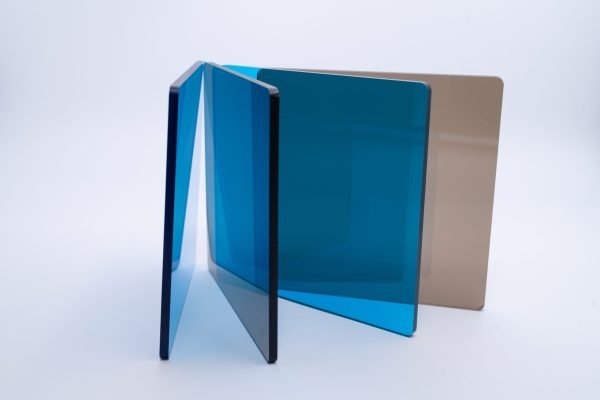
Film projects may include cutting, printing, masking, lamination and project-specific surface processing.
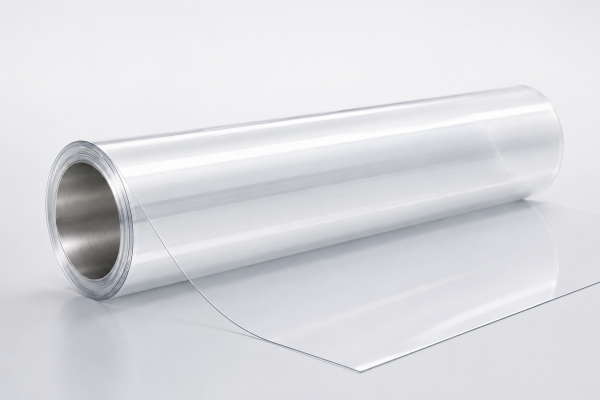
PVC
Transparent PVC projects are defined against the material specification and downstream component requirement.
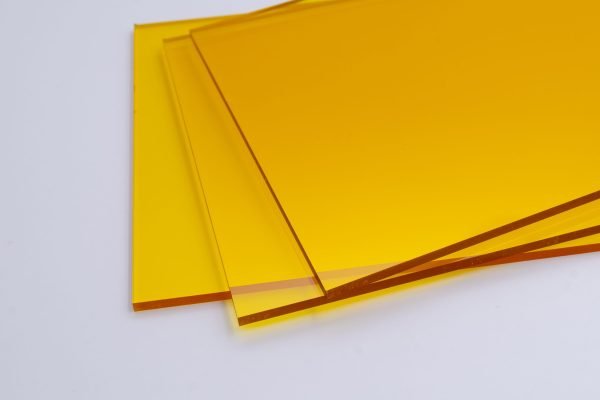
Selected glass projects are evaluated according to the glass construction, dimensions, processing route and final component requirements.
Functional Surface Routes
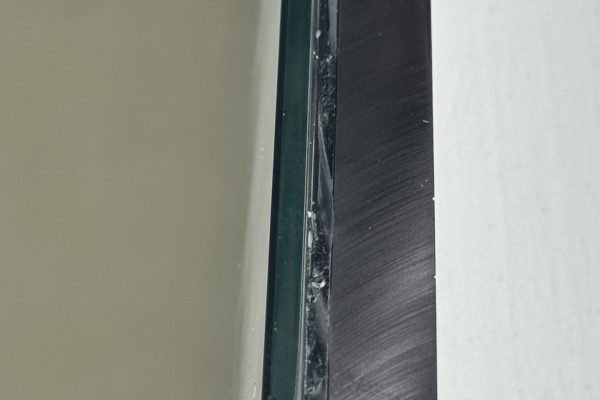
Define printed areas, bonding zones, untreated areas, holes, edges and mounting features before production.
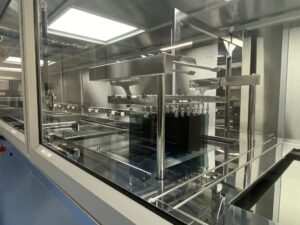
Hard-coated, anti-static, anti-glare, anti-reflective and anti-fog routes are considered against the intended fabrication sequence and final-part requirements.
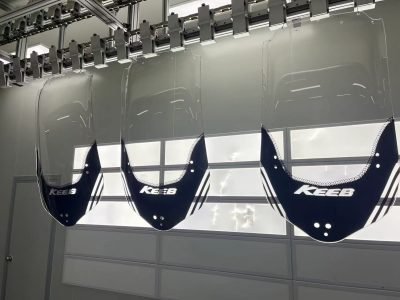
Hard-coated and other functional-surface materials require added control of treated sides, heat exposure, contact zones and final-part inspection.
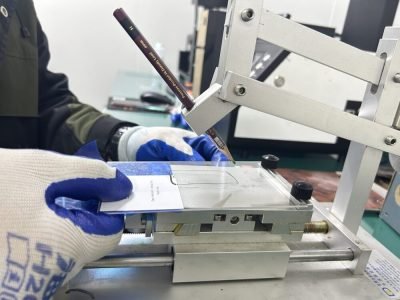
Functional-surface claims remain tied to the material, treatment, process sequence and agreed test or inspection method.
Fabricating Functional-Surface Materials
Hard-coated and other functional-surface materials require added control of treated sides, heat exposure, contact zones and final-part inspection.
Surface Identification and Protection
Confirm treated sides, critical viewing areas, protective film and processing contact zones before production.
Heat, Forming and Tooling Contact
Evaluate heat input, forming sequence, fixture contact and surface compatibility before bending or forming.
Printing, Bonding and Mounting Zones
Define printed areas, bonding zones, untreated areas, holes, edges and mounting features before production.
Final-Part Inspection and Revalidation
Inspect surface condition, appearance, dimensions, optical zones and any critical performance affected by the fabrication route.
Evidence Boundary
Functional-surface claims remain tied to the material, treatment, process sequence and agreed test or inspection method.
Component Types and Delivery Formats
Projects may begin with a drawing, an existing sample or a modification request, then move toward an approved part and delivery format.
From Drawing or Sample to Production
Share the drawing, sample, application, target dimensions, quantity, environment, surface needs and delivery expectations.
Material and Process Route
Define the substrate, functional surface and fabrication sequence for the intended component.
Drawing or Sample Confirmation
Confirm geometry, holes, critical zones, mounting interfaces, appearance and assembly requirements.
Prototype or Trial
Use a sample or trial when forming, interfaces, optical zones or surface performance require confirmation.
Confirm inspection points and acceptance criteria before the production release.
Production, Packaging and Delivery
Produce, protect, package and deliver the approved configuration according to the confirmed project requirements.
Engineering Support and Fabrication RFQ
Fabrication defines how the component is produced and delivered. Engineering support is added when material selection, geometry, optical zones, surface compatibility, structural interfaces, prototypes or custom acceptance criteria require further definition.
Engineering Triggers
Tight geometry, coated-part forming, critical optical zones, chemical exposure, prototype validation, structural interfaces, custom acceptance criteria or documentation requirements.
What to Include in Your Fabrication Request
Share the information already available. PlsTect can receive a drawing, an existing sample or a preliminary requirement and identify what still needs to be confirmed.
Drawing or sample • Material, if specified • Dimensions and thickness • Quantity • Surface requirement • Tolerances and critical zones
Holes, cut-outs and mounting details • Printing, bonding or lamination • Assembly and packaging • Application environment • Required testing or documentation
RFQ Review Boundary
Final feasibility, pricing, tooling, lead time and acceptance criteria are confirmed after the material, drawing and project conditions are reviewed.
Fabrication FAQ
Quick answers to common questions about materials, coated sheets, project inputs and quotation requirements.
What materials does PlsTect fabricate?
PlsTect supports fabrication routes for polycarbonate, acrylic/PMMA, films, PVC, laminated structures and selected glass routes. Available processes are confirmed against the material, surface condition, drawing and final component requirements.
Can PlsTect fabricate hard-coated or functional-surface polycarbonate?
Yes. CNC machining, forming, printing, bonding and component fabrication can be considered for hard-coated or functional-surface polycarbonate when the treated side, heat input, processing zones and final acceptance requirements are defined.
Can a project start from an existing sample?
Yes. A project can begin with an existing sample, modification notes, preliminary dimensions or a drawing. PlsTect then confirms the material, geometry, interfaces, quantity and required surface condition.
What information is needed for a fabrication quotation?
Provide the drawing or sample, material if known, dimensions, quantity, surface requirements, critical tolerances or viewing zones, assembly and packaging needs, application environment, and any required testing or documentation.
Send Drawing or Sample Details
Share your drawing, reference sample, target material, dimensions, quantity, surface requirements, fabrication steps, assembly needs, and intended application.
PlsTect will review the material, processing route, component requirements, sampling needs, and quotation conditions for your fabrication project.