

Optical Transparent Polycarbonate Sheet and Film
Clear optical-grade polycarbonate film and sheet for projects requiring high light transmission, controlled surface quality and low visual distortion. Standard clear grades are available in published thicknesses from 0.125 to 6.0 mm, with roll or cut-sheet supply and optional surface-functional routes for OEM applications.
Optical Quality Is More Than a Clear Appearance
A transparent polycarbonate sheet may look suitable at first glance, but optical projects require closer control of transmission, visual distortion, cleanliness, surface condition and the usable viewing area. Optical-grade selection starts with the complete material and component requirement—not visual transparency alone.
Light Transmission
Transmission should be reviewed together with material thickness, surface condition and the intended viewing or optical path.
Visual Distortion
Build the required panel thickness through two or three structural PC plies rather than relying on a single monolithic sheet.
Surface Cleanliness
Crystal points, gels, black specks, inclusions and contamination are evaluated against the agreed viewing area and inspection conditions.
Downstream Processing
Printing, forming, coating, PVD, lamination and machining can change the final optical result and should be reviewed as part of the complete component build.
Standard Product Specifications
The standard published clear optical-grade route uses polished surfaces and is available as film or sheet. Final supply format depends on thickness, width, quantity and downstream processing.
Surface: Polished / Polished
Color: Clear
Thickness: 0.125–6.0 mm
Standard widths: 927 mm / 1220 mm
Light transmission: 90%
Good weather resistance / UV-resistant quality
High clarity with minimal distortion
| Product Identity | Optical polycarbonate sheet and film / optical-grade polycarbonate film and sheet |
|---|---|
| Thickness | Standard published thickness range: 0.125–6.0 mm |
| Width | Standard published widths: 927 mm and 1220 mm |
| Transmission | Supplier-published light-transmission reference: 90% |
| Optical Quality | High clarity, controlled surface quality and low visual distortion |
| Surface Defects | Controlled against defect type, size, quantity, distribution, zone and viewing conditions |
| UV Resistance | Weather-resistant / UV-resistant quality available in the standard published grade |
| UV / NIR Spectral | Selected wavelength-specific routes can be reviewed against available spectral evidence |
Film, Roll and Cut-Sheet Supply
PlsTect provides optical polycarbonate in roll and cut-sheet formats. The suitable format is selected from the thickness, usable width, processing method, quantity and final component design rather than a fixed film-versus-sheet cutoff.
Optical Polycarbonate Film
Choose film for roll conversion, slitting, printing, die cutting, thermoforming, lamination, PVD and functional coating processes.
Optical Polycarbonate Sheet
Choose sheet for cut-to-size panels, CNC machining, drilling, contour cutting, hard coating and fabricated optical components.
Format Matching
Some thicknesses are available in more than one supply format. PlsTect matches the format to grade, width, quantity, protective film and processing needs.
Controlled Optical Surface Quality
PlsTect supplies optical polycarbonate under controlled visual-quality requirements. Inspection can cover crystal points or gels, black specks, foreign matter, scratches, streaks, dents, contamination and other visible surface conditions.
Optical Polycarbonate for Demanding OEMs
Optical polycarbonate sheets and films are used where transparent components require controlled optical quality together with low weight, impact performance, printing, forming or precision conversion.
The final grade and format should be selected around the viewing area, surface condition, processing route and operating environment.
Choosing Between Standard Transparent PC and Optical-Grade PC
| Comparison Point | Standard Transparent PC | Optical-Grade PC |
|---|---|---|
| Selection Basis | General transparency and mechanical use | Controlled viewing or optical requirement |
| Surface Quality | General commercial acceptance | Closer control of cleanliness, visible defects and distortion |
| Documentation | Standard material data | Agreed optical or inspection criteria where required |
| Processing | Common transparent parts | Process conditions aligned with the final optical result |
| Buyer Input | Size, thickness and fabrication requirements | Viewing area, optical target, surface quality, format and processing requirements |
Optical-grade suitability is determined by the complete specification, not by visual transparency alone.
Choose the Product based on the Final Requirement
Start with the component format, viewing area, surface condition and downstream process. Add a functionalized material or coating route only when the finished product requires it.
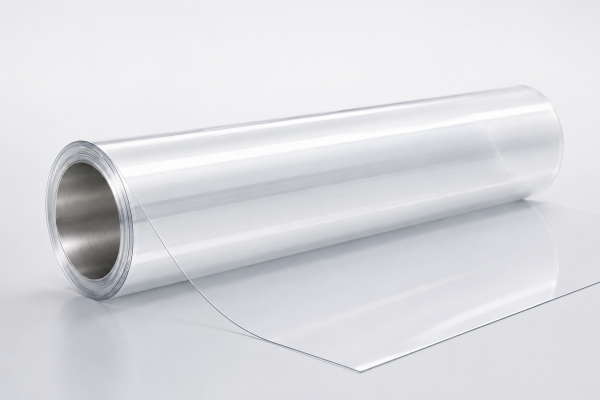
Optical Film
Use film when the project requires roll conversion, thin-format parts, printing, die cutting, lamination, forming or other web-based processing.
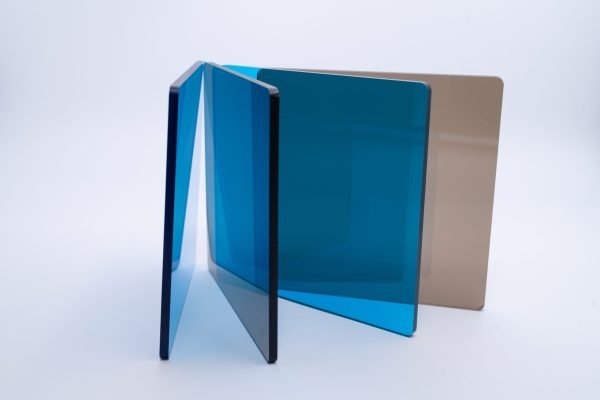
Optical Sheet
Use sheet when the project requires a rigid transparent panel, cut-to-size supply, CNC features, holes, edge details or independent component handling.
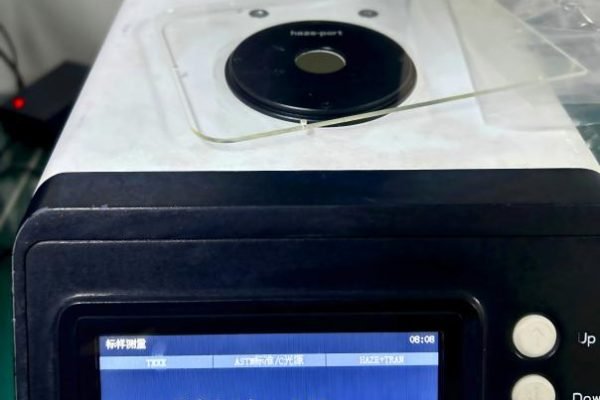
Optical Grade
Choose the clear polished base grade when the primary need is controlled optical quality and no additional surface or spectral function is required.
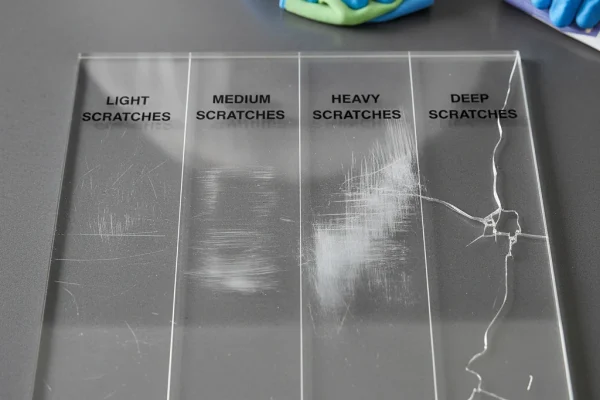
Functional Surface
Add hard coat, anti-reflective, anti-glare, anti-fingerprint or anti-fog treatment when the operating environment requires a defined surface function.
Wavelength-Specific Review
For a defined UV or near-infrared transmission or blocking target, include the wavelength, material thickness and component structure in the material request.
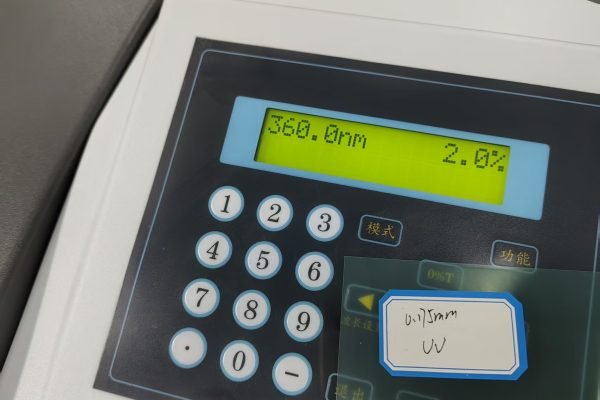
Add Surface or Spectral Functions When Needed
The clear optical grade is the base material. Select a separate functional route only when the product needs additional abrasion durability, reflection control, glare control, fingerprint control, fog control or infrared behavior.
Surface and Spectral Functions for Optical Polycarbonate

One-side and two-side hard-coat routes are available for exposed surfaces that need improved abrasion and handling durability. Compatibility with forming, printing and final use remains configuration-specific.
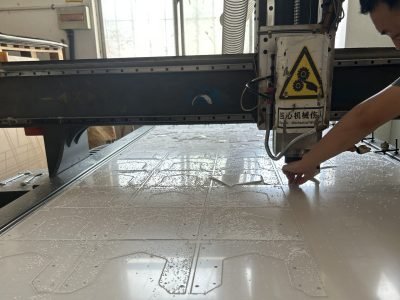
Anti-reflective, anti-glare, anti-fingerprint and anti-fog are separate surface routes. Choose the function that matches the viewing, touch or condensation requirement.
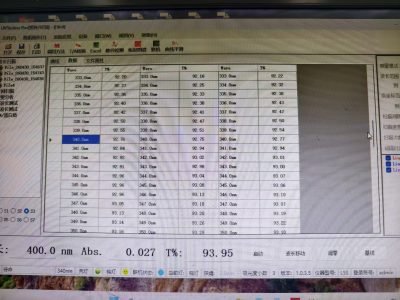
Infrared behavior requires a selected material or functional route matched to the target spectrum and component design.
Related Polycarbonate Products
Explore adjacent polycarbonate material routes when the finished component requires additional surface durability, a multi-layer construction, or a broader sheet and film supply option.
Hard-Coated Polycarbonate Sheet
For exposed transparent surfaces that require improved abrasion resistance, cleaning durability and protection against repeated handling.
Laminated Polycarbonate Panels
For projects requiring a defined PC/TPU layer construction, greater total thickness, or drawing- and sample-based OEM replacement panels.
Polycarbonate Sheets and Films
Explore standard solid sheets, optical films and sheets, hard-coated materials, laminated structures and project-specific polycarbonate supply routes.
Printing, Forming, Coating and OEM Processing
PlsTect provides optical polycarbonate together with format selection, optional surface functions, fabrication planning and delivery preparation for OEM projects.
Slitting and Cut-to-Size Supply
PlsTect provides roll slitting, sheet cutting and project dimensions matched to the selected grade, width and quantity.
Printing and PVD
Printing and PVD processes are specified with surface energy, cleanliness, protective film and final visual requirements. These processes are not presented as inherent spectral-control routes.
Thermoforming and Film Conversion
Forming feasibility depends on material thickness, draw ratio, temperature profile, surface treatment and final optical acceptance.
Lamination and Bonding
Adhesive, interlayer and lamination routes are selected for optical compatibility, bubble and haze control, and interface stability.
CNC, Drilling and Edge Details
PlsTect provides CNC profiles, holes, slots, edge finishing and drawing-based tolerances for suitable rigid sheet components.
Protective Film and Project Packaging
Protective film, clean handling and packaging are selected according to surface sensitivity, downstream processing and delivery requirements.
Delivery Scope and Performance at PlsTect
PlsTect supplies optical polycarbonate against the approved grade, format, dimensions, surface configuration, drawing, sample, quotation or purchase specification.
Delivery Scope
The agreed scope can include film or sheet format, nominal thickness, width and length, surface configuration, processing features, protective film and packaging.
Optical Specification
Transmission, haze and spectral performance apply when the value, material configuration and inspection or test method are included in the approved specification.
Revalidation After Processing
Printing, coating, PVD, forming, lamination, bonding, machining and assembly can change the final optical result. The finished component may therefore require confirmation against its own acceptance criteria.
Quality Issue Review
A suspected manufacturing issue is reviewed against the order reference, batch information, supplied sample or panel, photographs and the agreed specification. Corrective action follows the confirmed cause and commercial agreement.
*Final optical performance depends on the selected material grade, thickness, wavelength range, surface condition, processing route and test method.
FAQs
Common questions about optical-grade polycarbonate, film and sheet formats, optical specifications, processing and project evaluation.
What makes polycarbonate “optical grade”?
Optical-grade polycarbonate is selected around more than transparent appearance. Light transmission, haze, visual distortion, surface cleanliness, visible defects and the usable viewing area may all need to be controlled against defined inspection conditions.
What is the difference between optical-grade and standard transparent polycarbonate?
Standard transparent polycarbonate is often suitable for general protection, fabrication and industrial viewing applications. Optical-grade polycarbonate is considered when a display, viewing path, optical cover or precision component requires more controlled surface quality and visual performance.
Should I choose optical polycarbonate film or sheet?
Film is generally selected for roll conversion, slitting, printing, die cutting, lamination, forming and other thin-format processing. Sheet is generally selected for rigid panels, cut-to-size supply, CNC machining, drilling and independently handled components.
The final format should be selected according to thickness, width, quantity and downstream processing rather than a fixed film-versus-sheet cutoff.
Can optical polycarbonate be printed, formed, coated or machined?
No. The 90% value is a supplier-published reference for the standard clear grade, not a universal value for every thickness and configuration.
Actual transmission depends on material grade, thickness, wavelength range, surface condition, processing route and test method.
Can you review UV- or near-infrared-specific requirements?
Yes. Selected wavelength-specific transmission or blocking routes can be reviewed when the target wavelength range, minimum transmission or blocking requirement, material thickness, component construction and test conditions are provided.
These properties should not be assumed from the standard clear grade alone.
What information is needed for a sample or quotation?
Please provide the intended application, film or sheet format, thickness, dimensions, quantity, usable viewing area, transmission or haze requirement, wavelength target where applicable, acceptable surface condition, downstream processing and any required functional coating.
Drawings, samples, photographs and existing material specifications are also helpful.
Request a Optical PC Quote
Share your target construction, total thickness, panel dimensions, quantity, surface conditions and machining requirements. PlsTect will review the panel configuration, OEM manufacturing route and quotation requirements.