

Motorcycle Windshields Made Better by Coating
Hard-coated polycarbonate windshield and windscreen project support for buyers who need surface durability, optical clarity, formability, and OEM/private-label fabrication review in a single development route.
PlsTect supports windshield projects where coating performance, polycarbonate material selection, forming geometry, and final part requirements must be reviewed together.
Windshields Need More Than a Clear Shape
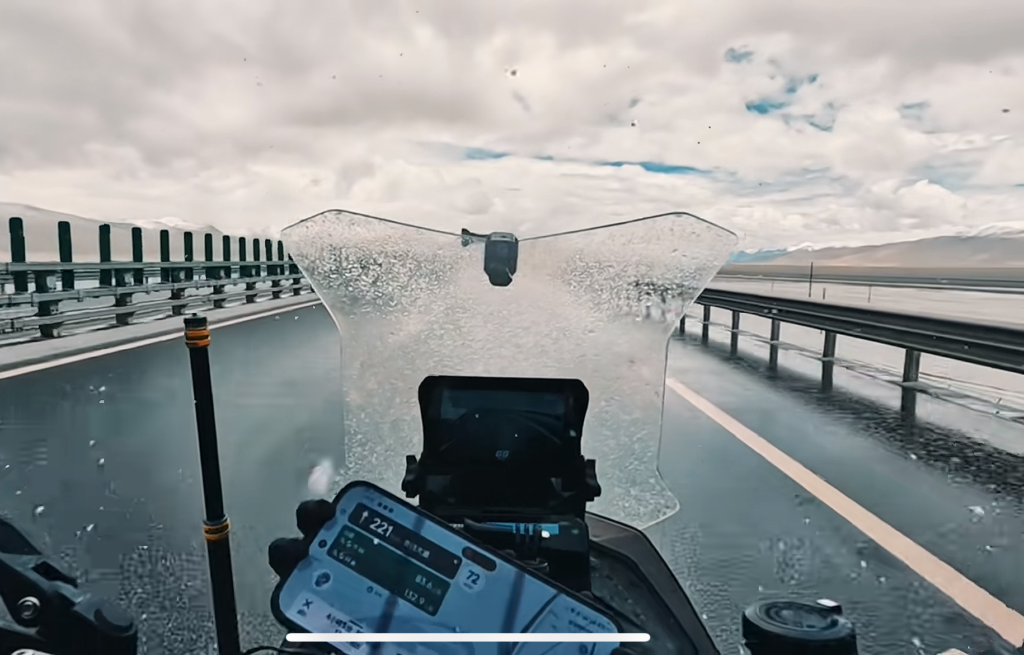
A motorcycle windshield may look like a simple transparent part, but its performance depends on much more than shape. The part must preserve visibility while facing outdoor exposure, cleaning contact, airflow, vibration, and repeated handling during real use.
For polycarbonate windshields and windscreens, the final result is affected by the material, coating system, forming geometry, optical area, edge finishing, and mounting details. These requirements should be reviewed together before production, especially when the project involves OEM supply, private-label programs, or formed replacement parts.
What Need to Be Considered
Visibility Area
Surface Contact
Formed Geometry
Mounting Details
Outdoor Use
Why Coating Matters for Polycarbonate Windshields
Polycarbonate can be a strong substrate for windshield and windscreen projects because it offers impact resistance, lower weight, and forming flexibility in many transparent-part applications. But the exposed surface needs its own performance strategy.
Uncoated polycarbonate can be vulnerable to surface scratches, cleaning marks, and visible wear. A suitable hard coating helps protect the visible surface from abrasion, cleaning contact, outdoor exposure, and long-term clarity loss in practical use.
For windshield projects, coating should not be selected as an isolated surface treatment. It should be reviewed together with material thickness, forming route, optical zone, end-use environment, and the customer’s final part requirements.
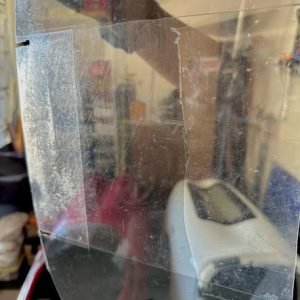
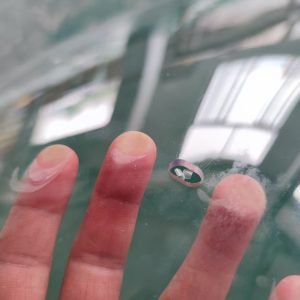
Coating Helps Address Key Windshield Concerns
Hard coating helps improve the surface durability of polycarbonate parts used in exposed viewing applications.
Cleaning and Handling Marks
Windshields are frequently cleaned, wiped, packed, installed, and handled. Surface protection helps reduce visible damage
Outdoor Visibility
Outdoor parts need to maintain a clear viewing surface under sunlight, rain, dust, and regular maintenance condition
The coating route must be reviewed according to curvature, forming depth, bend areas, and optical-zone requirements.
Project Validation
Testing and documentation needs depend on the vehicle type, target market, installation position, and final part design.
Forming Changes the Coating Decision
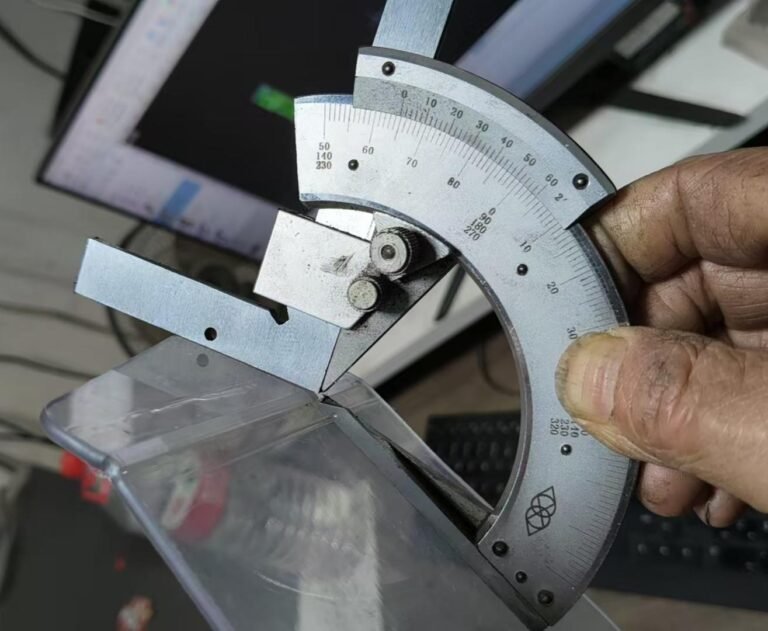
A flat coated sheet and a formed windshield are not reviewed in the same way. Once polycarbonate is bent, thermoformed, trimmed, drilled, or mounted, the final surface result depends not only on the coating itself, but also on how the part is shaped and finished.
For this reason, PlsTect reviews the windshield as a complete formed transparent part. The drawing, curvature, visible area, edge design, mounting positions, and expected use environment are considered together before recommending a material and coating route.
From Drawing to Route Review
For a new windshield project, the first question is not only “which coating is needed?” It is also “how will the part be formed, finished, and inspected after coating?”
Some projects may begin with coated polycarbonate sheet. Other projects may require a route reviewed around forming, trimming, coating sequence, or sample validation. The suitable direction depends on the part geometry, performance expectation, quantity, and final application.
This review helps reduce avoidable problems before production, especially when the project involves a defined optical zone, curved shape, mounting holes, edge finishing, or OEM/private-label supply requirements.
Product Forms We Can Review
Windshield projects may start from coated polycarbonate sheet, or move further into formed and finished part support. PlsTect reviews the suitable route according to the drawing, sample, coating requirement, forming geometry, quantity, and final use environment.
Coated Polycarbonate Sheet
For buyers who manage cutting, forming, or downstream windshield fabrication in their own process.
Formed Windshield Blanks
For projects that already require curved or shaped polycarbonate parts before final trimming or assembly.
CNC-Trimmed Windshield Panels
For drawing-based parts with defined edge profiles, mounting holes, slots, or other finishing details.
OEM / Private-Label Project Support
For windshield brands, vehicle accessory suppliers, or project buyers who need sample development, repeated supply, and coordinated coating + forming review.
The goal is not to force every project into the same route. PlsTect helps review whether the project should begin from coated sheet, formed blank, trimmed panel, or a more complete OEM/private-label development path.
Windshield OEM Projects at PlsTect
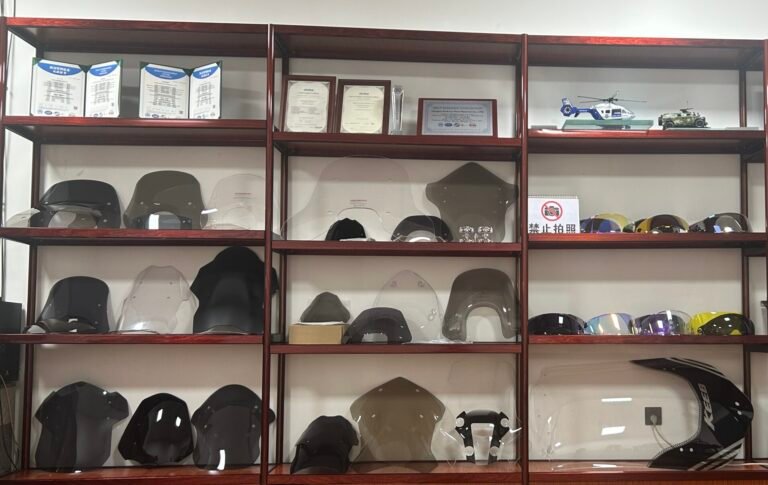
PlsTect’s windshield sample display reflects a range of project directions, including different shapes, sizes, surface looks, and forming styles developed around real customer needs.
These samples help support project discussion at an early stage, especially when buyers need to compare geometry, visible area, tint direction, mounting style, or overall part format before moving into sampling or production review.
Rather than treating every windshield as the same transparent part, PlsTect reviews each project according to its drawing, use environment, coating requirement, and forming direction.
Related Support At PlsTect
Use this when the project begins with overlapping requirements such as clarity, hardness, cleanability, forming, weather exposure, or processing compatibility.
Surface Solutions Page
Use When You Need
Better surface durability and cleaning resistance
Requirements for thermoforming, bending, or curved parts
Reduced dust attraction and static build-up
Clearer viewing in humid or condensation-prone areas
Lower visual discomfort under strong lighting
Reduced reflection and improved viewing clarity
Reduce fingerprint visibility, improve cleanability, and a cleaner surface
Better stability for outdoor or semi-outdoor exposure
Supporting Page
Issues We do Help
Match surface functions with real product and operating requirements
Help with material matching, processing review, and sample discussion
Information about validation, testing, process control, and repeatability
Send drawings, samples, surface problems, or project requirements
FAQ
Can PlsTect support custom motorcycle windshield project?
Yes. PlsTect can review custom motorcycle windshield and windscreen projects based on drawings, samples, target dimensions, material thickness, coating requirements, and expected use conditions. We can support coated sheet, formed blank, CNC-trimmed panel, and OEM/private-label development routes.
Do you supply finished windshields or only coated polycarbonate sheet?
Both routes can be reviewed. Some customers need coated polycarbonate sheet for their own fabrication process, while others need formed or CNC-trimmed windshield panels. The suitable route depends on the project drawing, forming geometry, quantity, and final part requirements.
Why is hard coating important for polycarbonate windshields?
Polycarbonate provides impact resistance, lower weight, and forming flexibility in many transparent-part applications. However, uncoated polycarbonate can be vulnerable to surface scratches and cleaning marks. A hard coating helps protect the visible surface and improve surface durability in practical windshield use.
Is hard-coated polycarbonate scratch-proof?
No transparent plastic surface should be described as scratch-proof. Hard coating helps improve scratch and abrasion resistance, but final performance depends on the coating system, use environment, cleaning method, handling, and project-specific validation.
Can the windshield be formed after coating?
The coating and forming route should be reviewed based on the part geometry and performance requirements. Some projects may begin from a coated sheet, while others may require a different route around forming, trimming, coating sequence, or sample validation.
Can you match a customer’s existing windshield sample?
PlsTect can review physical samples or drawings to evaluate shape, curvature, visible area, mounting holes, edge finishing, tint direction, and coating requirements. Sample matching depends on the original part design, material, forming feasibility, and required delivery form.
Can you provide tinted or colored windshield options?
Tint direction can be reviewed as part of the project. Common windshield discussions may include clear, smoke, gray, brown, or other visual directions, depending on material availability, coating compatibility, optical requirements, and final application.
Are PlsTect windshields DOT, ECE, or road-legal certified?
Regulatory and testing requirements depend on the vehicle type, target market, installation position, and final part design. PlsTect does not present this page as a general road-legal certification claim. Documentation and validation needs can be reviewed for customer-specific windshield projects.
What information should I provide for a windshield review?
Please share the drawing or sample, target size, thickness, curvature or forming depth, expected quantity, coating requirement, visible optical area, mounting holes, edge finishing, tint requirement, use environment, and any target testing or documentation requirements.
Do you support OEM or private-label windshield projects?
Yes. PlsTect can support OEM and private-label windshield projects where material selection, coating direction, forming geometry, trimming, sample development, and repeated supply requirements need to be reviewed together.
Start Your Project Review
Share your performance requirements, typically we will respond with recommendations.