

Thermoformable
Anti-Scratch Coating
Formable hard coating for polycarbonate sheets, windshields, windscreens, visors, and curved transparent parts that require scratch resistance, optical clarity, and weatherability.
PlsTect supports coated polycarbonate sheets and formed transparent parts where abrasion resistance, thermoforming, or bending requirements, material thickness, curvature, and optical areas must be reviewed before sampling.
Forming Changes the Coating Requirement
A conventional anti-scratch coating is developed to protect a finished surface from cleaning, handling, abrasion, and daily wear.
When the material must become a curved or formed part, the coating requirement changes. The coating must be reviewed together with thermoforming or bending requirements, material thickness, curvature, optical areas, and the intended finished part.
For this reason, “anti-scratch” alone is not enough to define the project. Drawings, application details, and the required delivery form help PlsTect identify the right coating and sampling direction before development begins.
Conventional Anti-Scratch
For flat sheets, finished panels, covers, windows, or parts where the coated surface does not need to go through a forming or bending process.
Typical focus:
- scratch resistance
- abrasion resistance
- cleaning durability
- optical appearance
- finished-surface protection
Thermoformable Anti-Scratch
For polycarbonate sheets and transparent parts that require scratch resistance while also meeting thermoforming, bending, or curved-part requirements.
Typical focus:
- coating stability on formed parts
- adhesion after shaping
- clarity in optical areas
- surface integrity through curved areas
- finished-part appearance
Start with the Intended Part
Even if your request begins with coated sheet samples, the intended windshield, windscreen, visor, cover, or curved part helps us understand whether conventional or formable anti-scratch performance is required.
Curved Parts Still Need Clear Visibility
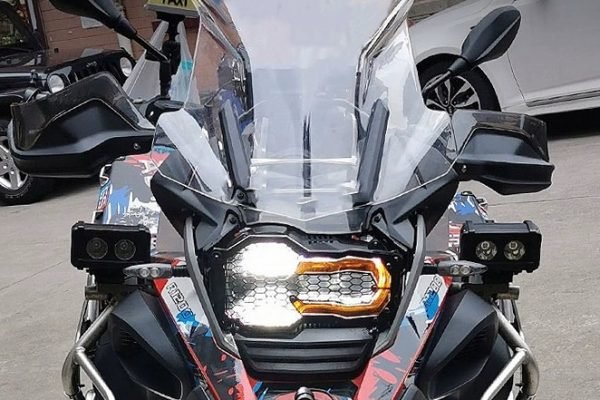
Formed transparent parts are often used where visibility, protection, and appearance must work together. Motorcycle windshields, scooter windscreens, visors, canopies, and curved covers are exposed to dust, road debris, repeated cleaning, handling, and outdoor conditions.
Fine scratches may not break the part, but they can reduce optical clarity, create haze, increase glare, and make the product look aged before the material itself has failed.
For hard-coated polycarbonate and other transparent plastic parts, scratch resistance must be considered alongside abrasion resistance, weatherability, cleaning exposure, optical areas, and the finished part’s curved shape.
Road Debris and Dust
Repeated Cleaning
Optical Clarity
Outdoor Exposure
Forming Requirements Must Be Reviewed Early
For hard-coated polycarbonate, forming requirements should be reviewed before samples are confirmed. A part used as a windshield, windscreen, curved window, canopy, visor, or curved cover may involve thermoforming, heat bending, soft-radius bending, or other shaping steps.
Material thickness, curvature, forming depth, bend areas, and optical zones can all affect whether the selected coating direction is suitable for the intended part.
Please review these details before confirming the samples, especially when the request is limited to “anti-scratch polycarbonate.”
Curvature & Forming Depth
Soft curves, deeper-formed profiles, and wraparound shapes place different demands on hard-coated polycarbonate.
Bend Areas
Review coating integrity and appearance in higher-stretch areas.
Optical Zones
Review clarity, haze and visible distortion in the main viewing area.
Trimmed and Drilled Areas
Review edges, mounting holes and areas affected by secondary processing.
Finished-Part Appearance
Review the formed component after heating, trimming, handling, and installation.
The earlier these forming or bending requirements are reviewed, the easier it is to avoid incorrect samples and align the coating direction with the intended part.
Built Around Motorcycle Windshields
Motorcycle windshields and scooter windscreens are key applications for formable hard-coated polycarbonate. They require more than basic scratch resistance: the finished part must combine curved shape, clear visibility, outdoor weatherability, repeated cleaning resistance, and long-term surface appearance.
These parts may also include trimming, mounting holes, edge areas, wraparound curves, and optical viewing zones. Each of these details can affect how the anti-scratch coating requirement should be reviewed before sampling.
PlsTect’s thermoformable anti-scratch coating solution is closely connected with windshield and windscreen projects, not only flat coated sheets. We review the intended part, drawing, material thickness, curvature, forming or bending requirement, and application environment before confirming the coating and sample direction.
Curvature & Forming Depth
Windshields and windscreens must keep clear viewing areas while following the required curved shape.
Road and Outdoor Exposure
Dust, road debris, UV, moisture, and temperature changes increase the need for abrasion resistance and weatherability.
Repeated Cleaning
Motorcycle windshields are frequently wiped and cleaned, making surface durability important for long-term appearance.
Part-Level Details
Mounting holes, edge trimming, wraparound depth, and optical zones should be reviewed before samples are confirmed.
Windshield and windscreen experience helps PlsTect review other curved transparent parts, including curved windows, canopies, visors, protective covers, and formed polycarbonate panels.
Performance Areas We Review
For thermoformable anti-scratch coating projects, performance should not be reviewed only as flat-sheet surface hardness. The intended formed part, application environment, and delivery form all affect what should be checked before the sample direction is confirmed.
PlsTect reviews the coating requirement around scratch resistance, abrasion resistance, optical clarity, adhesion, weatherability, cleaning exposure, and finished-part appearance.
For windshields, windscreens, curved windows, canopies, visors, and other curved transparent parts, the goal is not only a harder surface, but a clear and durable part that remains suitable for its real use environment.
Scratch & Abrasion Resistance
For handling, cleaning, road dust, surface wear, and daily-use contact.
Adhesion & Surface Integrity
For coated polycarbonate parts that must remain visually stable through forming, bending, trimming, or installation.
Weatherability
For outdoor windshields, windscreens, canopies, and vehicle glazing exposed to UV, moisture, and temperature changes.
Cleaning Resistance
For parts that are wiped, washed, or cleaned repeatedly during service life.
Finished-Part Appearance
For coated polycarbonate parts that must remain visually stable through forming, bending, trimming, or installation.
The exact review items depend on the application, drawing, material thickness, forming or bending requirement, and expected delivery form.
From Coated Sheet to Curved Transparent Part
PlsTect supports thermoformable anti-scratch coating projects in different product forms, from hard-coated polycarbonate sheets to formed transparent parts.
Depending on the application, the project may begin with coated sheet samples, cut blanks, forming trials, windshield samples, curved covers, visors, canopies, or custom-formed polycarbonate parts.
For OEM and fabrication projects, PlsTect can support material selection, coating requirement review, drawing review, sample preparation, forming or bending trial discussion, and finished-part evaluation before production direction is confirmed.
Product Forms
Hard-Coated Polycarbonate Sheets
For projects that begin with coated sheet selection before cutting, forming, bending, or further fabrication.
Coated Blanks for Forming Trials
Cut-to-size blanks prepared for customer forming tests, windshield trials, or curved-part development.
Formed Transparent Parts
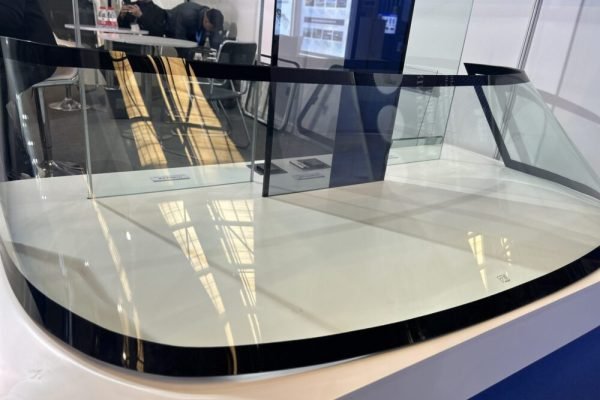
Curved polycarbonate parts developed for windshields, windscreens, canopies, visors, covers, windows, and other transparent applications.
Windshield and Windscreen Samples
Prototype support for motorcycle windshields, scooter windscreens, and similar formed polycarbonate parts.
Project Support
Drawing Review
Review of part shape, material thickness, curvature, bend areas, mounting zones, and optical areas.
Sample Direction
Sample preparation based on application, delivery form, coating requirement, and forming or bending conditions.
OEM Development Support
Support for coated sheets, formed samples, custom transparent parts, and production discussion.
Windshield and Windscreen Samples
Prototype support for motorcycle windshields, scooter windscreens, and similar formed polycarbonate parts.
Whether the project starts from a coated sheet request or a finished windshield drawing, PlsTect reviews the intended part before confirming the most suitable sample direction.
Typically Applied to
Related Support at PlsTect
Surface Solutions Page
Use When You Need
Better surface durability and cleaning resistance
Reduced dust attraction and static build-up
Clearer viewing in humid or condensation-prone areas
Lower visual discomfort under strong lighting
Reduced reflection and improved viewing clarity
Better stability for outdoor or semi-outdoor exposure
Supporting Page
Related Project Support
Help with material matching, processing review, and sample discussion
Information about validation, testing, process control, and repeatability
Send drawings, samples, surface problems, or project requirements
FAQ
Is thermoformable anti-scratch coating the same as regular anti-scratch coating?
No. Regular anti-scratch coating is mainly selected for finished flat sheets, panels, covers, or windows. Thermoformable anti-scratch coating is used when hard-coated polycarbonate must also meet forming, bending, or curved-part requirements.
This is why PlsTect reviews the intended part, drawing, material thickness, curvature, and application before confirming samples.
What parts are suitable for this solution?
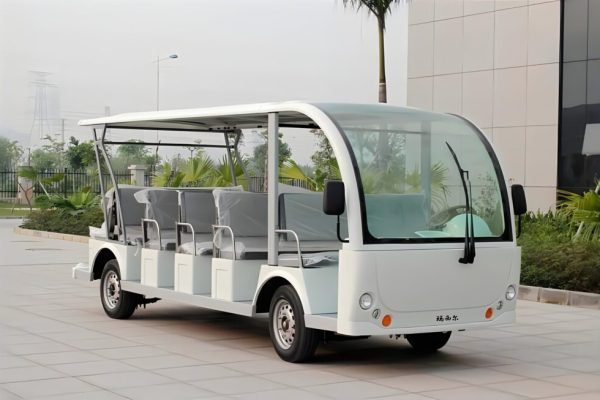
This solution is commonly used for windshields, windscreens, curved windows, canopies, visors, protective covers, formed polycarbonate panels, and other curved transparent parts.
The final sample direction depends on part shape, material thickness, forming or bending requirement, optical areas, and end-use conditions.
Can all hard-coated polycarbonate be thermoformed or bent?
No. Hard-coated polycarbonate should not be assumed to fit every forming or bending condition. Curvature, forming depth, bend areas, soft-radius shapes, local transitions, and optical zones should be reviewed before sampling.
For complex parts, PlsTect reviews the drawing and application first before confirming the suitable coating and processing direction.
Do I need to provide a drawing before sampling?
A drawing is strongly recommended. Even if the request starts with coated sheet samples, the intended windshield, windscreen, visor, canopy, curved window, or formed part helps PlsTect understand whether conventional or formable anti-scratch performance is required.
Useful information includes material, thickness, curvature, forming or bending requirement, optical areas, application, and expected delivery form.
Can PlsTect support finished parts, not only coated sheets?
Yes. PlsTect can support hard-coated polycarbonate sheets, coated blanks, forming trial samples, windshield and windscreen prototypes, curved covers, visors, canopies, and custom-formed transparent parts, depending on project requirements.
Is this solution mainly for motorcycle windshields?
Motorcycle windshields and scooter windscreens are key applications for PlsTect’s thermoformable anti-scratch coating direction. The same review logic can also support curved windows, canopies, visors, protective covers, and other formed transparent polycarbonate parts.
Start with Your Part Drawing
Share your end-use product requirements. Typically, we will respond with recommendations.