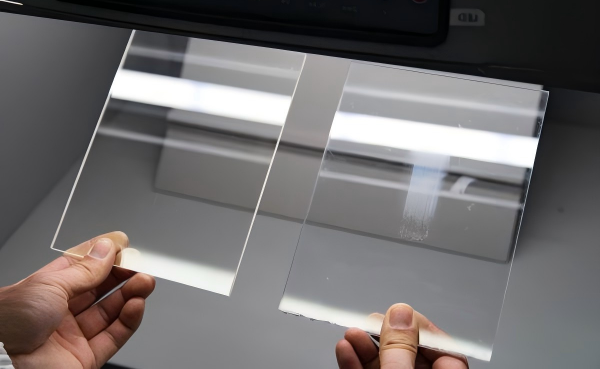
When Scratch Resistance Becomes a Critical Engineering Challenge?
Surface damage is one of the most common failure modes for plastic and glass components used in industrial and consumer products. Scratches not only affect appearance but also reduce optical performance, structural reliability, and perceived product quality.
Common engineering challenges include:
Surface damage during transportation, assembly, or daily use
Optical haze increase after abrasion
Short product lifecycle and warranty risks
Poor adhesion between coating and substrate
Inconsistent performance during mass production
Performance Targets We Commonly Achieve
Abrasion Resistance
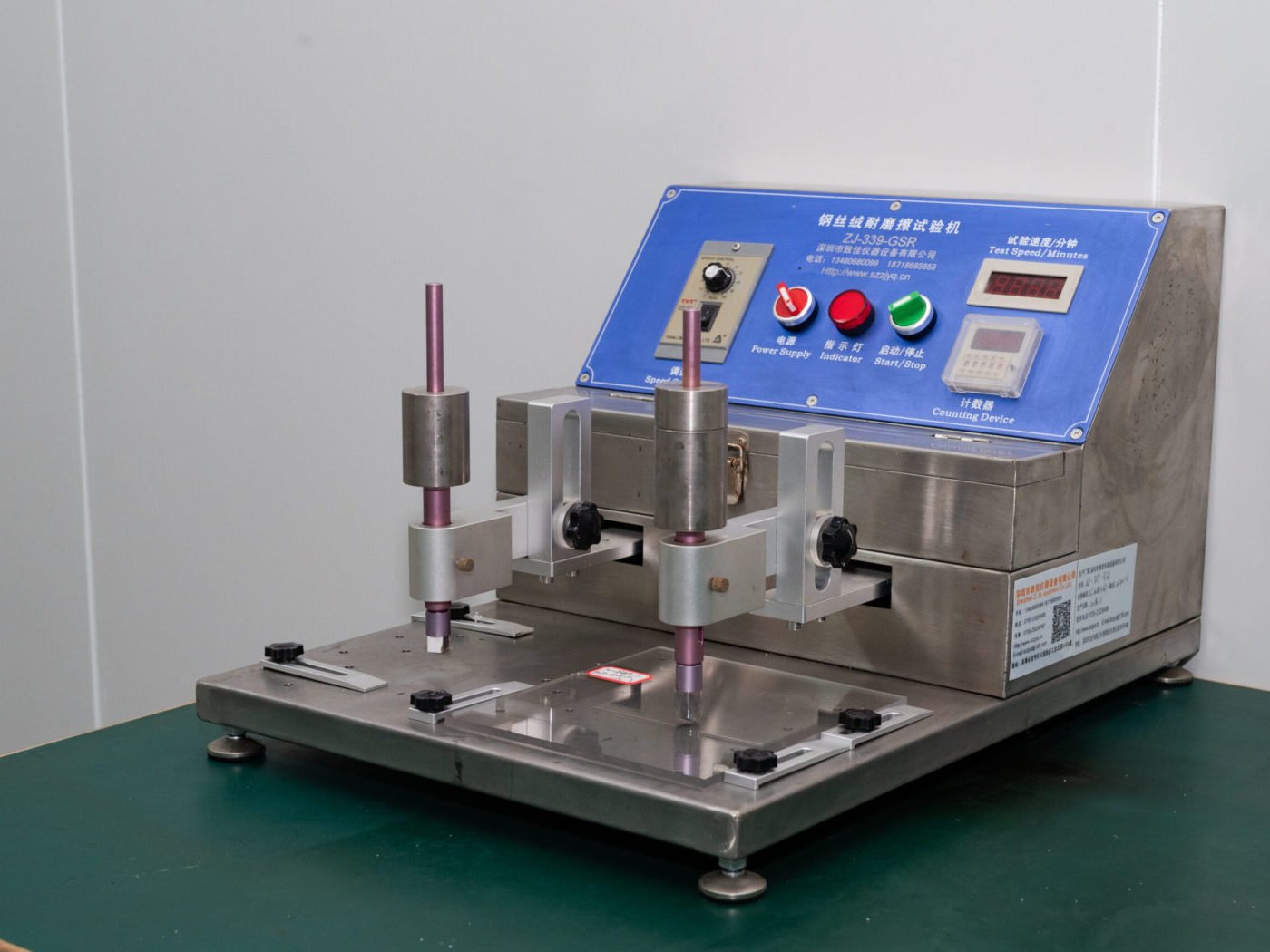
Typical Range: ΔHaze 2–5% Test Method: ASTM D1044 (Taber)
Pencil Hardness
Typical Range: 2H-6H Test Method: ASTM D3363
Adhesion
Typical Range: 5B Test Method: ASTM D3359
Light Transmission
Typical Range: >90% Test Method: Optical Measurement
Properity
Typical Range
Test Method
Abrasion Resistance
Haze 2~%
ASTM D1044(Taber)
Pencil Hardness
2-6H
ASTM D3363
Adhension
5B
ASTM D3359
Lighting Transmission
Higher Than Uncoated
Optical Measurement
Chemical Resistance
Customizable
Application Dependent
* Performance results depend on substrate type, coating thickness, geometry, and operating environment.
Coating Technologies
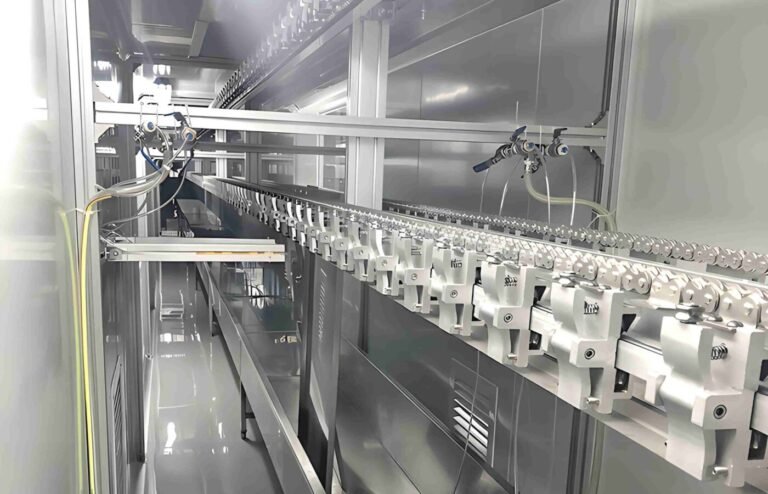
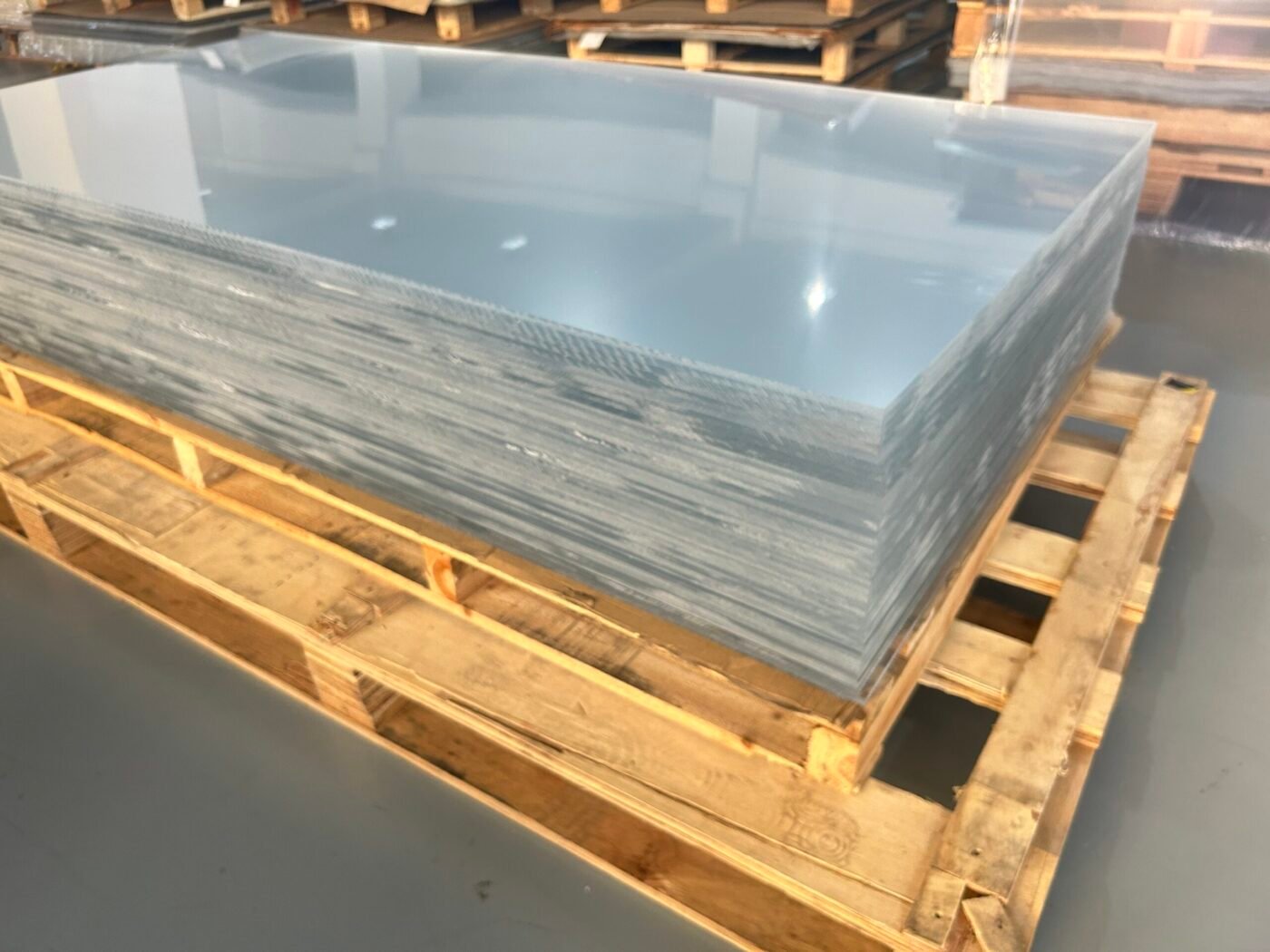
We support both flat sheets and formed components, enabling coating integration across different manufacturing stages.
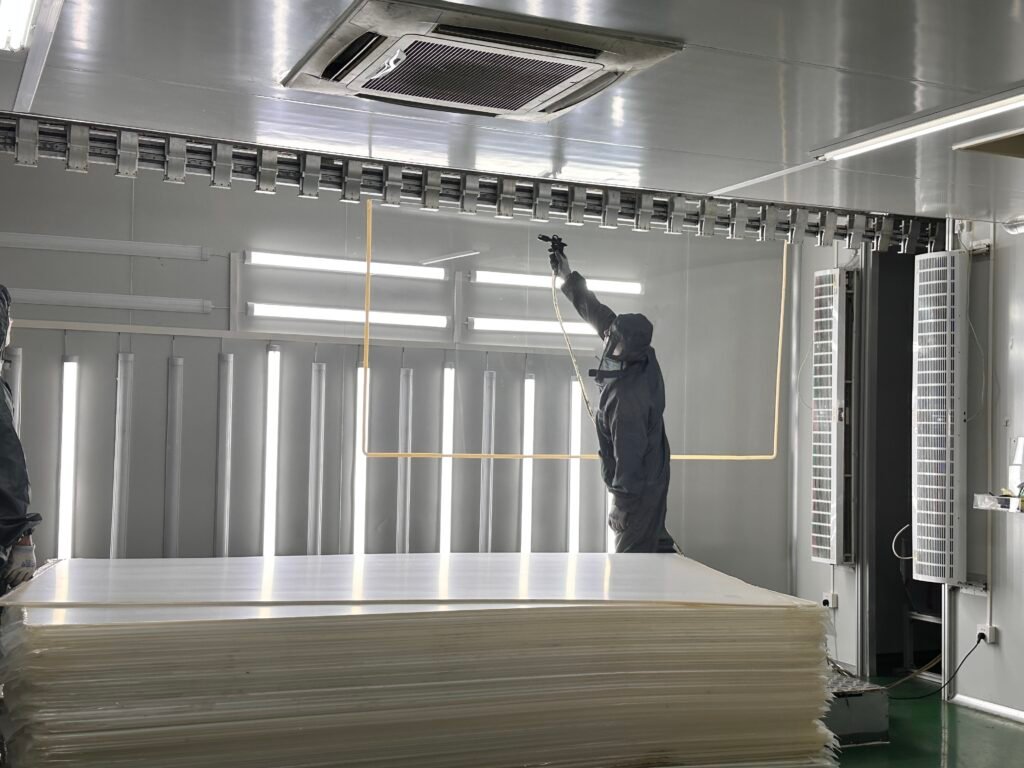
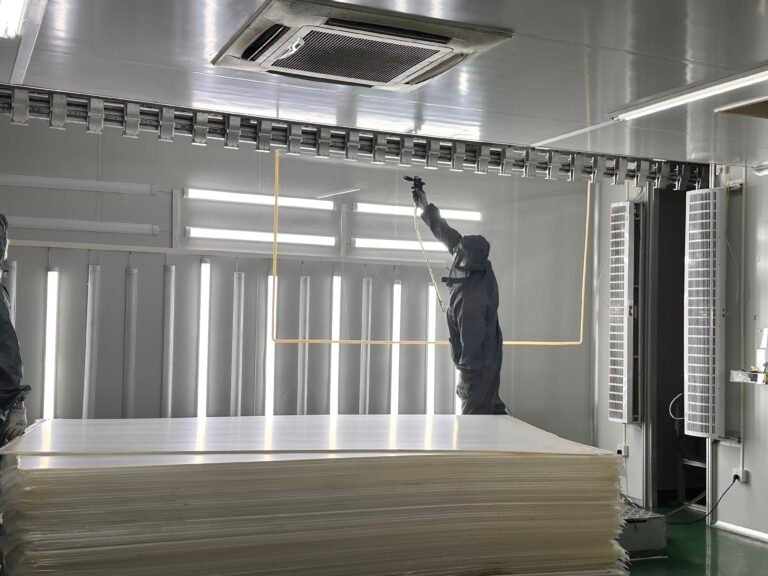
Spray coating
Dip coating
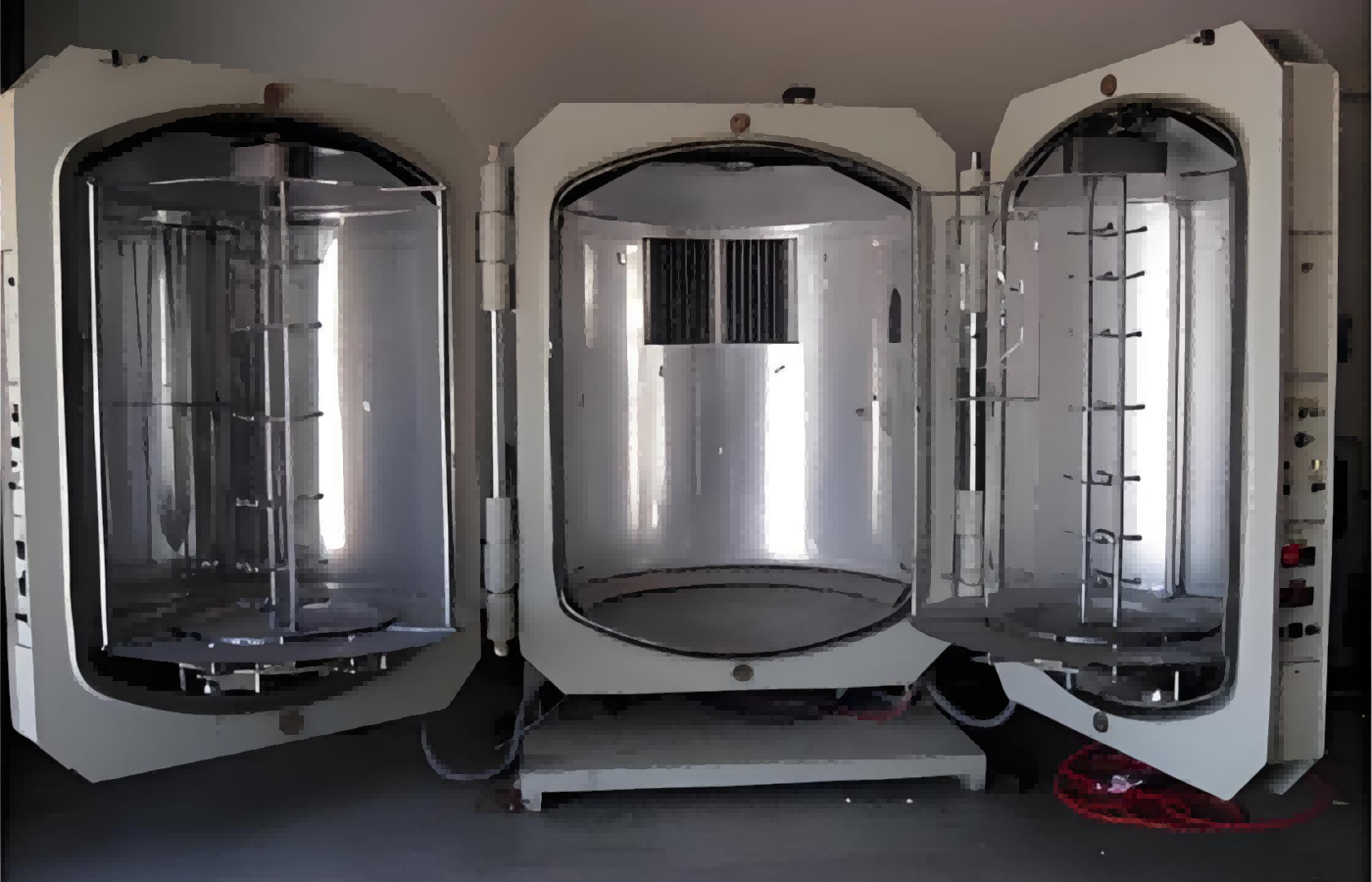
PVD coating
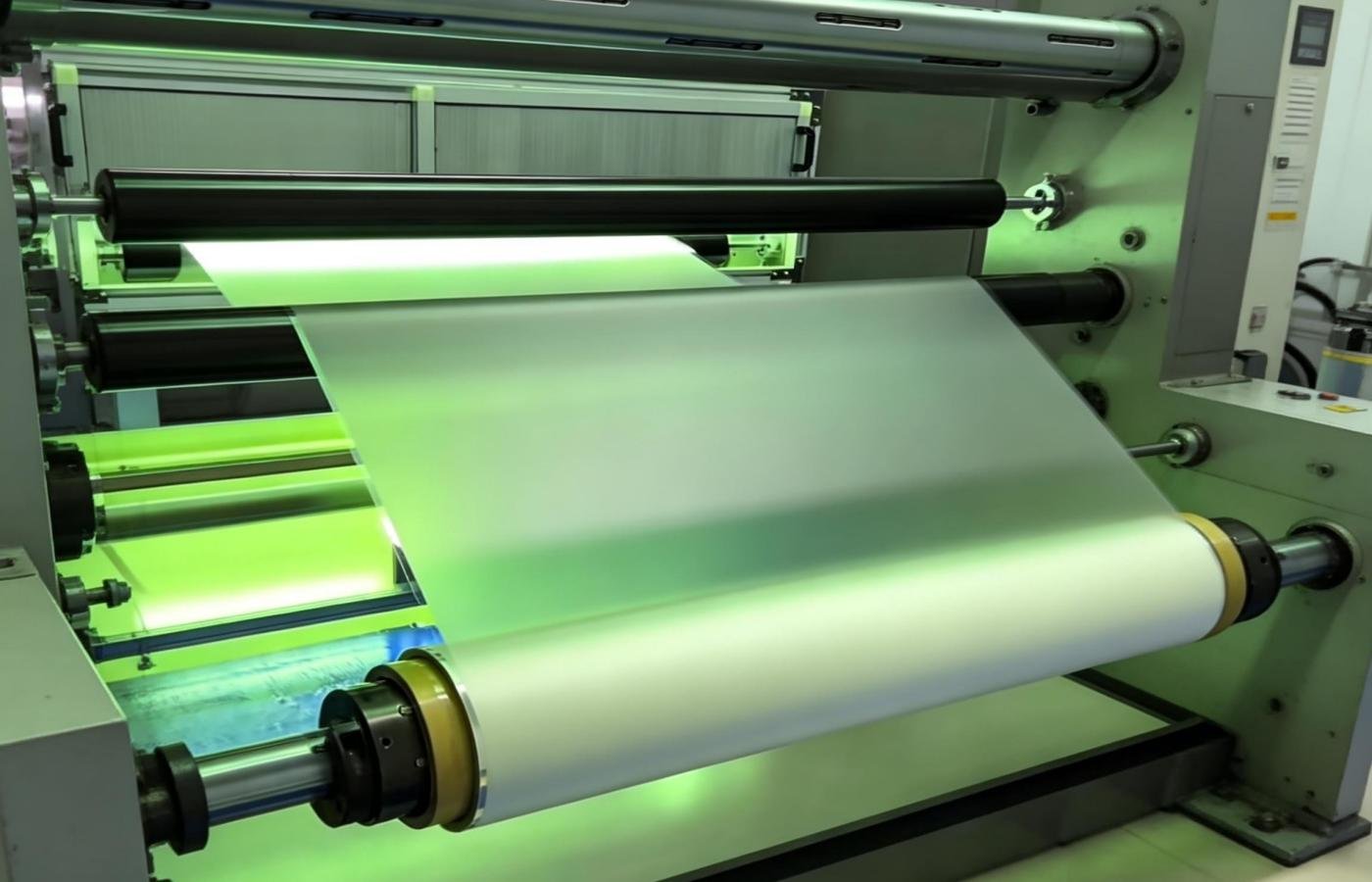
Roll-to-Roll coating
Compatible Materials
PlsTect anti-scratch systems are optimized for multiple substrates:
Polycarbonate (PC)
Acrylic (PMMA)
PET
PVC
ABS
Glass
Surface preparation and primer systems are engineered for each material to ensure adhesion stability and long-term durability.
Typical Applications
PlsTect anti-scratch coatings are widely used across industries where surface durability and optical clarity are critical.
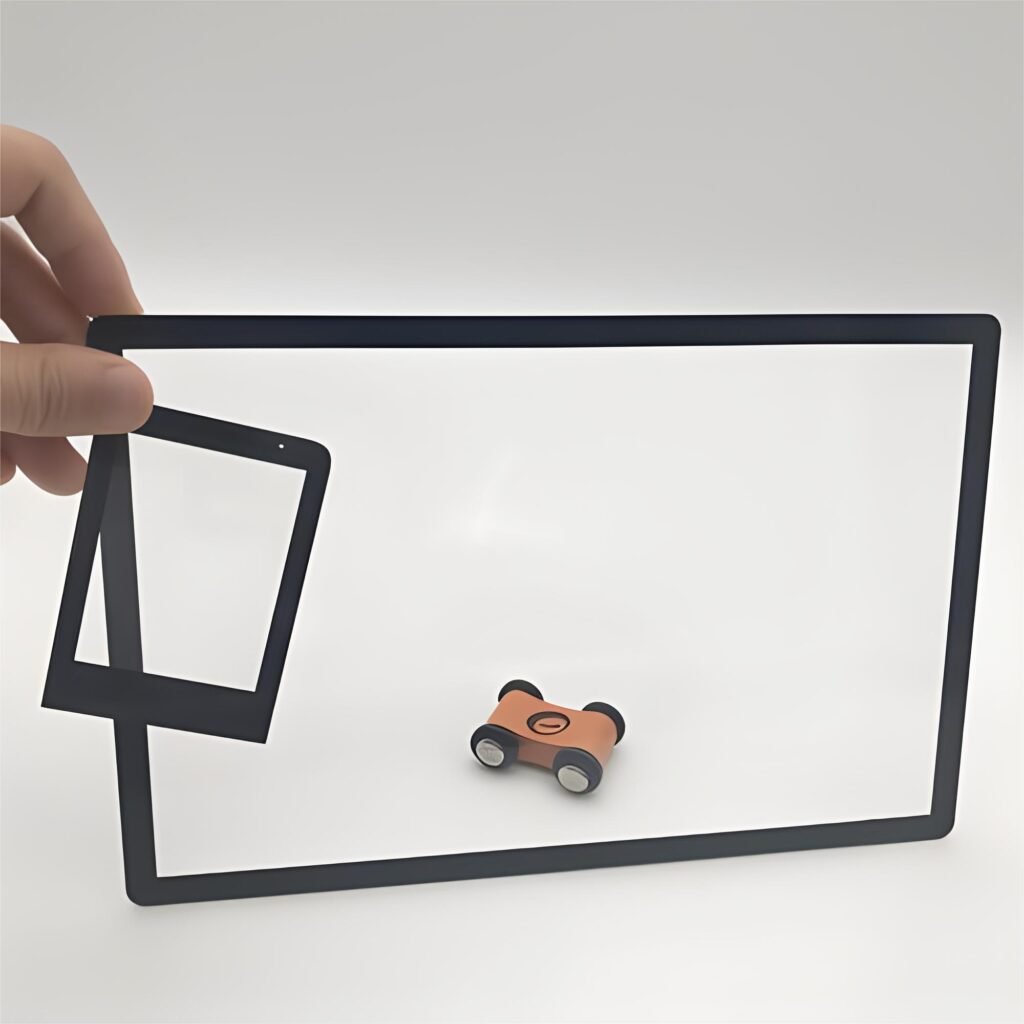
Display Covers & Touch Panels
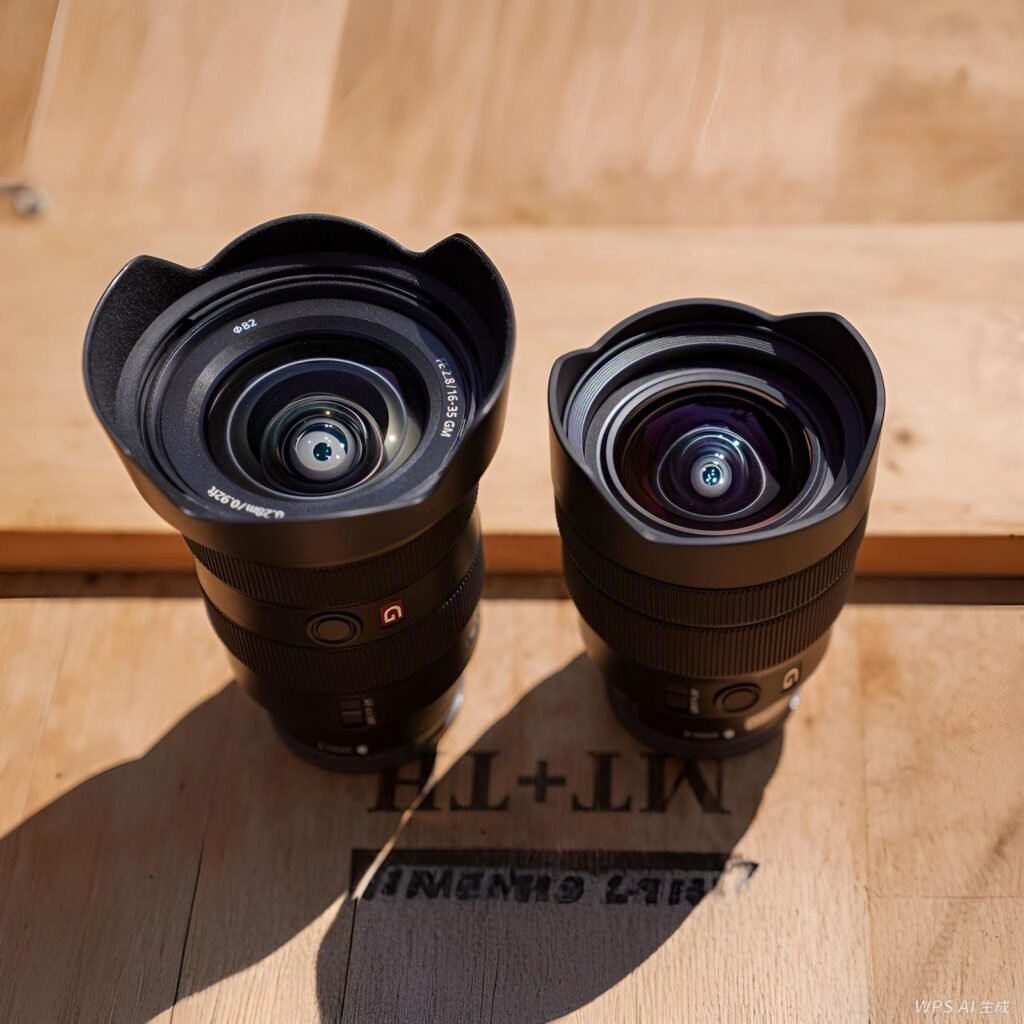
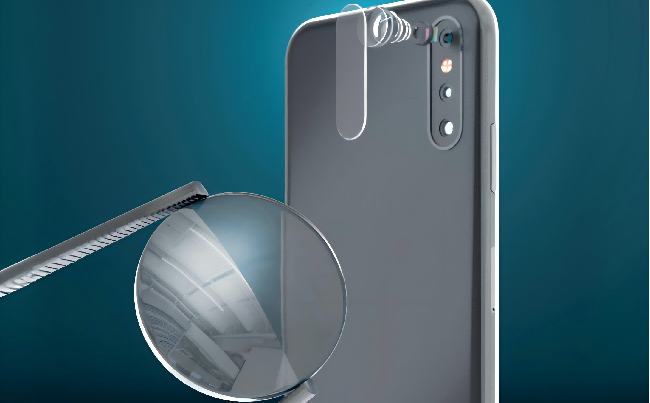
Optical Windows & lenses
Industrial equipment panels
Automotive Interior Panels
Medical Equipment Sreens
Consumer Product Surfaces
Engineering Quality Control System
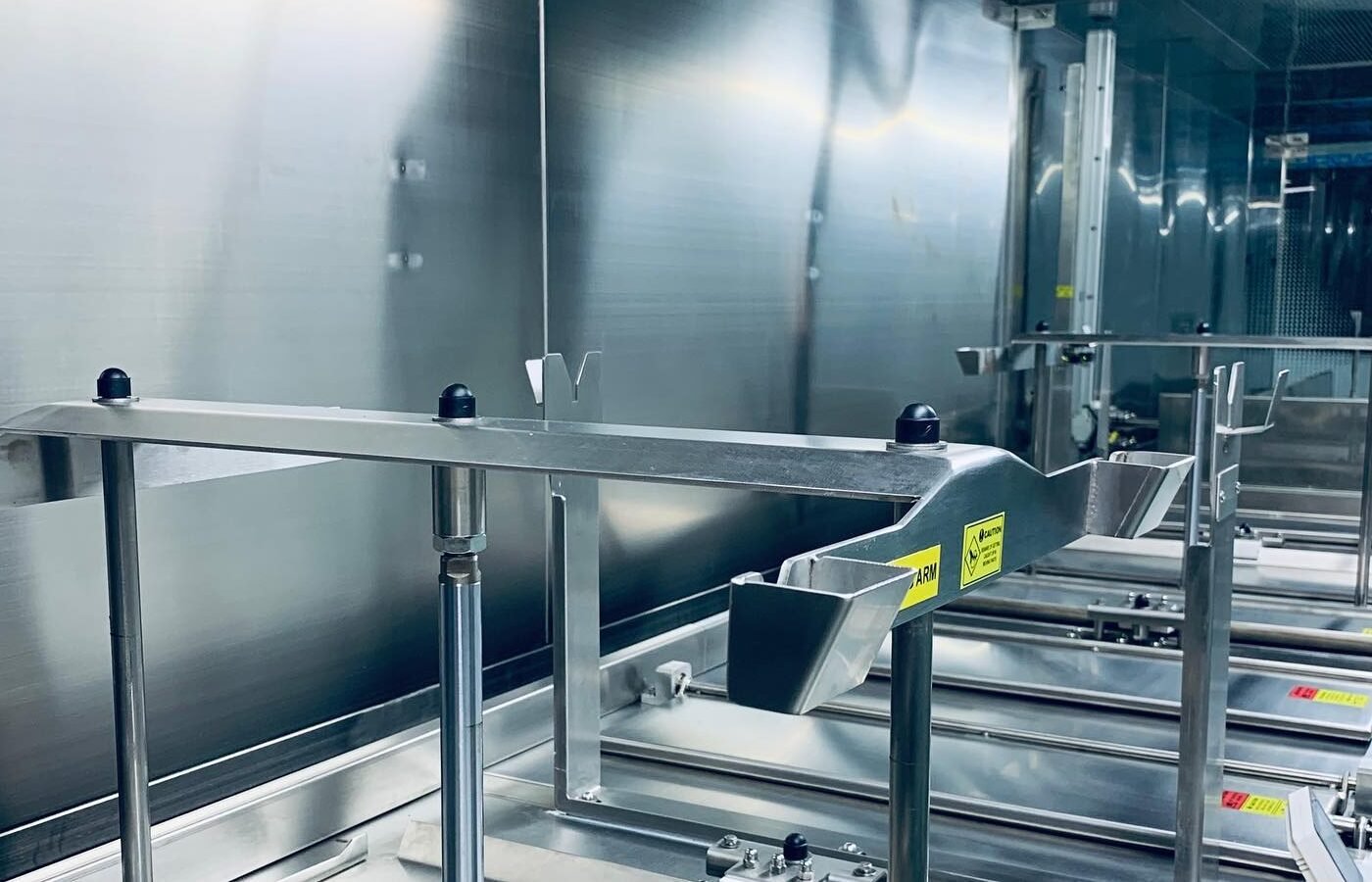
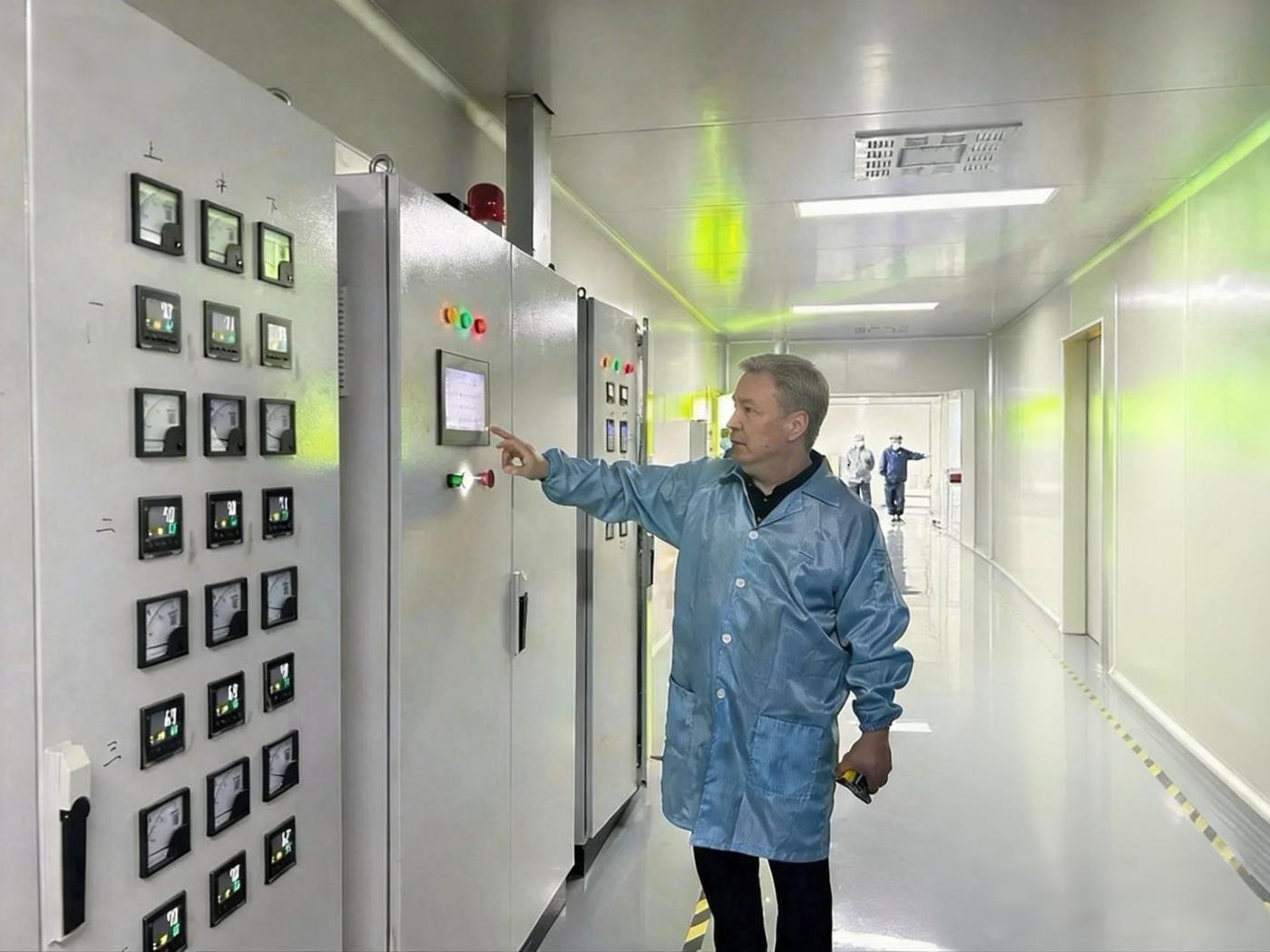
Achieving high scratch resistance requires not only coating chemistry but also precise process control.PlsTect production systems are designed to ensure repeatable performance from prototype to mass production.
Key control factors include:
Controlled coating environment
Thickness consistency management
Adhesion verification protocols
Batch-to-batch repeatability control
Optical and surface inspection procedures
Surface Preparation
Material surfaces are cleaned and prepared using controlled procedures to ensure optimal coating adhesion and consistency.
Coating Control
Coating thickness, viscosity, and environmental conditions are carefully monitored to maintain uniform performance across batches.
Curing Process
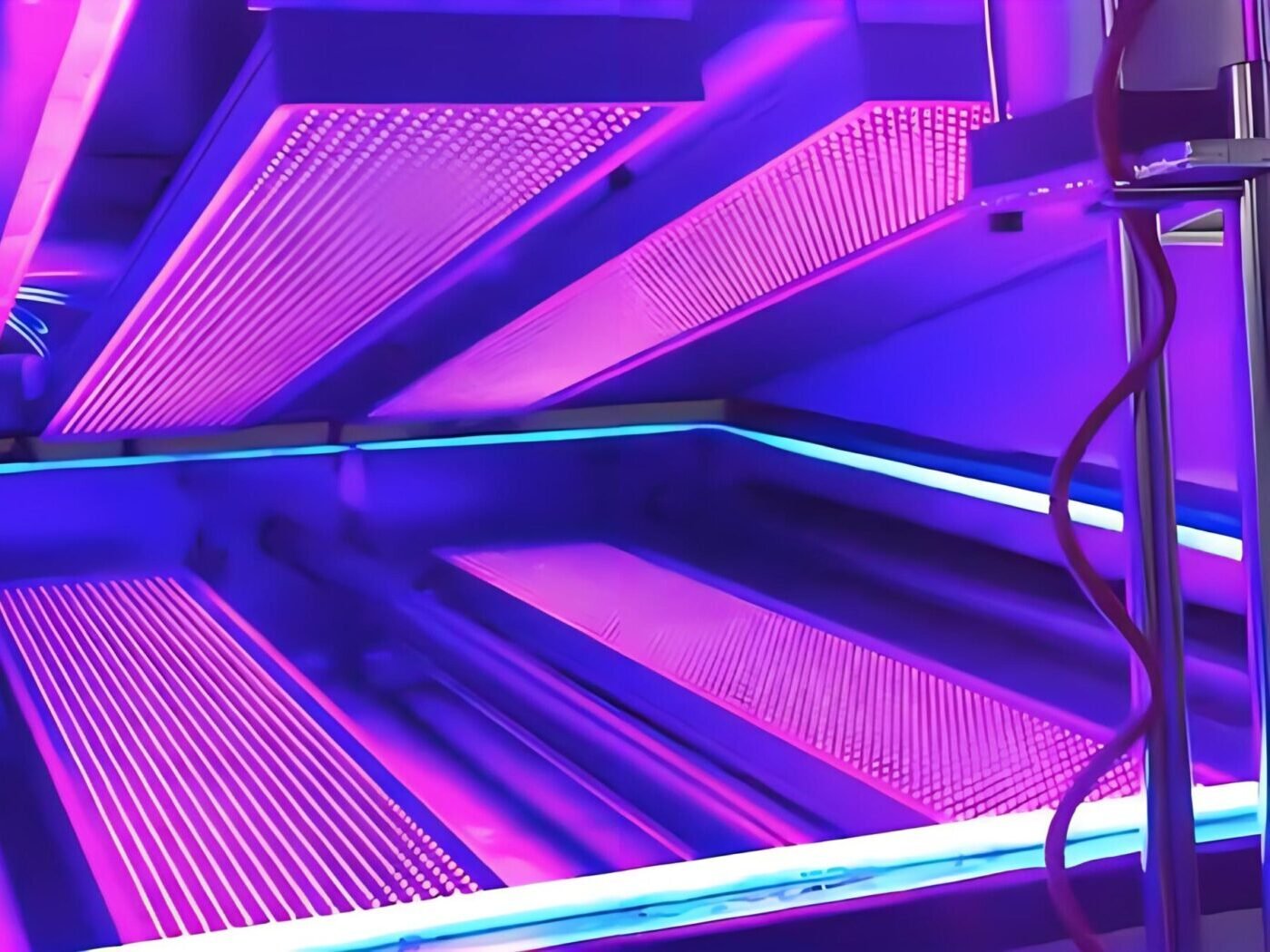
UV or thermal curing parameters are optimized to achieve the required hardness, adhesion, and durability.
Inspection
Samples undergo optical inspection and performance testing to confirm compliance with project specifications.
Consistency Control
Production batches are monitored to ensure repeatability, traceability, and long-term performance reliability.
*From initial sampling to full-scale production, coating performance remains stable and predictable.
Project Development Workflow
From concept definition to mass production implementation.
A structured engineering workflow ensures efficient development, performance validation, and reliable production implementation.
Requirements
Specifications and performance targets
Selection
Coating system definition
Sampling
Sample preparation for evaluation
Validation
Performance testing and confirmation
Pilot Study
Process stability verification
Production
Mass manufacturing implementation
* Early-stage technical communication significantly reduces development risk and timeline.
Technical answers about anti-scratch coating performance, compatibility, and production implementation.
What level of scratch or abrasion resistance can you achieve?
Abrasion resistance depends on substrate type and coating system. Typical performance ranges from Haze 2–5% under ASTM D1044 Taber testing conditions. Specific targets can be optimized based on application requirements and operating environments.
Can the coating be applied to formed or curved parts?
Yes. Coating processes can be adapted depending on part geometry, dimensions, and production volume. Both flat sheets and formed components are supported, including thermoformed parts in many cases.
Will the coating affect optical clarity or transparency?
PlsTect coating systems are engineered to maintain high transparency and optical quality. Optical performance is evaluated during development to ensure compliance with project requirements such as transmission and haze.
How do you ensure coating adhesion to different materials?
Surface preparation methods, primer systems, and curing parameters are optimized for each substrate. Adhesion testing is performed to confirm long-term durability and stability.
Can the coating be customized for outdoor or chemical exposure?
Yes. Formulations can be adjusted according to environmental conditions such as UV exposure, humidity, temperature variation, or cleaning chemicals to ensure long-term performance.
However, the above conditions apply only to virgin material substrates, without any co-extruded layers or other films on the surface.
What information is needed to start a project?
Typically we require:
Material type (PC, PMMA, PET, ABS,glass, etc.)
Dimensions or drawings
Application environment
Performance targets
Expected production volume
This information allows us to recommend an appropriate coating solution efficiently.
What is the typical lead time for samples?
Sample preparation generally takes 1–3 weeks depending on coating complexity, testing requirements, and part geometry.
Do you support mass production?
Yes. PlsTect coating systems are designed with scalability and batch consistency control to support pilot production as well as full-scale manufacturing.
Does coating thickness affect performance?
Yes. Coating thickness can influence abrasion resistance, optical properties, and durability. Thickness is optimized during development based on performance requirements and substrate characteristics.
Can coating be applied to both sides of the material?
Yes. Single-side or double-side coating configurations can be implemented depending on functional requirements and application conditions.
What Customers Achieved with PlsTect
Discover how our anti-scratch coatings have transformed our customers’ experiences.
“The coating significantly improved scratch resistance compared with our previous material. Production integration was smooth, and the optical clarity met our requirements.”
Application Engineer
Electronics Brand
Procurement Manager, Processing Company